Israel pushes farther into Lebanon after castle seizure
Israel's move beyond Beaufort Castle raises fresh risks for Lebanon's ceasefire, with potential spillovers for travel, workers and oil routes.
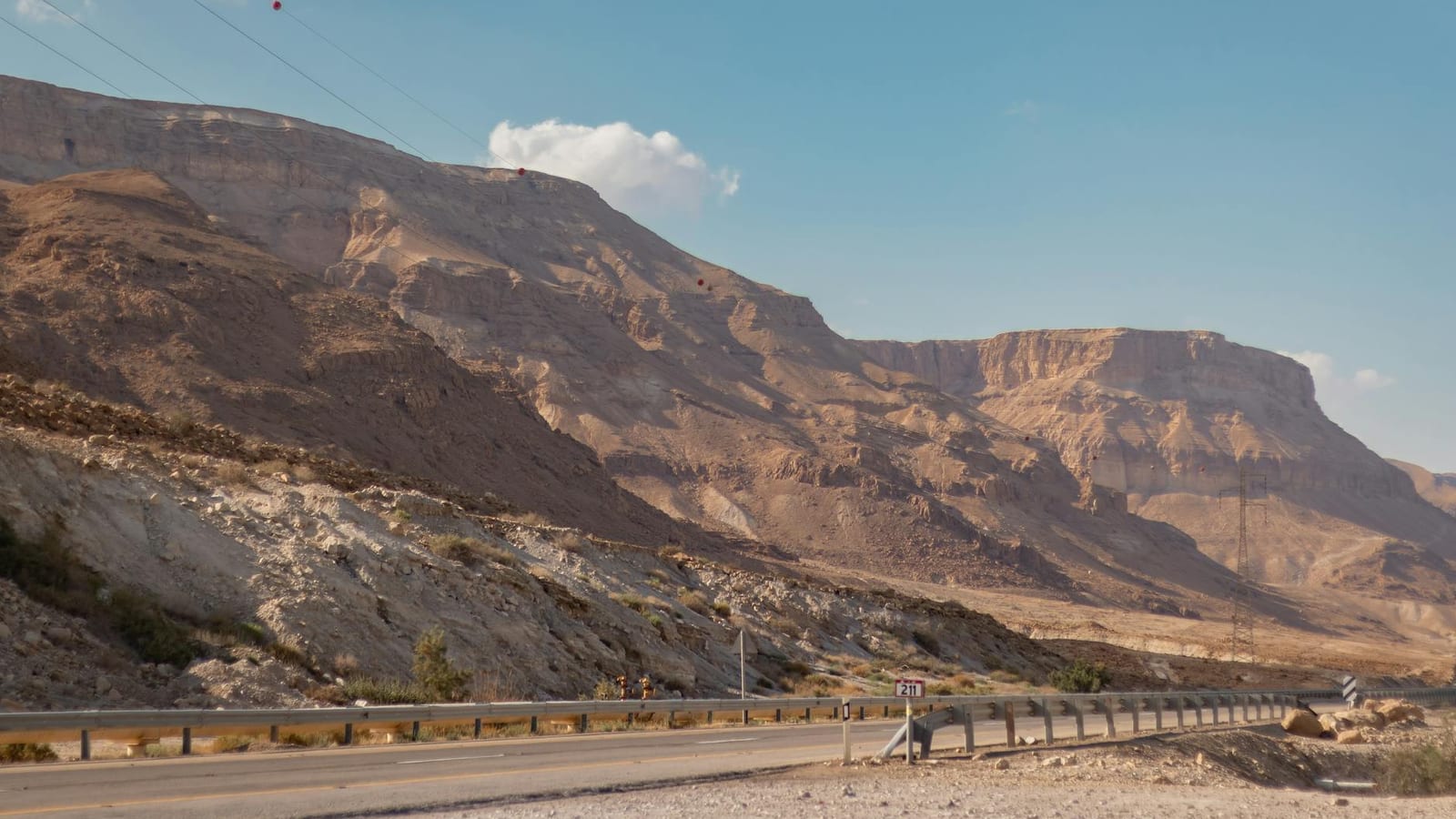
A 900-year-old castle has suddenly become a modern military prize in southern Lebanon.
For travellers, workers, and families watching the Middle East from India, that sounds distant. It is not. When fighting spreads near borders, airports, oil routes, and work corridors feel it quickly.
Benjamin Netanyahu has ordered Israeli troops to push deeper into Lebanon, after the military seized Beaufort Castle and the ridge around it. The move comes despite a ceasefire announced more than six weeks ago.
Why Beaufort Castle matters
Beaufort Castle is not just an old stone fort on a hill. It sits above southern Lebanon, with a view across key valleys, villages, and northern Israel.
That is why armies have cared about it for decades. Israel last held the site before its 2000 withdrawal from southern Lebanon, after an 18-year presence there.
The Israeli military said troops now control the Beaufort Ridge and the Wadi al-Saluki area. It says Hezbollah used the ridge to fire rockets and drones towards Israeli homes and soldiers.
In simple terms, height matters in war. A ridge gives soldiers better sight, better firing positions, and better control over movement below.
For civilians, that same geography brings danger. Villages near such positions often face evacuation orders, airstrikes, road closures, and sudden shortages.
The ceasefire looks fragile
The April ceasefire has not stopped the fighting. Israeli troops and Hezbollah have kept exchanging fire across the border.
Netanyahu said he told the military to expand its ground operation in Lebanon. He said Israel wants to deepen its hold over areas once controlled by Hezbollah.
Israel’s Defence Minister Israel Katz said troops would retain Beaufort as part of a southern Lebanon security zone. He also said the campaign had not ended.
Lebanon’s government says more than 3,370 people have died during the incursion. Israel says 24 soldiers and four civilians have been killed over the same period.
The human cost runs beyond those numbers. More than 1.2 million Lebanese have been displaced since March 2, when Hezbollah began firing rockets and drones into Israel.
Tens of thousands of Israelis in the north have also left their homes. Schools closed after heavy Hezbollah fire towards northern Israel.
France has called for an emergency meeting of the United Nations Security Council. That tells you how nervous governments now are about this front widening again.
Rivers now mark the risk
Two river lines explain the latest military push. Israel already controlled territory up to the Litani River, inside Lebanon.
Now Israeli troops are pushing towards the Zaharani River, about 10 km farther north. That may sound like a small distance on a map. For people living there, it changes everything.
The Israeli military issued an evacuation warning for residents south of the Zaharani. Lebanese state media said eight people died after overnight airstrikes hit Deir El Zahrani.
Lebanese security sources and state media reported more than 40 Israeli strikes across southern Lebanon on Sunday.
These places are not abstract points. They are roads, farms, homes, shops, and schools. Once a river becomes a military marker, civilian life shrinks around it.
A family may stop sending children to school. A shopkeeper may shut early. A driver may refuse a road that was normal last week.
This is how conflict enters daily life. It does not always arrive as one dramatic event. Often, it comes as one cancelled trip, one empty shelf, one unsafe route.
What Indians should watch
For Indian travellers, Lebanon is not a mass-market holiday destination like Dubai or Bangkok. Still, the wider region matters deeply to India.
Many Indians work across West Asia. Many more fly through Gulf hubs to Europe, Africa, and North America. Any widening conflict can affect routes, schedules, and fares.
Airlines usually avoid active conflict zones. That can mean longer flight paths, extra fuel burn, and tighter aircraft planning.
Travellers may not see the battlefield. They may still see delayed connections, costlier tickets, or stricter transit advice.
Oil is another link. West Asia sits close to key energy routes. Even when supply continues, fear itself can move prices.
For Indian households, that can show up later in petrol, diesel, aviation fuel, and shipping costs. A conflict abroad can quietly raise the cost of moving goods at home.
Tour operators also become cautious. A group planning Jordan, Egypt, Israel, or wider Mediterranean travel may face fresh questions.
Is the route insured? Are flights refundable? Does the policy cover conflict-linked disruption? These dull questions matter when headlines change daily.
Young professionals booking budget trips should also watch cancellation terms. Cheap fares often come with strict rules. In tense periods, flexibility has real value.
Indian workers in the region face a different worry. They may not be tourists with return tickets. They may have jobs, housing, contracts, and families depending on remittances.
When conflict spreads, ordinary workers often carry the heaviest uncertainty. They must keep earning while deciding when risk becomes too high.
Politics is driving the battlefield
The military story also has a political layer. Netanyahu faces pressure at home, and rivals want tougher action against Hezbollah.
Naftali Bennett, one of his challengers, has called for stronger steps in Lebanon, including strikes near Beirut’s suburbs.
That matters because military decisions rarely happen in a vacuum. Leaders weigh security, public anger, elections, and pressure from allies.
Hezbollah has also changed the battlefield with cheap attack drones. These weapons are hard for air defences to stop every time.
A drone does not need the cost or complexity of a missile. That makes repeated attacks easier and more unpredictable.
The US recently hosted Israeli and Lebanese defence representatives in Washington. The goal was to push a peace plan and disarm Hezbollah.
On May 15, both sides agreed to extend the ceasefire by 45 days. The latest fighting shows how thin that arrangement now looks.
For now, Beaufort Castle is more than a medieval landmark. It has become a signal.
Israel wants to show it can push Hezbollah back. Hezbollah wants to show it can keep firing despite Israeli advances.
Civilians, as usual, get the least control and the most disruption.
For Indian readers, the lesson is simple. A ridge in southern Lebanon can still touch flight plans, fuel bills, remittances, and travel choices here. Watch the map, but watch the ordinary consequences more closely. That is where this story will be felt first.