Israel Says Troops Seized Lebanon's Beaufort Castle
Israeli troops took control of Lebanon's Beaufort Castle and nearby ridge, saying the 900-year-old fortress area was used by Hezbollah.
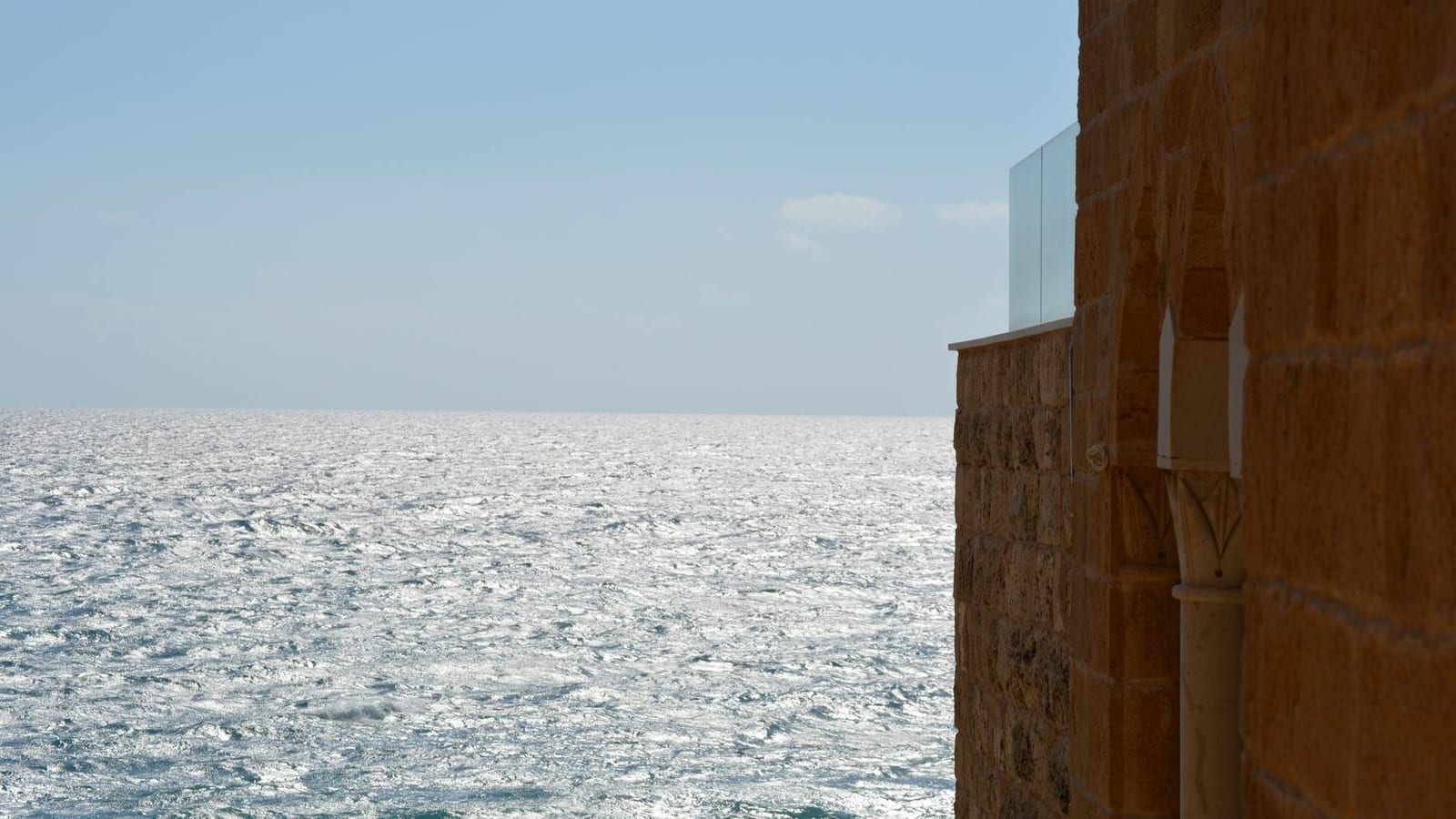
A castle built for medieval wars is now back inside a modern one.
Beaufort Castle, a 900-year-old fortress in southern Lebanon, has been seized by Israeli troops, the Israeli military said on Sunday. The army described the ridge around it as a Hezbollah stronghold and a launch point for attacks into northern Israel.
For travellers, heritage lovers, and anyone who has seen the Levant as a living museum, the news lands with a familiar sadness. In this region, old stones rarely stay outside politics for long.
Beaufort Castle changes hands again
The Israeli military said its troops had taken control of Beaufort Castle and the wider Beaufort Ridge. It also said forces were operating in the Wadi al-Saluki area.
The army said the operation aimed to weaken Hezbollah positions and destroy launch infrastructure on the ridge. It claimed the group had fired hundreds of projectiles from the area toward Israeli civilians and soldiers.
One Israeli soldier was killed in the operation, the military said. There was no immediate public response from Lebanon or Hezbollah.
The timing matters. A ceasefire had been announced more than six weeks earlier, yet the front has stayed dangerous. On Saturday, Hezbollah fire into northern Israel was among the heaviest since that ceasefire began, leading to school closures and restrictions.
That is the uneasy truth of ceasefires in border wars. The paperwork may pause the war on paper. The hills, launch sites, and villages still decide daily life.
Why this ridge matters
Beaufort Castle is not just an old fort with dramatic views. It sits on a ridge that looks across large parts of southern Lebanon and northern Israel.
That geography has always made it valuable. In older times, it helped armies watch routes and valleys. In today’s war, the same height can guide rockets, drones, and artillery.
The Israeli military said the ridge gave Hezbollah positions from which attacks were launched toward residential areas in Israel. It also said infrastructure there had been built under Iranian direction.
For ordinary people, this is where military language becomes household reality. A “launch area” means sirens in border towns. A “strategic ridge” means families sleeping near shelters.
On the Lebanese side, these operations also bring fear to towns and farms around the ridge. Any push into the area can mean blocked roads, closed shops, and families wondering whether to leave.
Nabatieh, a major city in southern Lebanon, was also mentioned by the Israeli military. It said troops were operating near the area, which it described as a Hezbollah stronghold.
A heritage site in a war zone
Beaufort Castle carries a weight beyond the battlefield. It is part of the long, layered history of the Levant, where Crusader, Arab, Ottoman, and modern histories sit on top of each other.
For Indian travellers, that may sound remote. But anyone who has visited forts in Rajasthan or hill towns near old military routes understands the feeling. A fort is never only stone. It tells you who feared whom, who taxed whom, and who watched the road below.
The tragedy here is that such places keep getting pulled back into their original purpose. They were built for war, then preserved for memory, then used again for war.
In calmer times, a castle like Beaufort would be the kind of place a curious traveller plans a detour around. You would go for the view, the history, and the strange silence old ruins carry.
Now the same view makes it useful to armies. That is the brutal logic of high ground.
This also affects the wider image of Lebanon as a travel destination. The country has beaches, mountains, food, music, and deep cultural memory. Yet each border flare-up pushes tourists away and hurts the people who depend on visitors.
Small guesthouse owners, drivers, guides, cafe workers, and family-run restaurants feel that first. They do not need headlines to know trouble is coming. Cancellations tell them early.
Ceasefire, but not calm
The fighting around Beaufort comes after Hezbollah joined the wider conflict linked to Iran by firing rockets and drones into Israel on March 2, according to the Israeli military timeline.
Israel then began efforts to push the Iran-backed group away from its northern border. That campaign now appears to have reached another symbolic and tactical point.
Israel says the castle and ridge helped Hezbollah attack civilians and soldiers. Hezbollah has long presented its military presence in southern Lebanon as resistance against Israel.
Between these positions stand people who do not control the guns. Parents in northern Israel must decide whether children can go to school. Families in southern Lebanon must judge whether the next ridge will become the next front.
That is why this story is not only about a castle. It is about how geography traps people.
A hill that gives one side a better line of sight also puts nearby communities under suspicion. A road that once brought farmers and travellers can become a supply route. A historic monument can become a military objective.
The ceasefire has not produced real quiet yet. It has produced a thinner, more nervous version of conflict, where both sides test limits.
For Indian readers, the pattern is not hard to grasp. We have seen border towns live between routine and alarm. Markets open, schools reopen, weddings continue, then one night changes the mood again.
What travellers should take from this
This is a travel story only in the most uncomfortable sense. It reminds us that travel depends on peace more than on brochures, flights, or hotel deals.
Southern Lebanon is not a place for casual travel now. Anyone planning regional movement must follow official advisories, airline updates, and local security guidance. In conflict zones, a beautiful view can be the most dangerous place to stand.
There is also a wider lesson for heritage tourism. Historic places in unstable regions need more than restoration budgets. They need political calm, community protection, and clear rules that keep military use away from cultural sites wherever possible.
That is easier said than done. Armies value height, roads, tunnels, and old walls. Heritage experts value memory. Local people value survival.
Beaufort Castle now sits at the meeting point of all three.
The coming days will show whether Israel treats the ridge as a temporary military gain or a longer presence. They will also show whether Hezbollah responds directly, and whether Lebanon’s fragile calm slips further.
For ordinary readers, the deeper point is simple. A 900-year-old castle has survived empires, sieges, and neglect. Its latest capture tells us less about the past than the present. In this part of the world, history is not behind glass. It still overlooks the valley, and people still live under its shadow.