Israel Seizes Beaufort Ridge in South Lebanon Push
Israel says troops took Beaufort Castle and nearby high ground in southern Lebanon, alleging Hezbollah used the ridge for rocket and drone attacks.
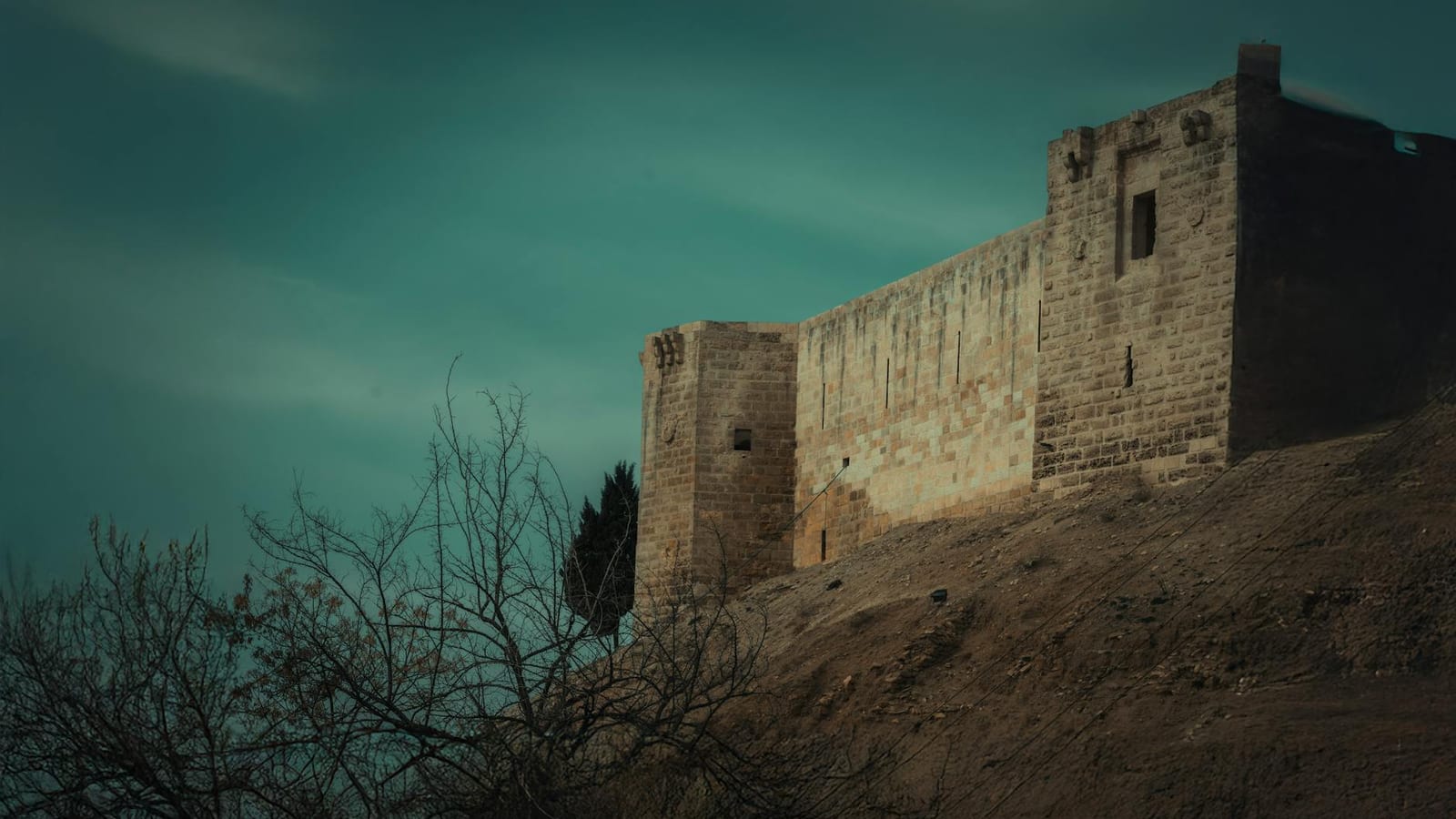
A 900-year-old castle has become a live military post again, which tells you how old fears rarely stay buried in this part of West Asia.
Israel said its troops had taken Beaufort Castle and the ridge around it in southern Lebanon. The army called it a major position used by Hezbollah to fire rockets and drones.
For Indians watching from afar, this is not just another distant flashpoint. West Asia affects our oil bills, air routes, diaspora workers, and family travel plans faster than we think.
Why Beaufort matters again
Beaufort Castle is not just a romantic ruin on a hill. It sits on high ground, and high ground still matters in war.
The Israeli military said the ridge gives a view across parts of southern Lebanon and northern Israel. That makes it useful for watching movement, planning attacks, and controlling nearby routes.
The army said Hezbollah had used the area to launch hundreds of projectiles at Israeli civilians and soldiers. It also said troops were targeting launch sites and other military infrastructure.
One Israeli soldier was killed during the operation, the military said. Lebanon and Hezbollah did not immediately respond to the Israeli account.
The castle lies near Nabatieh, a major southern Lebanese city. That area has long been seen as politically and militarily important for Hezbollah.
A ceasefire that feels thin
The timing makes this move more serious. Israel said the advance came despite a ceasefire announced more than six weeks ago.
Ceasefires in this region often look clear on paper and cloudy on the ground. Each side watches for violations. Each side claims the other moved first.
Israel said Saturday saw one of the heaviest rounds of Hezbollah fire toward northern Israel since the April ceasefire. Schools shut in some areas, and authorities imposed restrictions.
That detail matters. For families in northern Israel, a siren is not a headline. It decides whether children go to class, whether shops open, and whether people sleep properly.
On the Lebanese side, military operations near villages bring their own fear. Airstrikes, artillery fire, and troop movement unsettle daily life long before any official evacuation order.
This is why the castle’s capture is bigger than a map marker. It suggests the front has not gone quiet. It has only changed rhythm.
The Iran shadow behind Lebanon
Israel linked the ridge to Hezbollah infrastructure built under Iranian direction. That claim fits the wider pattern of the conflict.
Hezbollah is backed by Iran, and it has long acted as Tehran’s strongest armed ally near Israel’s border. For Israel, pushing Hezbollah away from the north is now a central military aim.
The latest phase began after Hezbollah fired rockets and drones into Israel on March 2. That came days after the wider Iran conflict began, according to the Israeli account.
Since then, Israel has tried to weaken Hezbollah positions close to its border. Beaufort Ridge now gives Israeli forces a strong lookout point.
For an Indian reader, the Iran angle is not academic. When West Asia burns, crude oil markets get nervous. Insurance costs rise. Airlines rethink routes. Exporters start counting delays.
India has millions of citizens living and working across the Gulf. A wider regional conflict can affect wages, remittances, and emergency planning back home.
Even tourism gets hit quietly. Families planning Israel, Jordan, Egypt, or Lebanon trips do not wait for formal advisories alone. They watch airport alerts and cancel when uncertainty grows.
History sits under the smoke
Beaufort Castle has seen too many flags for one lifetime. Its walls carry the weight of medieval war, modern occupation, and local memory.
The Israeli capture is also symbolic because Israel had not held the castle for 26 years. That number carries deep meaning in Lebanon.
Southern Lebanon remembers Israel’s long military presence, which ended in 2000. Hezbollah built much of its political identity around resisting that occupation.
So when Israeli troops return to such a visible site, people do not see only a tactical move. They see history walking back through the gate.
This is where military language misses something. Armies say “operational control.” Civilians hear “how long will this last?”
That question matters more than the castle itself. A temporary operation has one meaning. A durable Israeli footprint inside Lebanon has another.
For Hezbollah, losing a ridge so close to its core areas is a blow. For Israel, holding it could reduce fire from nearby positions. But holding ground also creates new exposure.
Every hill taken must be supplied, defended, and explained. In West Asia, that last part can become the hardest.
What India should watch
India does not need to choose every argument in West Asia to understand its consequences. The region sits too close to our economy.
Oil prices remain the first thing to watch. Even a modest rise affects fuel, freight, and food prices in India. That hits households before it shows up in speeches.
Air routes are another concern. Conflict zones can force longer flights, higher fares, and sudden travel uncertainty. Students, business travellers, and tourists feel that quickly.
The third issue is worker safety. Indian families with relatives in the region follow these events with a personal worry. A conflict map is also someone’s workplace map.
Diplomatically, New Delhi will likely keep its usual careful balance. India has strong ties with Israel, deep energy interests in West Asia, and close links with Arab states.
That balance works only when the fire stays contained. If the Israel-Hezbollah front expands, every country with stakes in the region will face harder choices.
For now, Beaufort Castle is a military story wrapped inside a human one. A ridge has changed hands, but ordinary people will carry the real cost. The next few days will show whether this is a limited move, or the start of a more dangerous chapter across Lebanon’s south.