Israel takes Beaufort Castle despite Lebanon ceasefire
Israeli troops seized Beaufort Castle and a nearby ridge in southern Lebanon, raising fresh strain on the fragile Hezbollah border ceasefire.
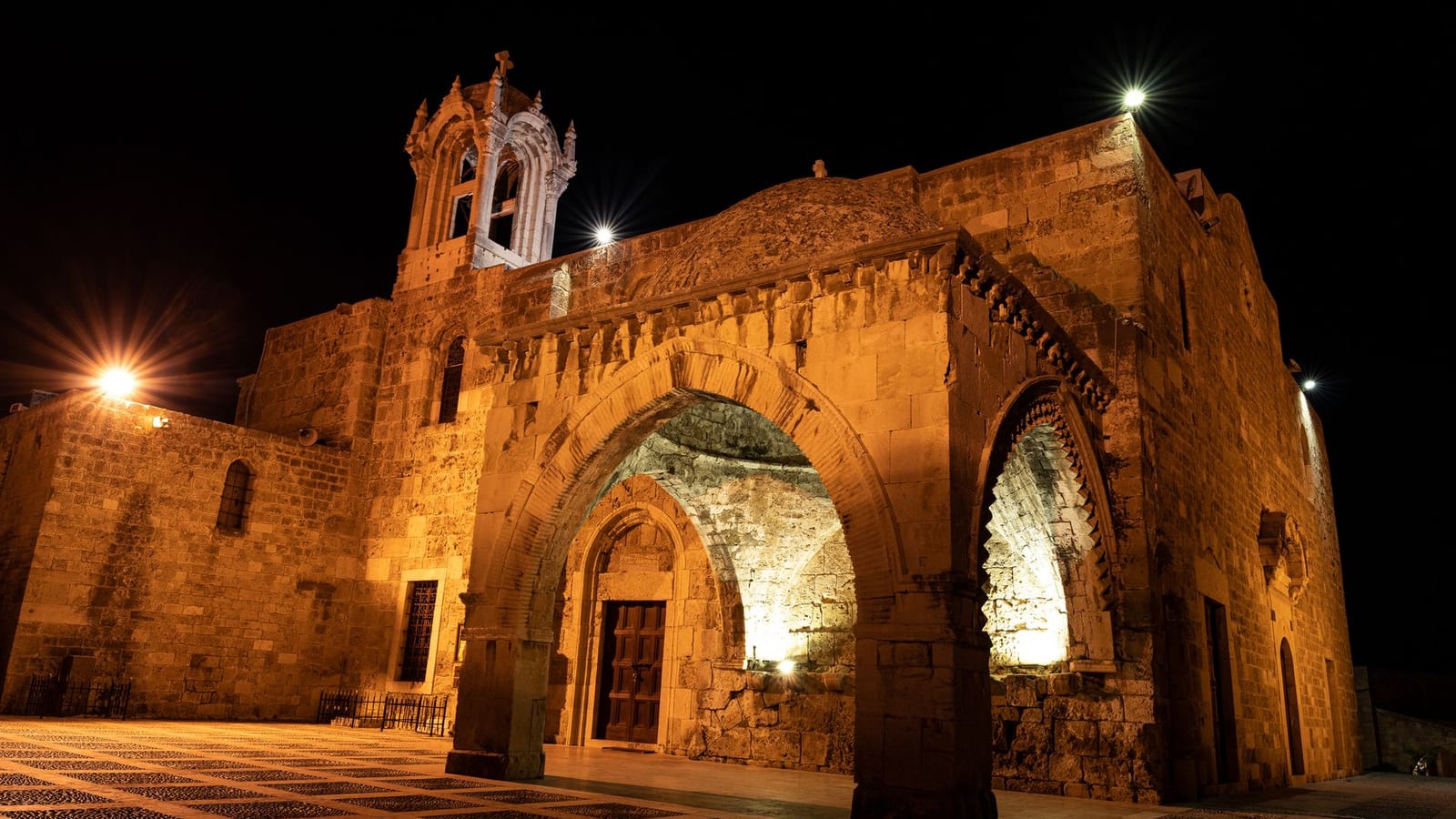
A 900-year-old castle has become a military prize again, and that says plenty about this war.
Israeli troops have taken Beaufort Castle and the ridge around it in southern Lebanon, the Israeli military said on Sunday. For travellers, it is a medieval landmark. For soldiers, it is something more basic, high ground.
The capture comes despite a ceasefire announced more than six weeks ago. That is the uncomfortable part. On paper, guns should be quieter. On the ground, Israel and Hezbollah still seem locked in a dangerous border fight.
Why Beaufort Castle matters
Beaufort Castle is not just another old stone fort on a hill. Its ridge gives a sweeping view over parts of southern Lebanon and northern Israel.
That geography explains why armies keep returning to such places. Long before drones and precision missiles, whoever held the height could watch roads, valleys, and villages below.
The Israeli military said the operation focused on Beaufort Ridge and the Wadi al-Saluki area. It said troops were targeting Hezbollah positions and launch infrastructure there.
In plain English, Israel believes the ridge helped Hezbollah fire rockets and drones towards Israeli communities and soldiers. The military said hundreds of projectiles had been launched from that wider area.
One Israeli soldier was killed in the operation, the military said. There was no immediate response from Lebanon or Hezbollah.
For anyone who has travelled through old conflict zones, this detail feels familiar. History looks romantic from a distance. Up close, a fort often remains useful because geography has not changed.
A ceasefire under heavy strain
The timing makes this capture sharper. Israel said the operation followed one of the heaviest days of Hezbollah fire towards northern Israel since the April ceasefire.
That fire reportedly forced school closures and brought restrictions in parts of northern Israel. These are the daily costs that rarely fit into neat diplomatic language.
A ceasefire can exist on paper while families still sleep near shelters. Shops can open in the morning and shut by afternoon after sirens. Parents still calculate school runs around security alerts.
Israel says Hezbollah entered the US-Israeli war against Iran by firing rockets and drones on March 2. Israel then began pushing the Iran-backed group away from its northern border.
That is the official Israeli framing. Hezbollah has long presented its actions as part of a broader resistance front. But for ordinary people near the border, the labels matter less than the next warning siren.
This is why the Beaufort move matters beyond one castle. It suggests Israel wants physical control over locations it sees as launch points, not only temporary air strikes.
Southern Lebanon feels the pressure
The Israeli military also said troops were operating near Nabatieh, a major Hezbollah stronghold in southern Lebanon.
Nabatieh is not an abstract dot on a security map. It is a real city in a region where civilians have already lived through years of fear, displacement, and uncertainty.
When armies move around such places, daily life shrinks quickly. Roads become risky. Shops lose customers. Families weigh whether to stay near homes or move again.
For Indian readers, the lesson is simple. Border conflicts do not stay at the border in any clean way. They creep into school calendars, hospital access, farming, trade, and travel.
Lebanon’s south has also carried cultural and historical weight for centuries. Castles, villages, and old routes sit inside today’s military geography. That makes destruction more than a security headline.
The travel angle here is sobering. A place that might have drawn history lovers now becomes inaccessible, contested, and dangerous. Heritage survives best when people around it can live normally.
What this means for travellers
No responsible traveller should read about Beaufort Castle today as a destination tip. This is active conflict terrain.
For Indian travellers planning West Asia trips, the larger message is caution. Conditions can change fast when cross-border fire resumes, even after ceasefire announcements.
Tourism depends on boring things working well. Flights must run. Roads must stay open. Insurance must remain valid. Local transport must be predictable.
Conflict breaks those ordinary links first. A site may appear safe on a map but become unreachable because nearby roads, villages, or military zones change overnight.
This matters especially for backpackers and independent travellers, who often rely on local buses, shared taxis, and flexible plans. Flexibility helps in normal travel. In conflict zones, it can become a liability.
Families and older travellers face different risks. Medical access, evacuation routes, and embassy advisories matter more than sightseeing lists. A historic monument is not worth testing a live military frontier.
The safest approach is to treat official advisories seriously and avoid southern Lebanon unless authorities clearly say otherwise. Romantic old ruins can wait. Wars rarely do.
Old stones, modern weapons
Beaufort Castle’s capture also reminds us how old terrain shapes modern war. Satellites can scan borders, and drones can track movement. Yet a ridge still matters.
That is because visibility remains power. A high position can help observe launches, movement, roads, and nearby settlements. It can also deny the same advantage to the other side.
Israel says Hezbollah built infrastructure on the ridge with Iranian direction. That claim fits Israel’s wider argument that Hezbollah acts as an Iranian-backed military arm near its border.
Hezbollah’s role in Lebanon is more complex than that single line. It is a militia, a political force, and a deeply rooted actor in parts of the country. That makes any military move around its strongholds highly sensitive.
For Lebanon’s government, the problem is even harder. Any deeper Israeli footprint on Lebanese land raises questions of sovereignty, security, and political control.
For Israel, the argument is security for northern communities. For Lebanon, the concern is another expansion of war on its soil. For civilians, both arguments arrive with fear attached.
That is the tragedy of places like Beaufort. The same stones that attract historians can become markers of who controls the next valley.
The coming days will show whether this is a limited tactical move or the start of a wider Israeli hold inside southern Lebanon. For ordinary readers, the point is clearer. A ceasefire is only real when children return to school without fear, farmers go back to their land, and old castles become places to visit again, not places to capture.