Israel widens Lebanon ground push despite ceasefire
Israeli strikes and a deeper ground push in Lebanon test the ceasefire, raising civilian toll concerns and fresh risks for West Asia stability.
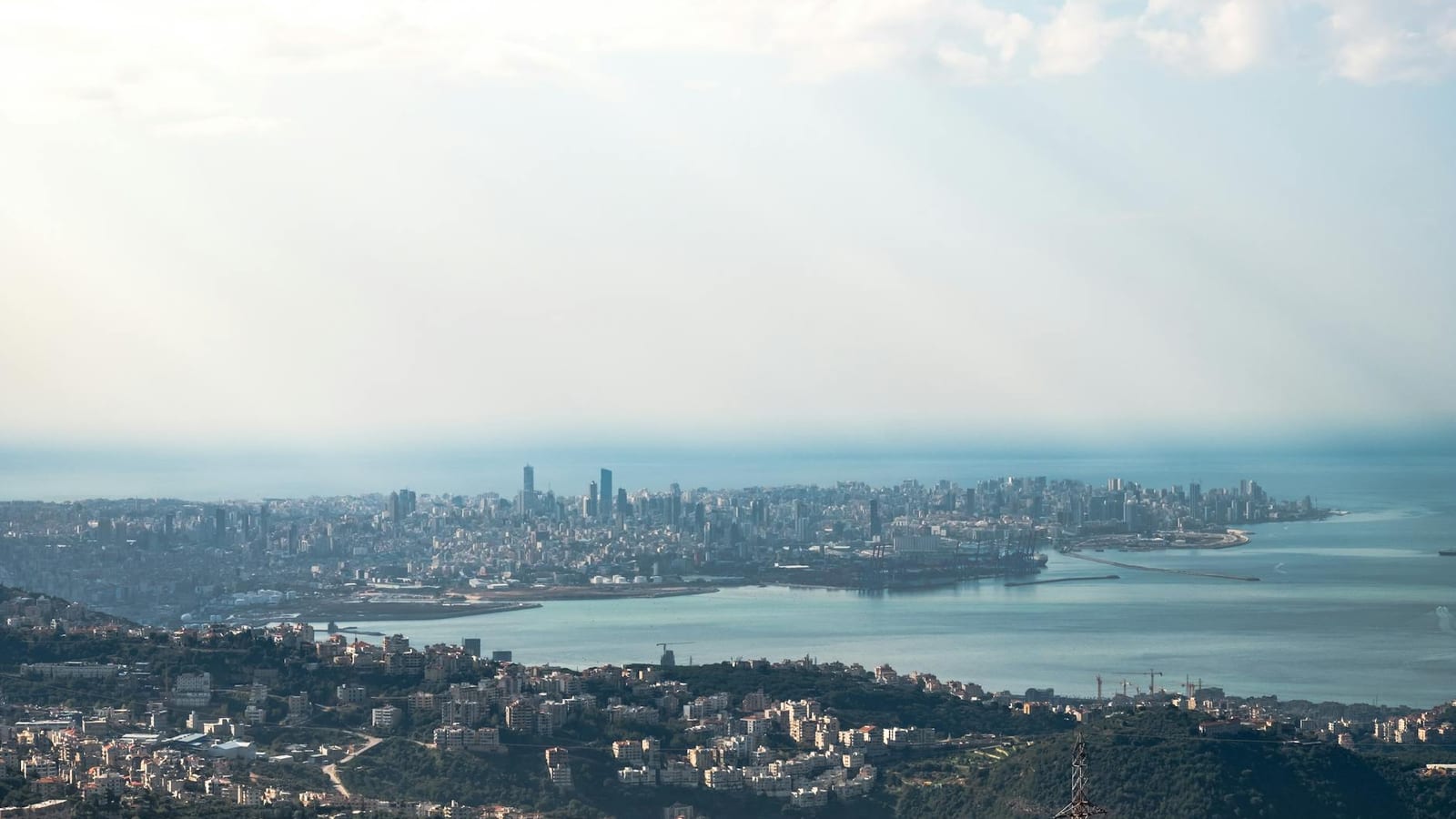
A ceasefire is supposed to quieten the sky. In southern Lebanon, families instead saw smoke rise again after more than 120 Israeli air strikes.
For Indians who see Lebanon as a distant crisis, this is not just another West Asia flare-up. It sits in the same troubled map that affects oil prices, flights, shipping routes, and thousands of workers across the region.
Israel says it is pushing deeper to protect its northern communities. Lebanon says civilians, including women and children, are dying under the bombs.
Israel expands its Lebanon campaign
Lebanese security officials said Israeli strikes hit southern and eastern Lebanon on Tuesday. It was one of the heaviest bombing days in recent weeks.
Lebanon’s National News Agency said at least 10 people died in one strike on Burj al-Shamali. The victims included women and children, according to the agency.
The attacks came despite an April 16 ceasefire. That truce was meant to pause fighting between Israel and Hezbollah, the Iran-backed armed group based in Lebanon.
Benjamin Netanyahu said Israeli forces were “capturing and controlling areas”. He framed the operation as a way to shield Israeli towns near the border.
That phrase matters. It suggests Israel is no longer only striking from the air. It is also trying to shape the ground.
The buffer zone is widening
Israeli troops already hold a self-declared security strip inside southern Lebanon. This area runs several kilometres beyond the border.
Two officials said Israeli ground operations have now moved beyond that zone. They did not give exact details of how far troops had advanced.
Israel refers to a “Forward Defense Line”. This is separate from the United Nations’ Blue Line, which marks the frontier after Israel’s 2000 withdrawal.
There is also talk of a proposed buffer zone stretching 5 km to 10 km into Lebanon. In plain terms, Israel wants space between Hezbollah and its northern towns.
For Lebanese villagers, that “space” is home. Israel has ordered residents not to return to dozens of villages in the zone.
Troops have also destroyed houses in parts of the area. That turns a military map into a personal loss for families.
A farmer may survive the strike. But if his house, field, and road vanish, returning becomes almost impossible.
Hezbollah says it hit tanks
Hezbollah said it attacked Israeli forces and tanks near Zawtar al-Sharqiya. It said it used explosive drones, rockets, and artillery.
Israel’s military said 10 of its soldiers have died since the April ceasefire. It said six were killed by Hezbollah’s explosive drones.
This is the new shape of the battlefield. Drones now do work that once needed larger weapons and more visible troop movements.
That makes ceasefires harder to protect. One drone attack can trigger air strikes. One air strike can bring another round of rocket fire.
Netanyahu had already said Israel would intensify strikes against Hezbollah. A US official said Hezbollah had ignored warnings to stop attacks.
Those warnings matter because this fight is tied to a larger crisis. Iran has accused the United States of violating a separate truce by striking southern Iran.
So Lebanon is not burning in isolation. It is part of a wider West Asia chain, where one blast can pull in many capitals.
Civilian toll keeps climbing
Lebanon’s health ministry says 3,213 people have died since March 2. It said 9,737 people have been wounded in the Israeli offensive by May 26.
The World Health Organization has said at least 608 people in Lebanon have been killed in Israeli attacks since the April truce.
Hezbollah has not released its own casualty figures. That leaves a fog around how many fighters have died.
But civilians have no such fog. Their losses show up in hospitals, damaged streets, closed shops, and families leaving home.
For a small country like Lebanon, repeated displacement cuts deep. People do not just lose shelter. They lose school years, medical access, wages, and savings.
The strikes also hit near places that carry cultural weight. Some landed close to Beaufort Castle, a nearly 900-year-old fortress in southern Lebanon.
UNESCO has described it as one of the region’s best-preserved medieval castles. War does not spare history when frontlines move.
At least three strikes also hit near the Qaraoun Dam, Lebanon’s largest water reservoir. Any danger near water infrastructure raises a basic fear.
People can live without many things during war. They cannot live without safe water.
Why India should watch closely
India has lived with West Asia’s tremors for decades. Oil, remittances, flights, trade, and diaspora safety all pass through this region.
A wider conflict can make crude oil markets nervous. That can feed into petrol, diesel, transport costs, and eventually household budgets.
Airlines also watch these skies closely. When conflict expands, flight paths change. Longer routes can mean higher operating costs.
Indian travellers planning West Asia trips should read official advisories carefully. Conflict zones can shift faster than tour plans.
This is where the travel lens becomes brutally practical. A destination is not only about hotels, food, and old streets.
It is also about whether the airport works, whether roads stay open, and whether insurance covers disruption.
Lebanon has long attracted visitors for history, food, coastlines, and mountain towns. But war changes how outsiders must think about travel.
For now, the bigger story is not tourism. It is survival for people living under a broken ceasefire.
The danger is that everyone gets used to the language of “zones” and “lines”. For ordinary people, those words mean villages emptied, children moved, and lives put on hold. If this ceasefire keeps fraying, the next question will not be who fired first. It will be how many families still have a home to return to.