Jerusalem Tourism Slows As Conflict Strains Old City
Jerusalem's Old City is quieter after months of Israel-Iran conflict, with tighter security and fewer pilgrims weighing on travel businesses.
For a city built on pilgrimage, the loudest sound in parts of Jerusalem now is absence.
The lanes that usually carry tour groups, prayer chants, souvenir bargaining, and camera clicks feel thinner. Jerusalem has not emptied out, but it has slowed down. That matters in a city where faith is also work, and visitors keep many small businesses alive.
After months of conflict between Israel and Iran, the city is trying to look normal. But normal is doing a lot of heavy lifting here.
Old City walks feel different
Enter through Jaffa Gate, and Jerusalem still delivers its old drama. Stone walls, narrow alleys, limestone buildings, and centuries of worship sit close together.
Yet the mood has changed. Security checks feel tighter. Armed personnel stand near sensitive points. Tourists move in smaller numbers than the city expects in a regular season.
For Indian travellers, this is the part that matters. Jerusalem is not just another stop on a West Asia itinerary. It is a sacred destination for Christians, Jews, and Muslims. It draws pilgrims, families, religious groups, students, and history lovers.
When travel slows here, the impact spreads quickly. A souvenir seller does not just lose one sale. A guide loses a day’s work. A cafe closes early. A taxi driver waits longer.
One elderly shopkeeper near the market said the evening crowds once filled his lane. Now, he can spend hours waiting for only a handful of visitors.
That one line says more than any tourism chart.
Faith continues under watch
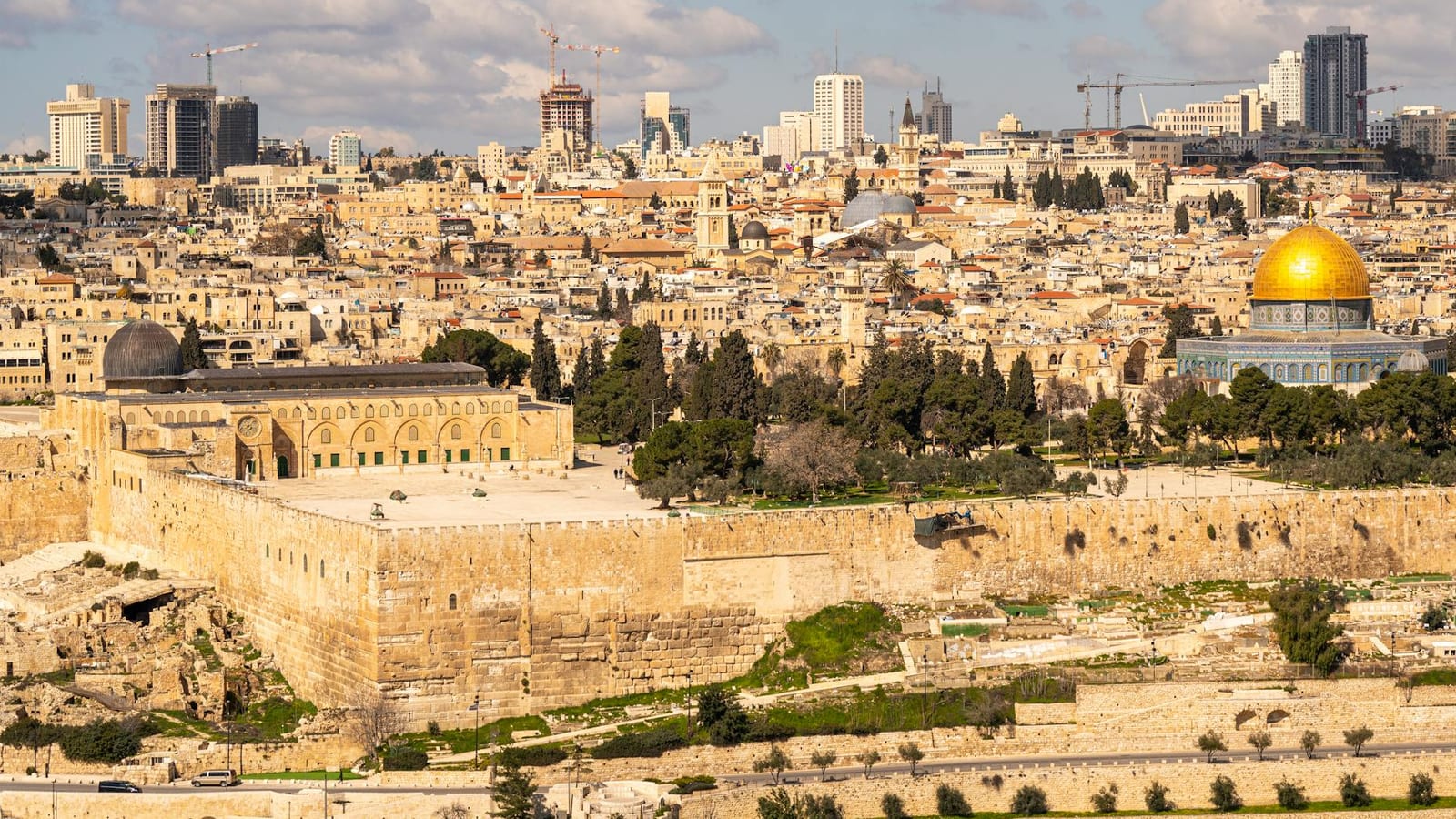
The Mount of Olives gives you one of the most famous views in the region. From there, the city opens up in layers.
You see the Al-Aqsa Mosque complex, churches, Jewish burial grounds, and old neighbourhoods. In any calmer year, this view would invite silence for a different reason.
Now, the silence carries worry.
Residents speak of missile alerts, regional tension, and the fear that fighting may widen again. That fear does not announce itself loudly. It sits in short answers, guarded conversations, and watchful streets.
At the Church of the Holy Sepulchre, officials pointed to damage linked to missile shrapnel. Iran had publicly said religious sites in Jerusalem would not be targeted.
Still, prayers have continued. Worshippers light candles. Clergy hold services. Pilgrims arrive with caution, not comfort.
A European worshipper said the sight of damage felt deeply emotional. The church, in that person’s words, belongs spiritually to millions.
That is the strange truth of Jerusalem. Even when politics shakes the ground, faith keeps people walking through the door.
Tourism businesses take the hit
War first shows up in headlines. Then it shows up in ledgers.
For Jerusalem’s tourism economy, the damage is plain. Market lanes that usually run on pilgrims and international visitors look subdued. Some souvenir shops remain closed. Restaurants pull down shutters earlier.
Tour guide David Baruch said the city depends on visitors. When people stay away, hotels, restaurants, guides, and transport operators all suffer.
This is not hard to understand from India. Think of a religious town during a bad season. The temple or shrine may remain open. But the ecosystem around it weakens fast.
Jerusalem works in a similar way, only with global stakes. A booking cancellation in Europe or Asia can mean a lost wage for someone in the Old City.
Travellers are also doing their own risk math. Many worry about flights stopping suddenly. Others fear another round of attacks. Some may want to go, but insurers, families, or tour operators may hesitate.
That leaves the city in a half-open state. It is not shut to visitors. But it is not welcoming them with its usual confidence either.
For Indian pilgrims and tourists, the practical lesson is simple. Check official travel advisories before planning. Watch airline schedules closely. Build flexibility into bookings. Do not treat the region like a routine long weekend.
Diplomacy feels far away
The United States has spoken about renewed talks with Tehran. Donald Trump has said Washington is working towards a deal.
On the ground, the mood is more cautious. Israel has said it will keep the freedom to act against threats.
That gap matters. Diplomacy may move in conference rooms, but ordinary people live between the announcements.
Jerusalem’s residents know this rhythm too well. A pause in fighting can bring relief. It does not always bring trust.
Israel also continues to watch threats from Lebanon, especially positions linked to Hezbollah near its northern border. That keeps the wider region tense, even when one front appears quieter.
For visitors, this creates an unusual travel question. The city’s sacred sites remain powerful. Its history remains unmatched. But the decision to travel now needs more care than romance.
This is where travel writing must be honest. Jerusalem can still move you. It can also unsettle you. Both things can be true on the same street.
The city waits, but works
At the Western Wall, worshippers gathered to pray for peace, security, and soldiers. Schoolgirls carried Israeli flags. Their words reflected the mood many locals describe, tired of war but still holding on.
One young resident near the Mount of Olives said people across communities want stability. Jewish, Muslim, or Christian, daily life needs breathing space.
That may sound obvious. But in Jerusalem, obvious truths often carry heavy weight.
The city has survived conflict before. That does not mean people feel untouched by it. Survival is not the same as ease.
For Indians watching from afar, Jerusalem’s story is not only about geopolitics. It is about what happens when a sacred city becomes a nervous workplace. It is about shopkeepers waiting for customers, guides waiting for bookings, and pilgrims deciding whether faith is enough to overcome fear.
If the pause holds, visitors may return slowly. If tensions flare again, the recovery will stall before it begins. For now, Jerusalem remains open, watchful, and tired, a city still praying while counting the cost of uncertainty.