Lakshadweep Boat Scare Puts Tourist Safety in Focus
Shifana Salim's account of a dangerous night boat ride in Lakshadweep renews concern over tourist briefings, boat capacity and sea safety.
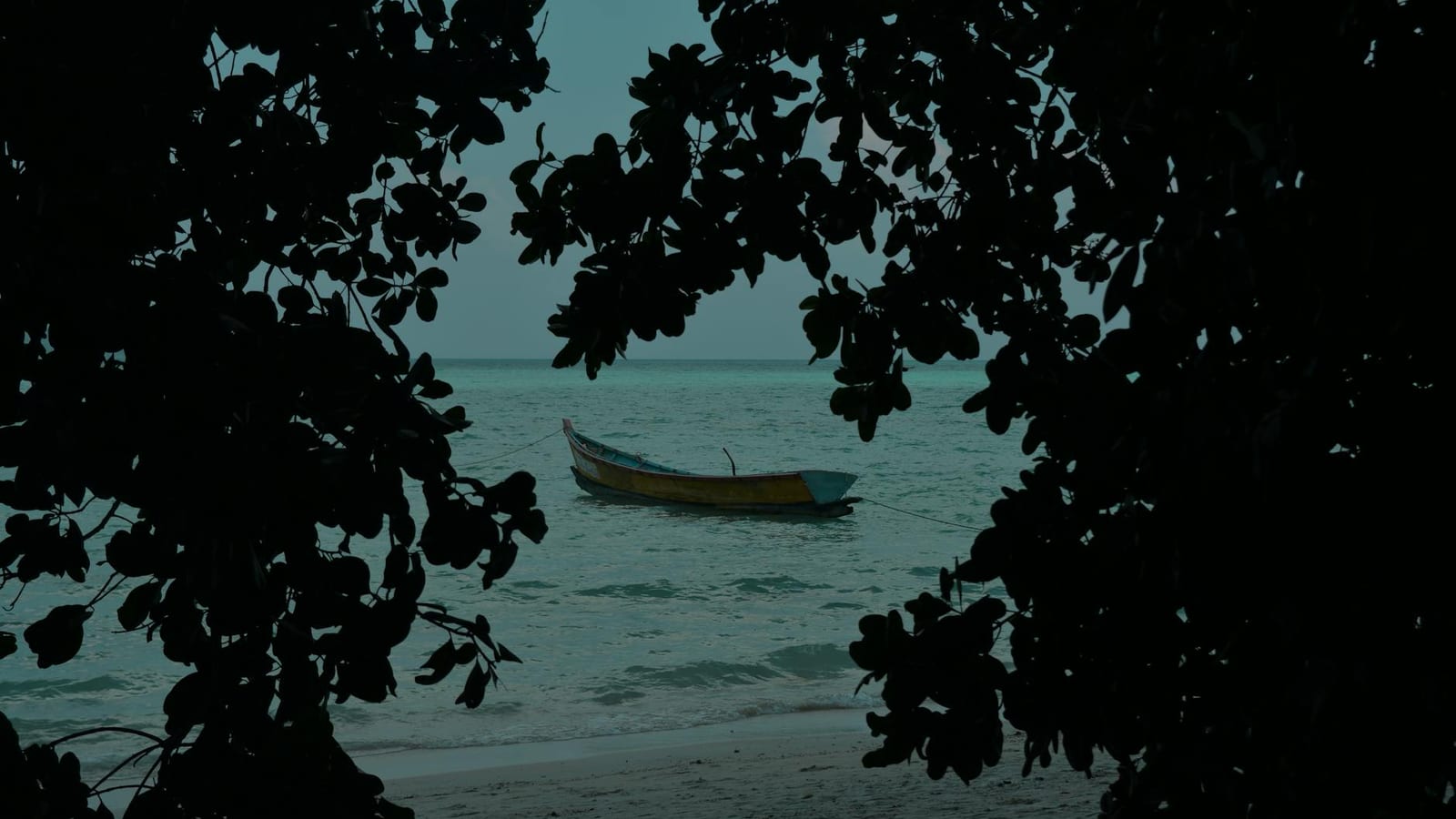
One mobile flashlight can look very small against the Arabian Sea at night.
For Shifana Salim, that thin beam became the difference between panic and rescue during a tourist boat trip in Lakshadweep. She had gone there as a student traveller. She returned with the kind of story no holiday brochure prints.
Her account has gained fresh attention after Wing Commander R. Sriraj, a Malayali officer, drowned near Bangaram island. The tragedy has reopened an old question. Are tourists being told enough about sea safety before they step into paradise?
A night trip turns dangerous
Shifana was part of a 16-member group of students and teachers from a psychology centre in Kozhikode. They reached Lakshadweep on April 8 and stayed at Agatti island.
On April 11, around 7 pm, some members of the group went out for a fishing activity. The boat that arrived was small. Shifana said she asked how so many people could travel in it.
The answer, she recalled, was casual. The young boat operators told her there was no problem.
That is where most travel accidents begin. Not with one dramatic failure, but with one warning ignored.
The boat reportedly had space for seven people. Yet it carried Shifana, nine tourists, and two operators. Once they moved two or three kilometres from shore, the sea turned deeper and darker.
Then another boat with them began taking in water. Those passengers climbed into Shifana’s boat. Suddenly, a risky trip became a life-threatening one.
The overloaded boat sank lower. Water threatened to enter. Nobody could move freely. Even a small shift in weight could have made things worse.
Shifana said the two operators jumped into the sea and left the passengers behind. The tourists were now alone in the dark, in a boat that could tip or flood.
The phone call that mattered
Most Indian travellers know this helpless feeling. You are in a place of beauty, but you do not know whom to call when things go wrong.
In Shifana’s case, the mobile network held. She searched for a police number and found Beypore police. She called and explained the situation.
The Beypore station passed the message to Agatti police. A police team led by the local station house officer moved out with rescue workers.
Finding a boat in the open sea after dark is not simple. There are no streetlights, no landmarks, and no neat map pin visible from a rescue boat.
That is when Shifana and others used the one signal they had. They switched on mobile flashlights and held them up.
The rescuers spotted the light and brought the passengers back safely. It sounds almost filmi, but anyone who has been at sea after sunset knows how fragile that moment must have felt.
After the incident, police registered a case against around 35 people. The list included boat owners, travel agency staff, and guides, according to details from the authorities.
That number matters. It suggests the problem was not just one careless boat ride. It points to a chain of responsibility across the local tourism setup.
Paradise needs stricter checks
Lakshadweep is not an ordinary beach holiday. It is a remote island territory, with limited transport, sensitive ecology, and weather that can change fast.
That is also why safety cannot work on informal promises. A tourist cannot judge sea depth, night currents, boat capacity, or operator training in five minutes.
For Indian families, students, and working couples planning a Lakshadweep trip, the appeal is obvious. Clear water, quiet islands, coral reefs, and a break from crowded hill stations.
But the same remoteness that makes the islands special also raises the stakes. Rescue takes time. Medical support may not be around the corner. A small mistake can become serious quickly.
Boat capacity is not a suggestion. It is a safety limit. When a seven-person boat carries more than that, every wave becomes a bigger risk.
Life jackets are another basic rule. Tourists must not treat them like optional accessories. Operators must not allow any sea activity without them.
Night trips need even more care. Shifana has warned travellers that many boat rides after 6 pm may need police permission. That is the sort of detail every agency should state clearly.
A responsible travel operator should give emergency numbers before the trip. It should also brief guests on what to do if the boat stalls, floods, or loses direction.
This is not about scaring people away from Lakshadweep. It is about respecting the sea.
What travellers must ask first
The first question should not be about photos, food, or hotel views. It should be about safety.
Ask how many people the boat can legally carry. Ask who operates it. Ask whether every passenger gets a life jacket before boarding.
Ask for local emergency numbers and save them offline. Network may work, as it did for Shifana, but travellers should not depend on luck.
Families with children and older parents must be especially firm. A guide saying “nothing will happen” is not a safety certificate.
Students and group travellers should also avoid pressure. If the boat looks crowded, say no. If the operator laughs off a concern, step back.
Travel agencies need to treat this as a business risk too. One accident can destroy trust built over years.
Lakshadweep’s tourism future depends on confidence. Visitors must believe that a trip there is not only beautiful, but also properly managed.
The administration also has a clear job. It must enforce capacity rules, check licences, monitor night activities, and punish repeat violators.
Tourism cannot run on charm alone. It needs boring things done well, records, permits, jackets, radios, trained operators, and working rescue links.
Shifana’s story ended with relief. Many such stories do not. That is why her advice should not be read like a travel tip list. It should be read like a warning from someone who saw how quickly a holiday can change.
For ordinary travellers, the lesson is simple. Lakshadweep is still worth visiting, but the sea does not forgive casual planning. Before chasing the perfect island memory, make sure someone has done the basic safety work. Your best travel decision may be the question you ask before stepping into the boat.