Lakshadweep boat scare puts tourist safety in focus
A student's account of an overloaded night boat trip off Agatti has renewed concern over tourist safety after a drowning near Bangaram.
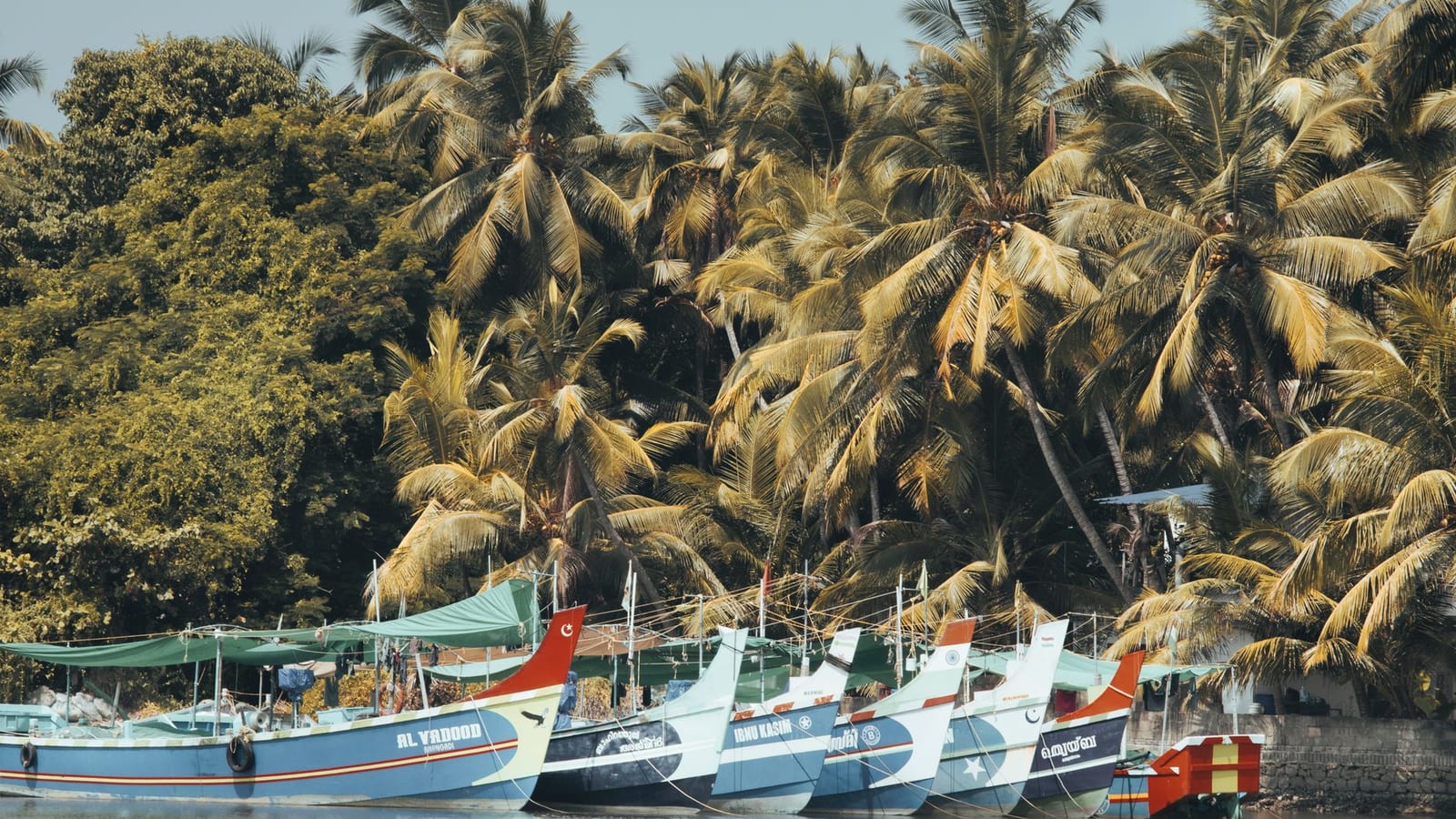
A mobile phone torch became the difference between panic and rescue in the dark Lakshadweep sea.
For Shifana Salim, a psychology student from Malappuram, that April night has not ended yet. She still speaks of it with a tremor. One overloaded boat, one sinking boat nearby, two young operators who jumped into the water, and tourists left waiting in the dark.
Her story has returned to public attention after Wing Commander R. Sreeraj, a Malayali Air Force officer, drowned near Bangaram island. It raises a plain question. Are tourists being sold paradise without enough warning about risk?
A holiday turned frightening
Shifana had travelled to Lakshadweep on April 8 with a group of students and teachers. Sixteen people from her MSc psychology centre in Kozhikode stayed on Agatti island.
On April 11, around 7 pm, some members of the group went out for a fishing trip. The boat that arrived was small. Shifana said it could safely carry about seven people.
Instead, she said, nine tourists, herself included, and two boat operators got on board. She asked how so many people could travel in that boat. The operators told her it would not be a problem.
A few kilometres into the sea, the water became deeper. Then another boat travelling with them began taking in water. People from that boat shifted into Shifana’s boat.
That pushed the second boat close to disaster. It sat lower in the water. One wrong movement could bring water inside.
The dark made rescue harder
Then came the moment that travellers fear most. Shifana said the two operators jumped into the sea, leaving the passengers behind.
The tourists stayed still because movement itself felt risky. The sea was dark. The boat had too many people. There was no quick way to know who could reach them.
Luckily, one phone still had network. Shifana searched for a police number and found Beypore police. She called and explained the situation.
Beypore police then alerted Agatti police. A rescue team led by the local station officer moved out in a boat to search for them.
But finding a small boat at night is not like spotting a vehicle on a highway. The sea gives very few clues. The passengers then used the simplest tool they had. They switched on mobile phone flashlights.
That light helped rescuers locate them and bring them back to land.
Safety gaps tourists must notice
Lakshadweep has become one of India’s most desired island breaks. The blue water does the marketing by itself. But island travel is never just about pretty beaches.
Boats, tides, darkness, distance, and local permissions matter. A tourist may see a short ride. The sea does not see it that way.
Shifana’s account points to basic failures. The boat was allegedly overcrowded. The passengers did not seem to have enough control over safety checks. The operators were young, she said, and later abandoned the tourists when danger rose.
Agatti police registered a case against around 35 people, including boat owners, a travel agency, and guides. That shows the problem may not sit with one careless person alone.
For Indian travellers, this is the uncomfortable part. Many of us ask about hotel rooms, food, and photo spots. We often forget to ask about boat capacity, life jackets, night permissions, and emergency numbers.
That habit has to change, especially in island destinations. A cheap package can become very costly if safety is treated like a side item.
What travellers should check first
Shifana has urged Lakshadweep visitors to save local emergency numbers before the trip. That sounds basic, but it matters. In a crisis, searching online can waste precious minutes.
Travellers should also check life jackets before boarding. Not just whether they exist, but whether each passenger gets one and wears it.
Boat capacity needs a direct question. If the boat looks too full, tourists should refuse to board. Awkwardness on the jetty is better than fear at sea.
Travel agencies also need closer scrutiny. A good operator will explain risks before the ride. A poor one will rush people into a boat and wave away questions.
Visitors should also ask what kind of sea journey they are taking. A lagoon ride, a fishing trip, and a night movement are not the same thing.
Shifana said travellers must remember that several sea trips after 6 pm do not have police permission. That one detail can change the whole judgement of a package.
For families, students, and working couples planning a Lakshadweep break, this is not a reason to panic. It is a reason to travel with sharper eyes.
The islands remain beautiful. That is not the issue. The issue is whether operators, guides, and travellers respect the sea enough.
A holiday should give people stories to bring home, not a memory of waiting in darkness for a torchlight to be seen. Lakshadweep’s travel boom will mean little unless safety grows with it.