Lebanon Travel Risks Rise as Israel Widens Offensive
Israeli strikes and deeper ground operations in Lebanon are straining a ceasefire, raising fresh risks for travellers, airlines and tour operators.
For anyone planning a summer trip to the eastern Mediterranean, the map just got darker. A ceasefire existed on paper, but Tuesday’s sky over southern Lebanon told another story.
Israel carried out more than 120 air strikes across southern and eastern Lebanon, Lebanese security officials said. Prime Minister Benjamin Netanyahu said Israeli forces were deepening operations and holding areas inside Lebanon.
That is not just another grim update from a faraway border. It changes how travellers, airlines, tour operators, and families with relatives in the region must think about risk.
Lebanon’s ceasefire looks fragile
The April 16 ceasefire was meant to stop the fighting between Israel and Hezbollah. It now looks badly strained.
Lebanon’s National News Agency said one Israeli strike killed at least 10 people in Burj al-Shamali. Women and children were among the dead, it said.
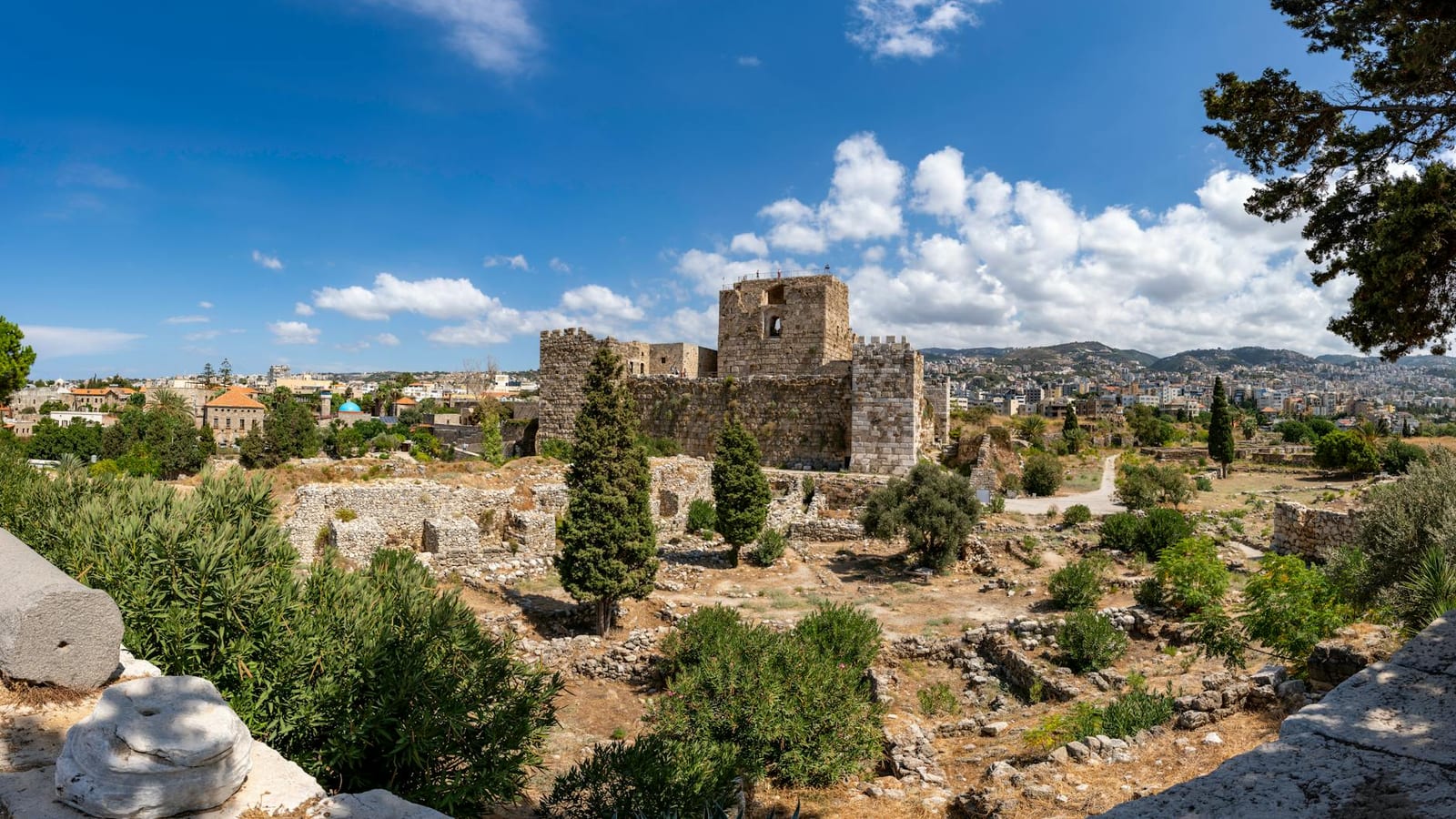
Strikes also landed near Beaufort Castle, a medieval fortress in southern Lebanon. UNESCO has described it as one of the region’s best preserved castle sites.
Other strikes hit near the Qaraoun Dam in eastern Lebanon. It is Lebanon’s largest water reservoir, which makes the location sensitive beyond military concerns.
For travellers, these details matter. Conflict does not only close borders. It can shut roads, scare away hotel staff, disrupt water, and leave visitors stranded.
Israel pushes past buffer lines
Netanyahu said Israeli troops were operating with large forces and controlling areas. He said Israel was strengthening a security strip to protect communities in northern Israel.
Two security sources said Israeli ground operations had moved beyond that strip. They did not give the full extent of the advance.
The area includes what Israeli officials call the Yellow Line. This is separate from the United Nations marked Blue Line, which traces the frontier after Israel’s 2000 withdrawal.
The proposed buffer zone runs around 5 km to 10 km into southern Lebanon. Israeli forces have told residents not to return to many villages in the zone.
That warning tells its own story. When civilians cannot go home, normal movement is already broken.
For Indian travellers, Lebanon has never been a casual beach-and-shopping destination. It attracts history lovers, diaspora visitors, food travellers, and regional business people.
But even experienced travellers struggle when front lines shift. Insurance exclusions kick in. Flights can change. Local drivers may refuse routes they used last week.
Hezbollah hits advancing forces
Hezbollah said it attacked Israeli forces and tanks near Zawtar al-Sharqiya. It said it used explosive drones, rockets, and artillery.
Israel’s military said it was acting beyond its forward defence line. It said the goal was to remove direct threats to Israeli citizens and soldiers.
This is the worrying part. Both sides now describe their actions as defensive. That language often appears when a conflict is spreading, not shrinking.
Lebanon’s health ministry said the Israeli offensive since March 2 had killed 3,213 people and wounded 9,737 by May 26. The ministry linked the escalation to Hezbollah projectiles fired after the start of the Iran war.
Israel’s military said 10 Israeli soldiers had died since the April 16 ceasefire. It said Hezbollah explosive drones killed six of them.
The World Health Organization has said at least 608 people in Lebanon were killed in Israeli attacks since the truce began.
These numbers are not abstract for ordinary people. They mean packed hospitals, closed schools, broken shops, and families moving before sunset.
Why travellers should pause
This is where the travel angle becomes very practical. A place can remain technically open while becoming deeply unsuitable for visitors.
A traveller may still find a flight into Beirut. A hotel may still take bookings. A restaurant may still answer the phone.
But that does not mean the wider trip is safe. Southern and eastern Lebanon now carry risks that change by the hour.
Indian travellers should watch official advisories before making any plan. They should also check airline rules, refund windows, and war exclusions in travel insurance.
Many policies do not cover active conflict zones. Some will reject claims if the government has advised against travel.
That matters for families too. A wedding visit, a heritage trip, or a business meeting can become expensive if evacuation costs fall on the traveller.
There is also a cultural loss here. Lebanon is not just a conflict headline. It is a country of ancient towns, layered food traditions, mountain villages, and coastal cities.
When fighting reaches near Beaufort Castle, the damage is not only military. It cuts into memory, tourism, and the small businesses that live around visitors.
The wider region feels it
This escalation also sits inside a larger regional crisis. Iran has accused the United States of violating a separate truce by striking southern Iran.
That wider frame matters for air travel. Airlines hate uncertainty more than distance. They can reroute aircraft, cancel services, or avoid airspace with little warning.
For Indian passengers, this can show up as longer routes, missed connections, or higher fares on West Asia linked journeys.
It can also affect workers and students. Many Indians travel through the region for jobs, family visits, and onward flights.
A conflict around Lebanon does not stay neatly inside one country’s travel advisory. It can ripple through airports, shipping routes, fuel prices, and regional sentiment.
Tour operators will now have to make hard calls. Selling a trip to Beirut or the Bekaa Valley during active strikes is not normal risk.
Even travellers who enjoy difficult destinations need clear limits. Curiosity is not a plan. A cheap fare is not a safety strategy.
The smarter move is patience. Wait for firm ceasefire conditions, stable flight schedules, and clear official guidance.
Lebanon has survived more than most countries should have to bear. Its appeal to travellers comes from that same layered history and stubborn warmth. But right now, the honest advice is simple. Let residents, aid workers, and diplomats deal with the crisis. Ordinary travellers should stay away until the map stops moving.