Pakistan, Qatar push Iran-US talks as gaps remain
Pakistan and Qatar renewed mediation between Iran and the US, but Rubio and Tehran signalled slow progress with implications for fuel costs and travel.
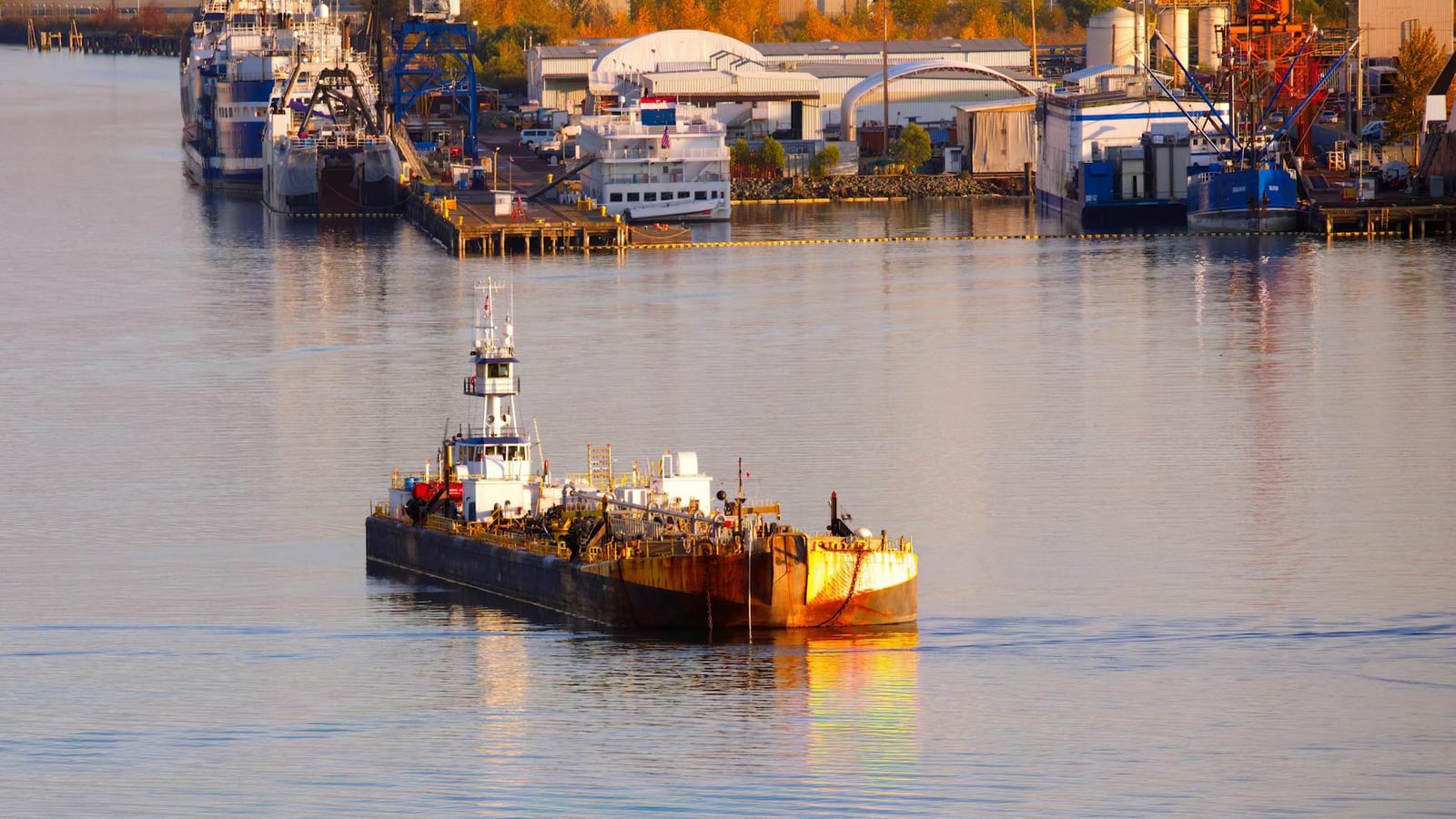
A tanker delay in the Gulf can quietly show up in an Indian family’s holiday budget weeks later.
That is why the latest diplomatic rush around Iran is not some distant West Asian chessboard. It sits close to India’s fuel bill, airfares, Gulf jobs, and the travel plans of millions who move between India and the region every year.
Pakistan Army chief Asim Munir reached Tehran on Friday, as Pakistan and Qatar pushed fresh mediation between Iran and the United States. The mood, though, remains cautious. US Secretary of State Marco Rubio said talks had moved, but not enough.
Talks move, but slowly
Rubio told reporters after a NATO ministers’ meeting in Sweden that negotiators had made some progress. He also made clear that nobody should expect a quick handshake.
Iran sounded even less optimistic. Foreign ministry spokesman Esmaeil Baghaei said the differences with Washington remain deep. That is diplomat-speak for a large gap still sitting on the table.
Munir’s Tehran visit matters because Pakistan has tried to position itself as a bridge. Earlier, Pakistani Interior Minister Syed Mohsin Naqvi also met Iranian Foreign Minister Abbas Araqchi in Tehran.
Qatar has entered the same space with its own negotiating team. That fits a familiar pattern. Doha often acts as a quiet room where rivals can test ideas without public drama.
Hormuz keeps markets nervous
The most urgent worry is the Strait of Hormuz. Around one-fifth of the world’s oil and liquefied natural gas moves through this narrow route.
For ordinary Indians, that sounds technical until petrol prices, aviation fuel, and shipping costs start moving. Airlines are especially sensitive to fuel costs. When oil stays expensive, cheaper tickets become harder to find.
Iran has proposed a tolling system for ships using the strait. Rubio called that unacceptable. Washington also says Iran must fully reopen the waterway.
The US has not asked NATO for military help there, Rubio said. But he added that contingency planning remains necessary. In plain English, everyone is still preparing for the bad option.
That is the part markets hate. Traders can handle bad news better than unclear news. Uncertainty keeps oil prices jumpy and pushes investors towards safer assets.
Uranium dispute blocks a deal
The second big dispute is Iran’s stockpile of highly enriched uranium. This is uranium processed to a level close to what a weapon would need.
The US wants Iran to send that stockpile out of the country. Iran has resisted that demand. Senior Iranian voices have indicated that Tehran does not want the material transferred abroad.
Baghaei also suggested that talks could slow further if Washington insists on detailed discussion of the stockpile. He said nuclear issues are not part of active discussions at the moment.
That leaves both sides talking, but not yet about the hardest item. Anyone who has watched these negotiations before knows the pattern. The easy language arrives first. The painful trade-offs come later.
The US and Israel say their aim is to weaken Iran’s nuclear and missile programmes. They also want to limit Tehran’s support for armed groups in the region. Iran says it will not give up its core security cards under pressure.
Why Indians should care
India is not at the negotiating table, but it will feel the result. The Gulf sits inside India’s daily economic life.
Millions of Indians work across West Asia. Families depend on remittances from the region. Business travellers, tourists, students, and workers move through Gulf airports every day.
If the strait stays unstable, travel costs can rise even without a direct flight ban. Aviation fuel becomes costlier. Shipping delays raise prices. Insurance charges for vessels can climb.
A family planning a Dubai break, a worker flying back from Doha, or a small importer waiting for cargo may not follow every diplomatic sentence. But they can feel the bill when the region heats up.
There is also the rupee angle. Oil pressure can widen India’s import bill. When India pays more for crude, the strain can reach inflation, interest rates, and household spending.
That is why oil prices rose again on Friday. The dollar also stayed near a six-week high, as investors weighed the risk of deeper disruption.
A ceasefire under pressure
This push comes six weeks into a fragile ceasefire after months of conflict involving Iran, the US, and Israel. The fighting had escalated after US-Israeli airstrikes began on February 28.
Iran later struck Gulf states hosting American military bases. Fighting also returned between Israel and Hezbollah in Lebanon.
Thousands have died in Iran and Lebanon since the war began. That human cost often gets buried under words like corridor, stockpile, and strategic interest.
For people in the region, this is not a market chart. It is a daily calculation of safety, work, school, and whether travel plans can hold.
Iran sent its latest proposal to Washington earlier this week. Its demands reportedly include sanctions relief, compensation for war damage, access to frozen assets, and recognition of its control measures in Hormuz.
US President Donald Trump has rejected several such demands before. That makes the current round less like a final lap and more like another difficult bend.
For Indian readers, the sensible takeaway is simple. Watch Hormuz, not just the headlines. If diplomacy lowers the temperature there, fuel and travel markets can breathe. If talks drag or fail, the cost may travel quietly, through every airfare, freight bill, and petrol pump receipt.