Syria Pushes Back on Trump Plan for Hezbollah Fight
Trump's suggestion that Syria could take on Hezbollah has stirred alarm in Lebanon and tested Washington's regional diplomacy with Damascus.
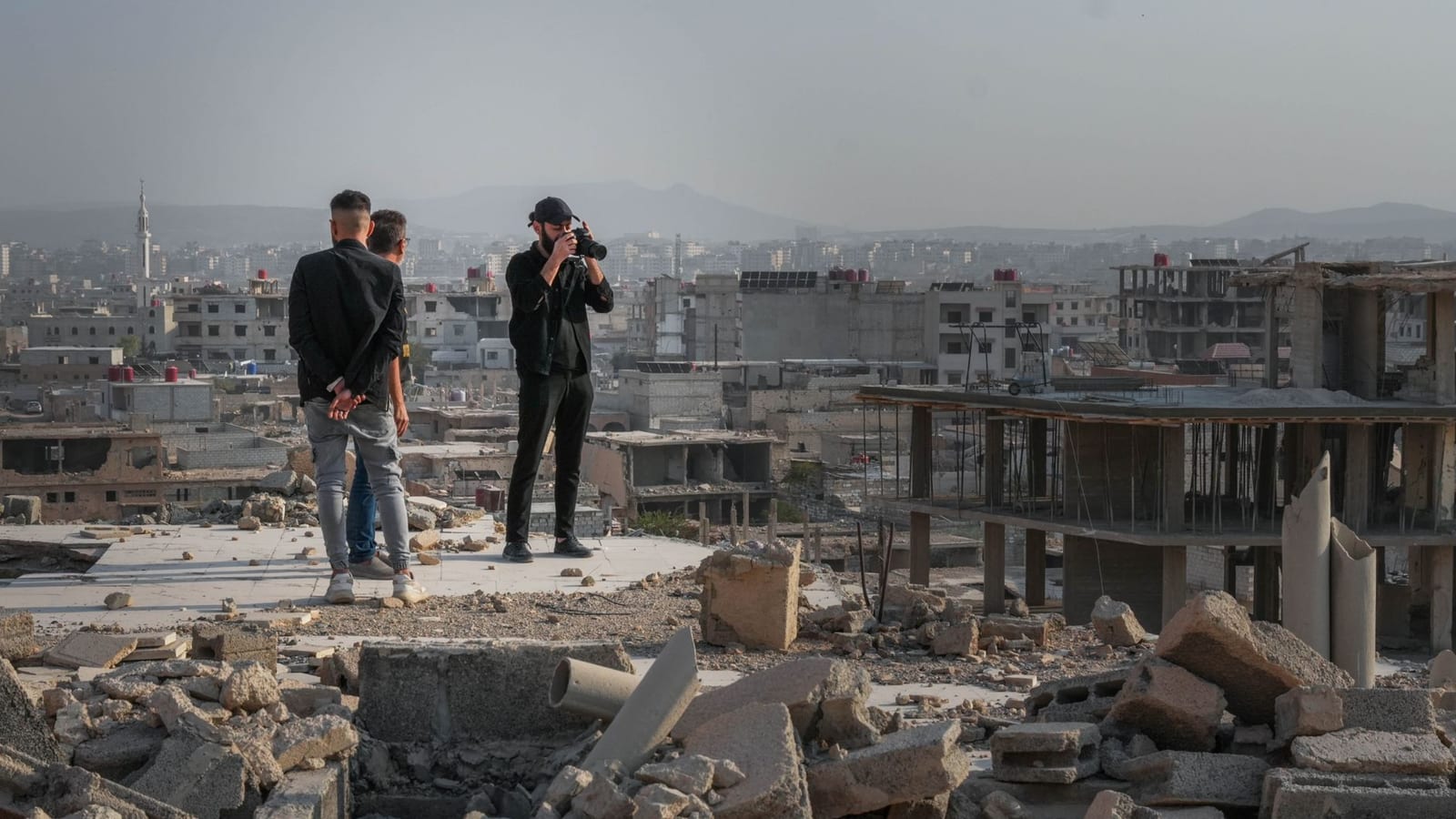
One sentence in Washington can still make Beirut hold its breath.
When Donald Trump said he was “close to giving it over to Syria,” he meant the Hezbollah problem. To anyone in Lebanon, that sounded less like strategy and more like another door opening to war.
The remark followed Trump’s meeting with Ahmed al-Sharaa in Washington, described as the first visit by a Syrian president to the US capital. The meeting took place before the exchange surfaced on June 22, 2026, and it quickly became a regional test.
Washington’s risky Syria suggestion
Trump’s complaint was blunt. He argued that Israel had not finished the fight against Hezbollah quickly enough. He also criticised the destruction caused by the conflict.
He warned that a long fight could hurt wider talks involving Iran. That matters because Hezbollah does not sit alone. It sits inside a web of Iranian influence, Lebanese politics, Israeli fears, and Syrian history.
Then came the line that travelled across the region. Trump said he was “close to giving it over to Syria.” He did not spell out a military plan. Still, the message sounded explosive.
Was Washington asking Damascus to confront Hezbollah? Would Syrian troops cross into Lebanon? Or was Trump using pressure talk to move negotiations? In West Asia, even loose words can move markets, borders, and militias.
Damascus chooses talks over troops
Al-Sharaa chose his answer carefully. Speaking to Arab media, he said Trump’s comments had been read the wrong way. He argued that Trump supported a Syrian role in peace, not another armed move.
He rejected the idea that Syria would march into Lebanon. He said Lebanon would not be fixed by war, nor by “the bombing of cities.” That sentence mattered because it sounded unlike the old Syrian script.
For decades, Syria treated Lebanon as a backyard. Syrian forces entered during Lebanon’s civil war in 1976. They stayed until 2005, when pressure after Rafik Hariri’s assassination forced them out.
That history still sits heavy in Lebanon. Many Lebanese remember Syrian intelligence, checkpoints, and political pressure. So any hint of a Syrian military return carries old fear.
Al-Sharaa knows this. He spoke instead about economic links, support for Lebanese state institutions, and solutions all sides could accept. He even left space for dialogue with Hezbollah, if it protected Lebanese and Syrian interests.
Hezbollah’s old alliance looks weaker
This is where the story gets interesting. Hezbollah once stood close to Bashar al-Assad’s Syria. During Syria’s war, the group fought to help keep Assad in power.
That partnership had hard logic. Hezbollah needed Syria as a land bridge to Iran. Assad needed Hezbollah’s fighters. Iran needed both to keep its regional line alive.
Al-Sharaa leads a different Damascus after Assad’s removal. His government wants reconstruction, money, legitimacy, and breathing space. A new fight inside Lebanon gives Syria none of those things.
That does not mean Damascus has suddenly become friendly to Hezbollah. Al-Sharaa called the group a deep problem. But he separated problem-solving from bombing, and that is the shift.
Hezbollah will read that carefully. The group avoids a new Syrian front, at least for now. But it also loses the comfort of assuming Damascus will always stand beside it.
Lebanon’s economy cannot absorb shocks
For ordinary Lebanese, the most immediate relief is simple. Another army may not enter the field. In a country already exhausted, that is not a small thing.
Lebanon’s economy has been in collapse since 2019. Banks locked many people out of their own savings. The currency crashed, salaries shrank, and power cuts became routine.
War does not just destroy buildings. It freezes trade, scares away visitors, shuts restaurants, raises insurance costs, and drains families who already live month to month. A Beirut shopkeeper does not need another strategic theory. He needs customers.
Syria’s restraint may also help border commerce. Lebanon and Syria share family ties, labour flows, smuggling routes, and legal trade. Any military move would squeeze all of them at once.
The Lebanese state remains weak. Hezbollah still holds military power beyond the army’s control. That imbalance lies at the centre of Lebanon’s crisis. But a Syrian promise to support state institutions, not attack cities, gives Beirut a little more room.
Why India should watch this
This may look far from India, but West Asia rarely stays far. Indian households feel the region through petrol pumps, flight tickets, shipping bills, and remittances.
A wider Lebanon conflict can push oil traders into panic. India imports most of its crude, and even a small price rise affects diesel, groceries, and transport. It reaches the family budget quickly.
Shipping is another quiet channel. When insurers see risk in West Asia, freight costs can rise. Indian exporters and importers then pay more to move goods, even if their cargo never touches Lebanon.
Aviation also feels the tremor. Airlines can reroute flights when airspace looks risky. That means longer journeys, higher fuel burn, and costlier tickets for students, workers, tourists, and families flying through the Gulf.
Then there is the human link. Millions of Indians work across West Asia. Lebanon itself hosts a smaller Indian presence, but wider regional tension can unsettle workers, employers, and remittance flows.
Al-Sharaa’s reply does not solve Lebanon’s crisis. It does something more modest, but still useful. It slows one dangerous idea before it becomes policy. The next test is whether diplomacy can carry real weight. For ordinary people, from Beirut to Mumbai, that is the only kind of progress that matters: fewer explosions, less theatre, and one more day where life can continue.