Trump warns Oman as Hormuz tension threatens fuel costs
Trump's warning to Oman over the Strait of Hormuz raises fresh concern for India, where Gulf shipping disruption can lift fuel and travel costs.
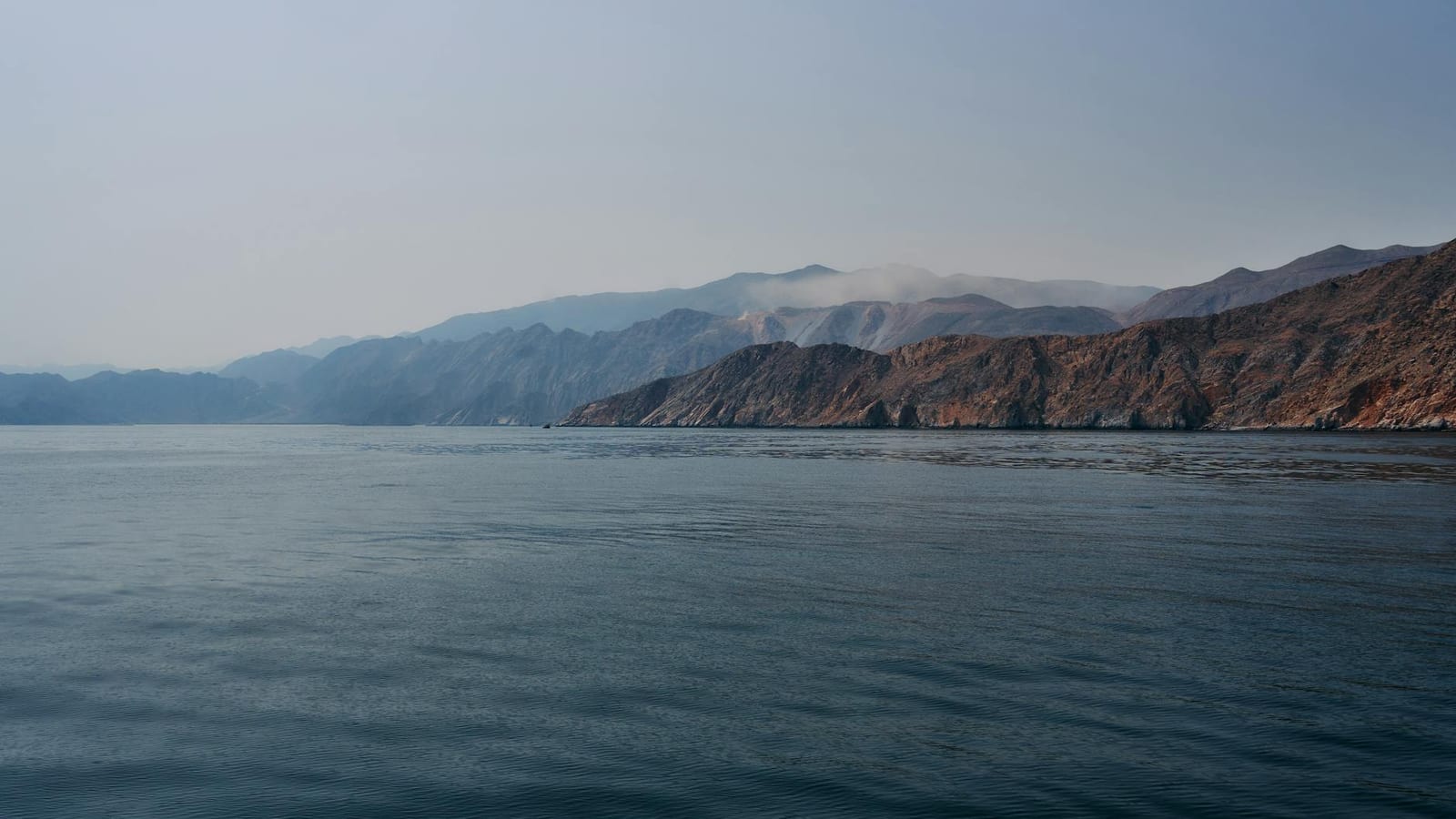
A narrow strip of water near Oman can still shake a family budget in India.
That is the simple truth behind the latest flare-up over the Strait of Hormuz. When ships slow there, petrol pumps in Pune, airfares from Delhi, and grocery bills in Kochi can all feel the heat.
Donald Trump has now turned that pressure into a public threat. At a White House meeting, he said no country would control the strait, not even Oman. He warned that Oman must “behave” like others, or face force.
Hormuz is not just distant water
The Strait of Hormuz sits between Iran and Oman. It links the Gulf to the Arabian Sea. For India, that is not a map detail. It is an energy lifeline.
Before the conflict escalated this year, nearly one-fifth of global oil and liquefied natural gas moved through this route daily. India depends heavily on imported oil. So any trouble there travels fast.
A refinery, an airline, a trucking company, and a middle-class household all read Hormuz differently. But they all end up asking the same question. Will fuel get costlier?
That is why Trump’s words matter beyond Washington and Muscat. Markets dislike uncertainty. Shipping firms dislike military risk even more. Insurance costs rise first. Then transport costs follow.
For Indian travellers, this can show up quietly. A summer airfare may inch up. A package tour may become pricier. A cab ride from the airport may cost more.
Oman caught in a harsh spotlight
The sharpest part of Trump’s comment was its target. Oman has long played the quiet middleman in Gulf diplomacy. It has helped keep channels open between Washington and Tehran.
Muscat also works closely with the United States on security. So the threat sounded jarring, even by Trump’s usual style.
The dispute began after Iranian state television described a possible draft framework. It claimed Iran and Oman could oversee shipping through Hormuz. Commercial movement, it said, could return to earlier levels within 30 days.
The same account said the United States would reduce its military presence near Iran. It also said Washington would end what Tehran calls a naval blockade.
The White House rejected that version outright. It called the draft false and warned people not to trust Iranian state media. Trump then said the strait would remain open under international rules.
The phrase “international waters” sounds clean. In practice, it gets messy. Ships, naval patrols, mines, drones, missiles, and insurance lawyers all enter the picture.
Oman’s role matters because it sits beside the route. It also has credibility with both sides. If Muscat gets pushed around publicly, diplomacy becomes harder, not easier.
Iran talks remain badly stuck
The Hormuz fight is only one piece of the larger Iran crisis. The other piece is nuclear fuel.
Washington wants Iran to give up highly enriched uranium. That is uranium processed close enough to weapons-grade levels to alarm any rival power.
Trump has ruled out sanctions relief in exchange for that handover. In plain English, he wants Iran to surrender a major bargaining chip without getting economic relief in return.
Iranian officials want nuclear issues discussed in a second phase of talks. That means Tehran is trying to separate shipping, military presence, and nuclear limits.
US Secretary of State Marco Rubio gave no sign of softness. He said Iran would not get a nuclear weapon. That line has shaped American policy for years, across presidents.
Trump also used the Iran talks to revive another goal. He wants more Muslim-majority nations to join the Abraham Accords, which normalised ties between Israel and some Arab states.
He named Saudi Arabia, Qatar, Pakistan, Turkey, Egypt, and Jordan. He said they should formally join the framework. He also suggested Iran progress may depend on that wider diplomatic push.
That is a very large basket of demands. It mixes shipping, sanctions, nuclear fuel, Israel ties, and Gulf security. Each subject alone can stall talks for months.
When leaders bundle everything together, they may create pressure. They may also create too many reasons for talks to fail.
Why India should pay attention
For India, the first concern is energy. Expensive crude can disturb almost everything. The rupee can weaken. The import bill can rise. Inflation can turn sticky.
That matters to ordinary people in direct ways. Young professionals paying home loans already watch food and fuel costs closely. Small business owners feel transport costs before balance sheets explain them.
Travel is another pressure point. Long-haul flights burn serious fuel. Airlines may protect margins through higher fares or fuel surcharges. Families planning Gulf visits could pay more.
The Gulf also matters because millions of Indians live and work there. Any military tension around shipping lanes affects ports, employers, contracts, and remittances.
Oman itself is not just a strategic dot for India. It is a familiar Gulf stop for workers, traders, and travellers. Muscat has long been seen as quieter than many regional capitals.
That calm image now faces an awkward test. If Oman becomes part of a public shouting match, travellers will watch advisories more closely. Companies will watch cargo schedules.
There is also a psychological effect. The Middle East often feels far away until fuel prices move. Then suddenly, a naval sentence in Washington enters an Indian household budget.
The real risk is miscalculation
Trump says nobody will control Hormuz. Iran signals it wants conditions before normal movement returns. Oman may prefer quiet mediation. Ships still need to pass.
That is a tense combination.
The danger is not only a planned war. It is a mistake at sea. One nervous crew, one drone incident, one misunderstood patrol could send markets racing.
Diplomacy works best when leaders leave each other some room. Public threats reduce that room. They make compromise look like weakness.
For now, no final deal exists. The White House denies the reported draft. Iran keeps signalling terms. Washington keeps pressing on uranium and regional alliances.
Indian readers do not need to memorise every diplomatic line. The basic point is simpler. A narrow waterway has become a pressure valve for oil, war, and politics.
If leaders keep it open, prices may calm and travel plans may survive. If they turn it into a test of pride, ordinary people will pay first, at the pump, at the airport, and in the monthly budget.