US Denial Of Hormuz Draft Keeps India Fuel Risk Alive
Washington rejected an Iranian claim on a Hormuz shipping draft deal, keeping oil, aviation fuel and Gulf travel risks in focus for India.
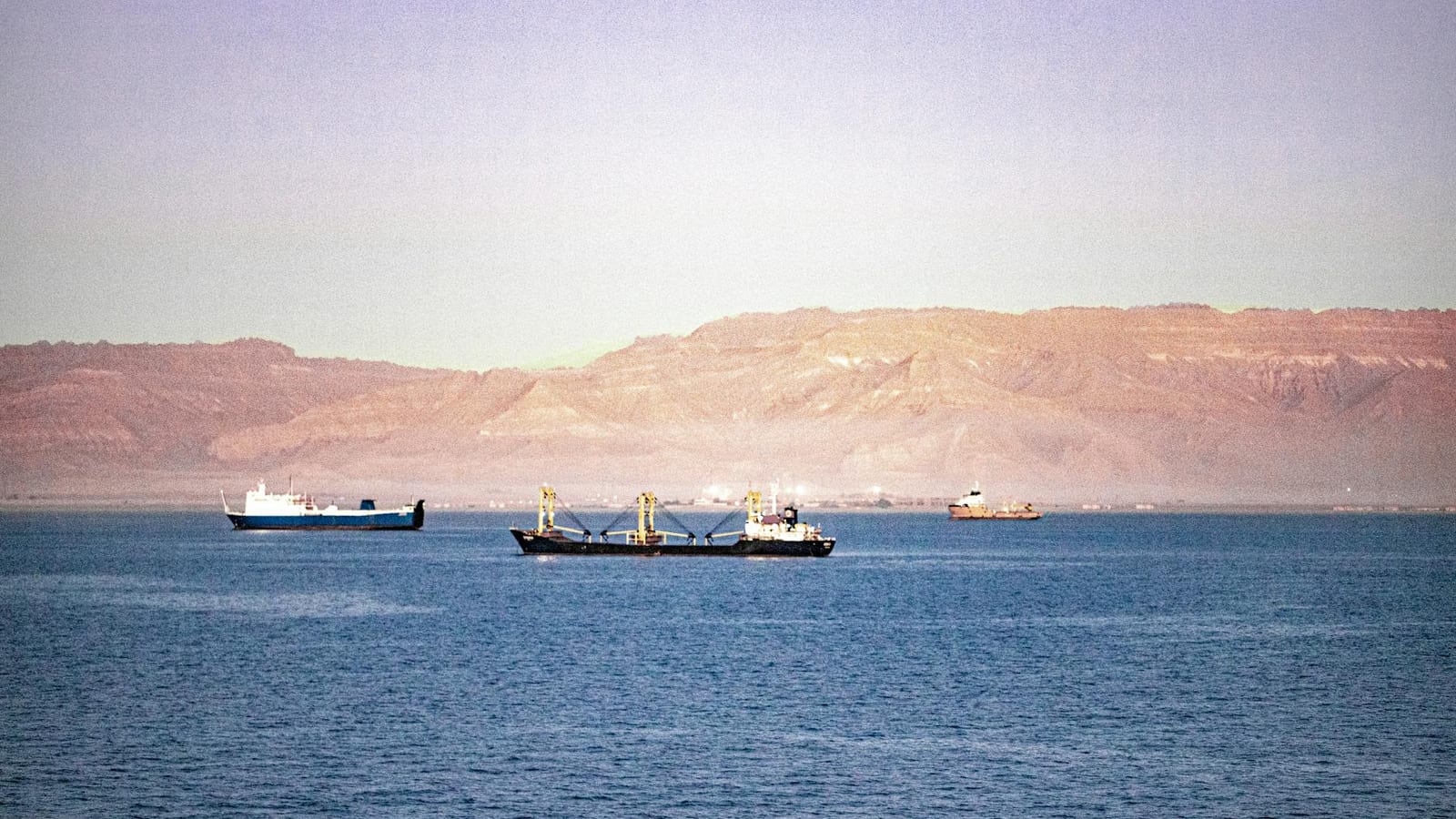
A narrow sea lane near Iran can quietly decide what Indians pay for flights, fuel and Gulf travel.
That is why the fresh noise around the Strait of Hormuz matters far beyond war rooms. For India, this is not some distant map-point. It sits close to oil, shipping, migrant workers, airlines and family travel to the Gulf.
On Wednesday, Iran state media claimed a draft understanding with Washington could reopen commercial shipping through the strait. The White House quickly rejected that claim and called the reported document false.
Hormuz sits at the centre
The Strait of Hormuz carries nearly one-fifth of the world’s oil supply in normal times. That makes it one of the planet’s most watched trade routes.
For Indian consumers, that sounds abstract until petrol, diesel and aviation fuel prices move. Airlines watch fuel costs closely because fuel forms a large part of ticket pricing.
Families flying to Dubai, Doha, Muscat or Riyadh may not follow naval movements. But they feel the impact when fares rise before holidays or work trips.
Iranian state television claimed commercial shipping could return to pre-war levels within 30 days under the reported draft. It also said the United States would reduce its military presence near Iran.
Washington denied the report within hours. The White House said the document released through Iranian state media was not genuine.
That sharp denial tells us one thing clearly. Talks may be happening, but both sides want control over the public story.
Tehran wants control, not reset
Iran’s messaging suggests it does not want a simple return to the old system. Tehran appears to want a larger say over ship movement through Hormuz.
Iranian outlets said the Islamic Revolutionary Guard Corps had coordinated vessel movement through the route. They reported 23 vessels crossed in one day, after 25 the previous day.
The reported framework also said Iran would work with Oman on traffic management. Oman often plays a quiet diplomatic role in Gulf disputes.
But Iranian media also said vessels linked to “hostile countries” would remain barred. That condition matters because it keeps political judgment inside a trade route.
For shipping companies, uncertainty can hurt almost as much as a closure. Insurers raise costs when they fear attacks, mines or sudden naval action.
Those higher costs can move through the system. Oil traders, refiners, airlines and logistics firms all pass pressure down the chain.
A small business importing goods from the Gulf may not discuss Hormuz daily. But freight delays and higher fuel costs can quickly disturb its pricing.
Washington keeps pressure on Iran
Donald Trump has ruled out sanctions relief for Iran’s highly enriched uranium. He told PBS News that Iran would not receive relief for handing over such material.
That hard line makes any deal harder. Iran wants visible concessions. Washington wants proof that Tehran has stepped back from dangerous military and nuclear positions.
Trump also told reporters that Iran wanted a deal, but had not yet met American expectations. He said the United States was not satisfied so far.
Those comments carry a familiar pattern. Both sides speak of talks, yet neither wants to look weak at home.
The White House also faces pressure to avoid another Gulf escalation. A wider conflict near Hormuz would trouble oil markets quickly.
For India, that would come at an awkward time. The country depends heavily on imported crude, and global price swings affect inflation.
Even when the government absorbs some shock, someone pays eventually. It may be the state, oil companies, airlines, truckers or ordinary households.
Indian travellers should watch prices
This story sits in the travel beat because Gulf stability shapes Indian movement in real ways. Millions of Indians travel through Gulf hubs for work, family visits and onward connections.
A Mumbai to London traveller may pass through Dubai or Doha. A nurse from Kerala may fly to Muscat after a short break home.
A young professional going to Saudi Arabia for a new job may book at short notice. Higher fuel costs and route uncertainty can make that ticket dearer.
Airlines do not change fares only because of one headline. They price routes using demand, fuel, competition, currency and airport costs.
But prolonged tension near Hormuz can make fuel markets nervous. That nervousness can show up in fares, especially on busy Gulf-linked routes.
Travel insurance also becomes more relevant during such moments. Travellers should read policy exclusions around war, civil unrest and route disruptions.
Most tourists do not need to panic over every diplomatic claim. But they should book flexible tickets when regional tension rises.
That advice matters for families planning summer Gulf visits. It also matters for students, workers and business travellers with tight dates.
A draft deal, or theatre
The reported draft mentioned a possible path to a United Nations Security Council resolution within 60 days. That would give any deal stronger international weight.
But the big questions remain open. No one has confirmed where leaders would sign such an agreement. No one has confirmed when.
Iranian media also said Tehran wanted “tangible verification” before implementing any agreement. In plain English, Iran wants proof before action.
Washington, meanwhile, says the reported memorandum itself is false. That leaves the public with two competing versions of reality.
This is how diplomacy often looks before a breakthrough, or before collapse. Both sides test language, signal limits and shape expectations.
The tricky part is Hormuz itself. It is too important for symbolic politics, yet perfect for pressure tactics.
A full shutdown would hurt many countries, including Iran’s own neighbours. But partial control, delays and selective bans can still create fear.
For India, the lesson is simple. A dispute at sea can enter household budgets faster than we think.
The next few days will show whether this was noisy posturing or the start of serious talks. Either way, Indian travellers and businesses should watch fuel, fares and Gulf schedules closely. In a connected world, a narrow strait can widen the distance between plans and reality.