US Iran draft plan sets phased reopening of Hormuz
A draft US-Iran understanding could ease the Hormuz blockade in phases, helping restore shipping flows and relieve pressure on fuel costs.
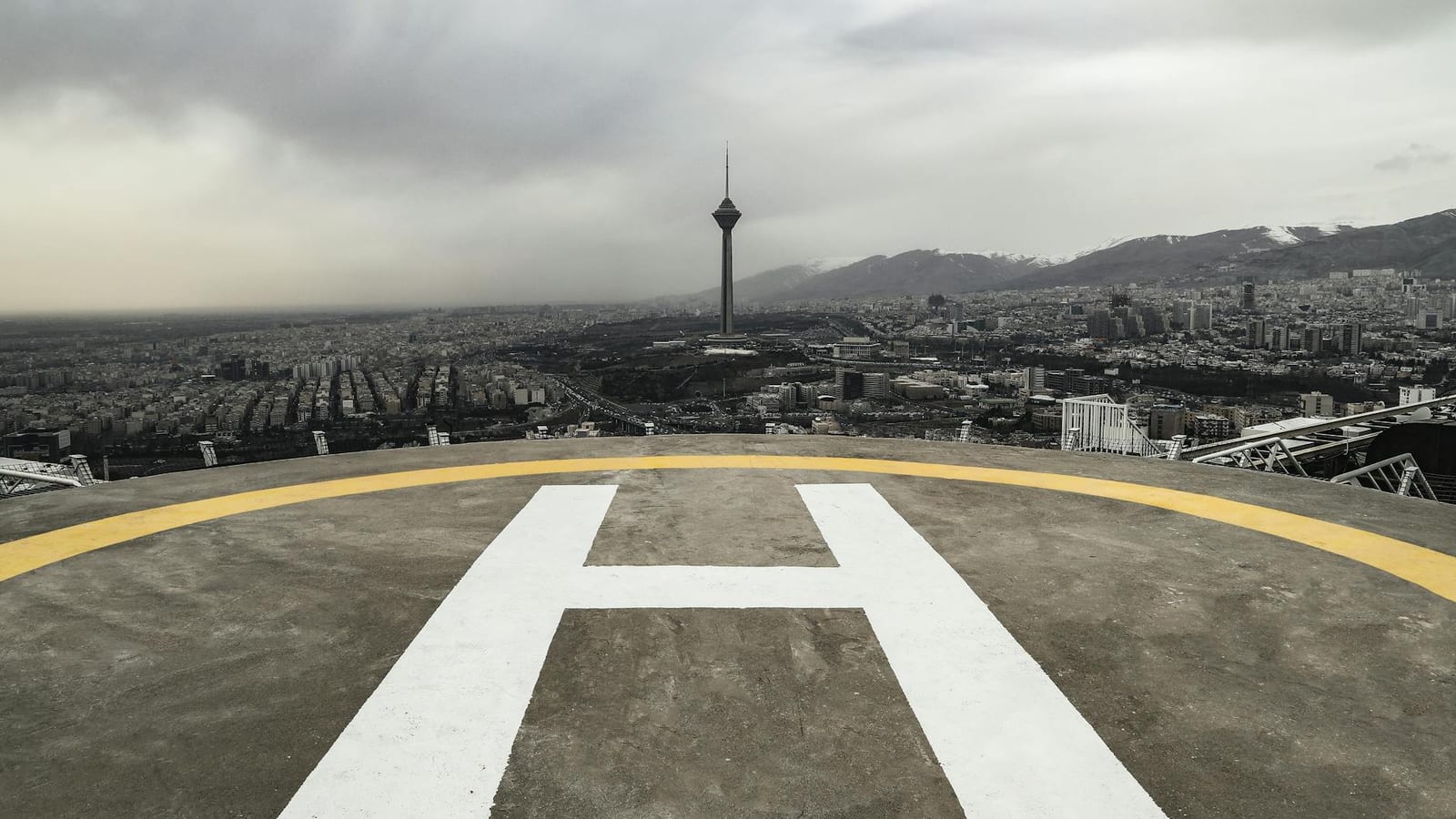
For anyone booking a summer flight, this is not some distant naval drama. A narrow strip of sea near Iran can decide what you pay for petrol, airline tickets, and even groceries.
That strip is the Strait of Hormuz, and it may soon breathe easier.
A draft understanding between United States and Iran proposes that shipping through the strait return to normal within 30 days. If it holds, one of the world’s most dangerous energy choke points could reopen after months of fear.
Hormuz could reopen in a month
Before the conflict began in February, about 125 to 140 ships crossed the Strait of Hormuz every day. That traffic dropped sharply after Iran tightened control over the waterway and the US restricted shipping linked to Iranian ports.
The draft plan now under discussion would lift the naval blockade around the strait in phases. It would also release part of Iran’s frozen overseas funds in the first stage.
For ordinary Indians, this matters more than it may first appear. Hormuz is not just a shipping lane on a map. It is a pressure point in the global fuel system.
A large share of West Asian oil and gas moves through this passage. When ships slow down here, oil traders get nervous. When traders get nervous, prices rise. When prices rise, airlines, transporters, factories, and households all feel it.
That is why even a 30-day timeline can calm markets. Traders do not need perfection. They need proof that tankers can move without fear.
Rubio signals progress in Delhi
US Secretary of State Marco Rubio gave the talks a clear push during his visit to India. Speaking in New Delhi with External Affairs Minister S Jaishankar, Rubio said there had been serious movement.
He said progress had been made over the past 48 hours on an outline to resolve the Hormuz crisis. He also said more news could come soon, though he stopped short of calling it final.
US President Donald Trump raised expectations further. In a post on Truth Social, he said Washington and Tehran had largely negotiated a framework for a deal.
Trump said the final details were still being discussed. That line matters, because West Asia has seen many almost-deals collapse at the last turn.
Pakistan is also reported to have helped with the talks. The proposed framework may include relief for Iranian oil exports, easier shipping rules, and regional security guarantees.
For India, the timing is notable. Rubio’s remarks came from New Delhi, not Washington. That tells you how much this crisis touches Asia’s big energy buyers.
India imports a large part of its crude oil needs. Any shock in global oil prices quickly travels into the domestic economy. It affects fuel bills, airline fares, logistics costs, and inflation.
Nuclear question remains unsettled
The biggest shadow over the talks remains Iran’s nuclear programme. Tehran has not accepted nuclear curbs as part of the immediate Hormuz arrangement.
The current draft appears to separate two clocks. One clock gives 30 days for shipping to return to normal. The other gives 60 days for future talks on nuclear issues.
That split is clever, but risky. It allows both sides to solve the urgent shipping problem first. Yet it also leaves the harder dispute alive.
Iranian President Masoud Pezeshkian said Iran was ready to reassure the world that it did not seek nuclear weapons. At the same time, he said Iran would not compromise on its dignity or core interests.
Iran has long said its uranium enrichment is meant for civilian use. Western governments remain worried because Iran has enriched uranium to levels far above ordinary power needs.
One claim said Iran had agreed in principle to give up its stockpile of highly enriched uranium. An Iranian figure later denied that, saying the nuclear issue was not part of the first agreement.
The International Atomic Energy Agency has estimated that Iran holds nearly 400 kg of uranium enriched to 60 percent purity. That level is close to what worries nuclear watchdogs.
This is the part where diplomacy becomes a balancing act. The US wants a deal that looks tough on nuclear risk. Iran wants relief without appearing to surrender.
Oil markets are watching closely
Brent crude prices have risen more than 40 percent since the conflict began earlier this year. That rise has already made energy markets jumpy.
For a family planning a holiday, oil sounds abstract until flight prices climb. For a small transporter, it becomes real when diesel eats into margins. For a restaurant owner, it appears in cooking gas, delivery charges, and food costs.
Travel businesses also watch these numbers closely. Airlines hate fuel uncertainty because jet fuel forms a large part of their costs. Hotels and tour operators then face nervous customers who delay bookings.
This is why the travel angle is not forced here. A crisis at Hormuz can change the cost of a long weekend in Goa, a Gulf connection flight, or a Europe package.
Indian travellers have become more price-sensitive after years of fare spikes. Young professionals may still travel, but they compare harder. Families may cut one city from an itinerary. Small tour operators may avoid fixed-price packages.
If Hormuz traffic returns to normal within 30 days, it could ease some pressure. It may not make tickets cheaper overnight. But it can stop prices from running away.
Oil markets often react to fear before facts. A credible reopening plan can reduce that fear. Still, traders will wait for ships to actually move.
The deal still needs trust
The proposed deal has three moving parts. First, shipping must resume safely. Second, sanctions relief must happen in a way both sides can sell at home. Third, nuclear talks must not derail the first two.
That is a lot to manage in a region where trust is thin. Iran will want proof that relief is real. The US will want proof that Tehran will not use breathing room to harden its position.
Israel’s concerns will also shape the mood. So will Gulf countries, which depend on stable shipping and fear another spiral.
For India, the practical question is simpler. Will oil prices cool? Will shipping routes stabilise? Will airlines and fuel companies get a cleaner planning window?
If the answer is yes, the benefit will not arrive with fireworks. It will show up quietly in fewer price shocks, calmer fuel bills, and less panic in global trade.
That is often how good news travels in the economy. Not as a headline people celebrate, but as one less thing making daily life expensive. If Hormuz opens steadily, Indian households may never notice the ships passing through. They may only notice that the next bill hurts a little less.