US Iran tensions put Gulf travel and oil costs at risk
Washington's warning to Tehran raises fresh concern for Indian travellers, Gulf routes and fuel costs as Hormuz security risks remain unresolved.
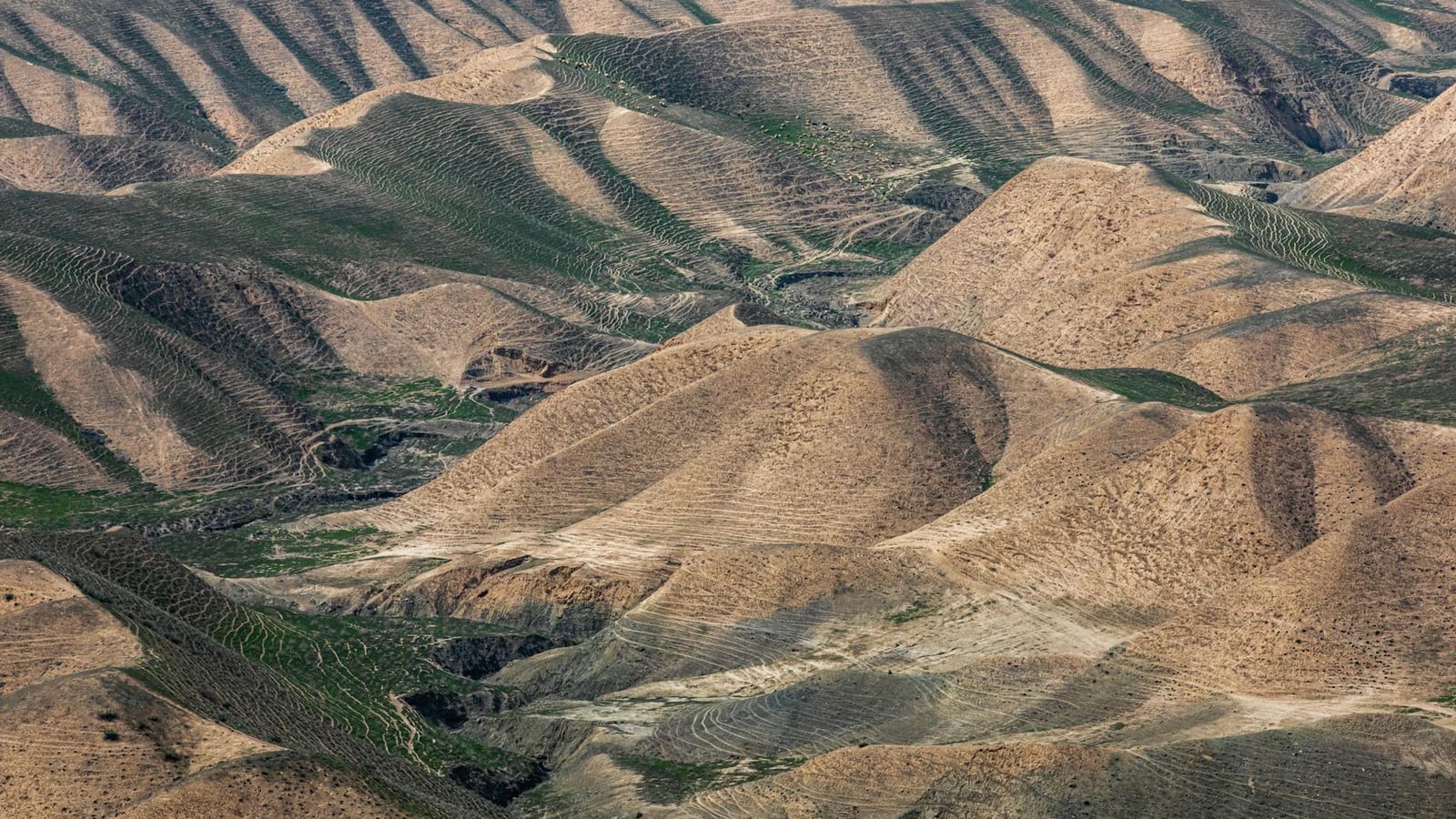
For Indian travellers, the Strait of Hormuz sounds far away until flight fares jump, fuel prices twitch, and Gulf plans start looking shaky.
The latest US warning to Iran is not just another distant security headline. It sits right on a route that matters deeply to India, from crude oil shipments to family travel, student movement, and lakhs of workers flying between India and the Gulf.
At the centre is a fragile truce, a disputed nuclear deal, and a waterway that carries roughly one-fifth of the world’s oil. That is why a sentence from Washington can quickly reach a taxi meter in Kochi, an air ticket counter in Mumbai, or a remittance-dependent home in Kerala.
Washington keeps pressure on Tehran
United States Defence Secretary Pete Hegseth said in Singapore that Washington could resume military action against Iran if talks fail. He spoke at the Shangri-La Dialogue, a major security forum watched closely across Asia.
His message was blunt. The US still wants a deal, but it has not taken strikes off the table. Hegseth also said American military supplies were enough to handle operations in the region and elsewhere.
That line matters because the Middle East is already tense. The US and Israel began a major conflict with Iran on February 28. The fighting has killed thousands, mainly in Iran and Lebanon, and it has shaken energy markets.
For Indians, this is not abstract strategy. The Gulf is one of India’s busiest travel corridors. Families fly there for work, visits, weddings, Umrah connections, and short breaks. Any fresh military flare-up can disturb routes, raise fares, and make insurers nervous.
The Hormuz choke point matters
The biggest pressure point is the Strait of Hormuz. It is a narrow sea passage between Iran and Oman, but its importance is huge. A large share of global oil moves through it.
When Iran effectively shut the passage during the conflict, oil markets reacted fast. Ships were stuck, traders grew anxious, and governments started calculating what higher crude prices would mean.
India imports much of its oil. So even a short shock in Hormuz can hurt ordinary households. Petrol and diesel prices may not change daily for consumers, but the pressure builds through transport, airfares, freight, food movement, and business costs.
Think of a small tour operator selling Dubai packages from Ahmedabad or Lucknow. If aviation fuel becomes expensive, airlines may raise fares. If travellers feel unsafe, bookings slow. The operator then has to handle cancellations, refunds, and worried customers.
The same goes for workers flying to Saudi Arabia, Qatar, Kuwait, Oman, and the UAE. For many families, Gulf travel is not leisure. It is livelihood. A delayed flight or costlier ticket can affect household budgets immediately.
Trump wants a harder deal
Donald Trump said he would make a final call on a proposed agreement after a secure White House meeting. That meeting ended without a decision, after nearly two hours of discussion.
The proposal under discussion would extend an early-April truce by 60 days. The aim is to create space for a longer settlement, especially around Iran’s nuclear programme.
Trump has said Iran must never acquire a nuclear weapon. He has also pushed for the Strait of Hormuz to reopen for international shipping, with sea mines removed.
Washington also wants strict limits on Iran’s enriched uranium. Enriched uranium is uranium processed for nuclear use. At low levels, countries use it for power. At high levels, it can bring a country closer to weapon capability.
Iran has rejected parts of that demand. Tehran says it has not agreed to destroy or hand over nuclear material under the draft being discussed.
That is why the talks look close one moment and stuck the next. Both sides want to show strength at home. Neither wants to look like it gave away too much.
Tehran demands action first
Iranian officials have pushed back against Trump’s version of events. They say no final approval has been given to the draft deal.
Reports linked to Iranian official circles describe the draft as a step-by-step arrangement. In plain English, that means each side acts only after the other side does something first.
Tehran wants access to about $12 billion in frozen Iranian assets. These are Iranian funds blocked overseas due to sanctions. Iran wants that money released before moving into later stages of the deal.
Iran also wants a wider ceasefire in Lebanon. That demand closely tracks the position of Hezbollah, which has been central to the regional fighting.
Iranian political figures have sounded deeply suspicious. Mohammad Bagher Qalibaf said Iran trusts actions, not promises. Mohsen Rezaei, a former commander of the Islamic Revolutionary Guard Corps, accused Washington of using diplomacy while keeping pressure in place.
This mistrust did not arrive yesterday. The US and Iran have spent decades moving between talks, sanctions, threats, and indirect conflict. Every new negotiation carries the weight of old betrayals.
Why India should watch closely
For India, the first concern is energy. Higher crude prices can make everything more expensive, even if the rise looks small at first.
Airlines feel the pinch quickly because fuel is one of their biggest costs. That can affect international routes, especially to the Gulf. Families planning summer or festive-season travel may see fares move sharply if tensions rise.
Tourism also gets hit through fear. Even when a destination remains open, travellers may delay decisions. Parents worry about children studying abroad. Companies avoid non-essential travel. Pilgrimage and leisure plans become harder to price.
The Gulf remains vital for Indian workers. Any disruption in regional aviation or shipping can disturb job movement, contracts, and remittances. These remittances support homes across Kerala, Uttar Pradesh, Bihar, Telangana, Punjab, and Tamil Nadu.
Business travellers have their own worries. Indian firms depend on Gulf markets for construction, retail, healthcare, hospitality, food exports, and services. A tense region means longer planning cycles and higher risk premiums.
There is also the shipping angle. If vessels need extra security, inspections, or insurance cover, costs rise. Those costs rarely stay at sea. They move into shop shelves, factory bills, and consumer prices.
The tricky part is that nobody can price uncertainty neatly. A signed 60-day truce extension could calm markets for a while. A failed meeting, a naval incident, or another strike could undo that calm in hours.
Indian travellers do not need to panic. But they should read this story with practical eyes. Check airline advisories, watch route changes, buy sensible insurance, and avoid assuming Gulf travel will stay cheap through a crisis.
The larger lesson is simple. Global conflict often reaches Indian homes through boring things first: fuel bills, ticket prices, shipping delays, and cancelled plans. If Washington and Tehran find a workable deal, most people will feel it only as quiet relief. If they fail, the cost may arrive without much warning.