Wayanad's En Ooru Puts Tribal Culture on Tourism Map
En Ooru near Lakkidi gives Wayanad a curated tribal heritage stop, linking food, crafts and performances with income for local families.
Mist hangs low over Lakkidi, and the road into Wayanad already feels slower than the rest of Kerala. Then, on a 25-acre hill near Vythiri, a different kind of travel stop appears.
En Ooru, Kerala’s first tribal heritage village, is not built as a quick selfie point. It tries to do something tougher. It wants visitors to see tribal culture as living knowledge, not museum decoration.
That matters in Wayanad, where tourism often sells forests, rain, resorts, and tea views. Here, the state government is also placing tribal food, craft, music, and livelihood at the centre of the trip.
Wayanad gets a tribal village
The Kerala government planned En Ooru to protect tribal heritage and support tribal families with steady income. The site sits near Lakkidi, on Sugandhagiri, close to the popular Wayanad ghat route.
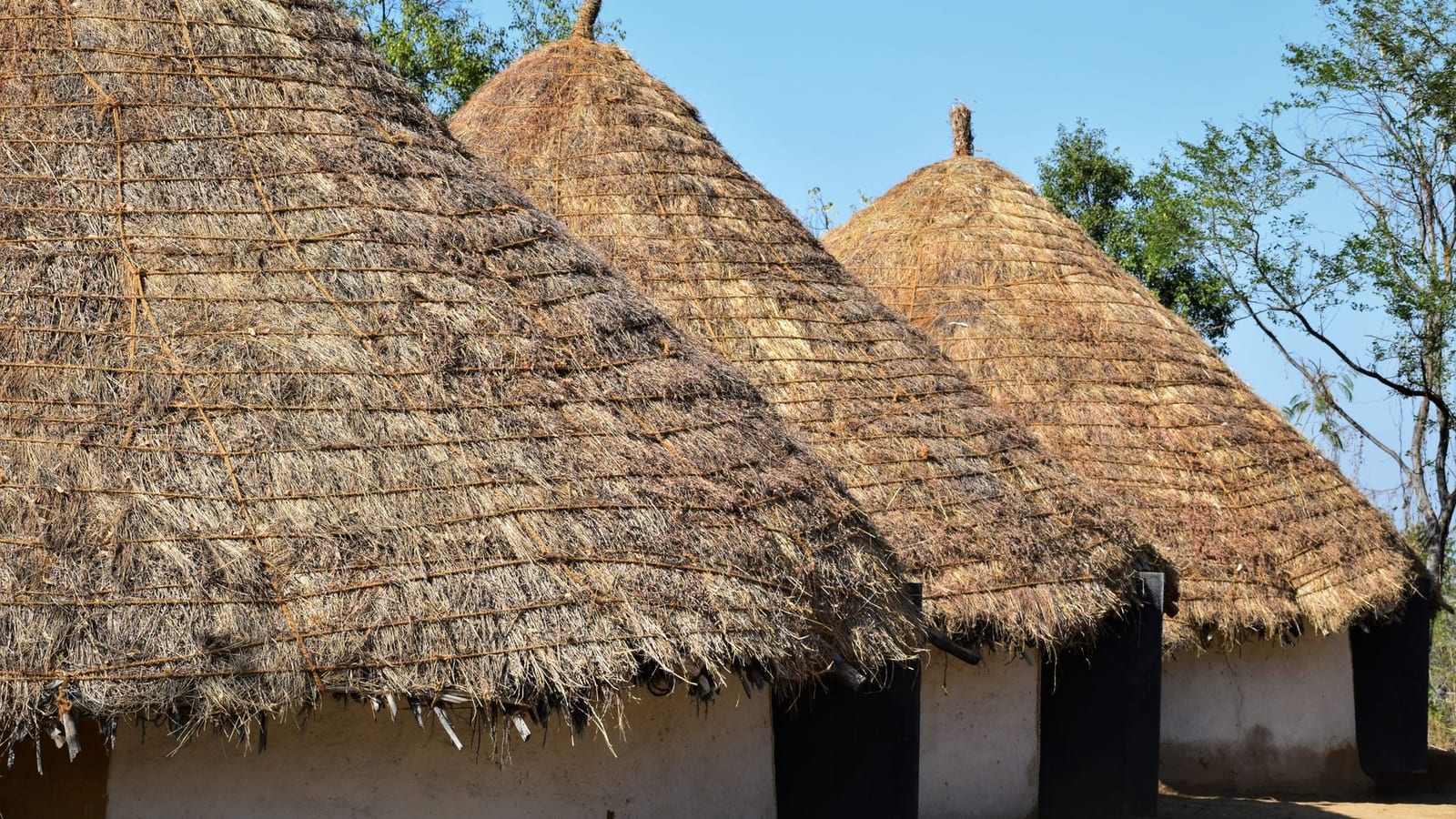
Visitors will see thatched huts, mud-finished spaces, winding pathways, murals, sculptures, craft areas, and open performance spaces. The idea is simple. Walk through a village setting, then understand the people behind it.
For tourists from Bengaluru, Kochi, Kozhikode, or Mysuru, Wayanad often means a long weekend escape. En Ooru adds a different layer to that familiar itinerary.
It asks visitors to slow down. Not every trip needs another viewpoint, resort pool, or cafe stop. Sometimes, the real story sits in food, music, tools, and memory.
Culture beyond resort brochures
Wayanad has long been home to tribal communities such as the Kurichya, Kuruma, Paniya, and Kattunayakan. Their songs, drums, rituals, and craft traditions carry the memory of the region.
En Ooru brings many of these forms into one public space. Daily performances are planned at an open-air theatre. Craft workers will also show how they make traditional products.
The village will sell tribal crafts, bamboo items, cane products, herbal items, forest produce, and traditional farm goods. Forest honey is expected to be among the key attractions.
This matters because tourism income usually leaks away from local communities. Hotels, cab operators, and outside businesses often gain first. En Ooru tries to create a more direct bridge.
A traveller buying a handmade bamboo item may not change an economy. But a steady stream of such purchases can support families across months.
Food carries old knowledge
The most interesting part of En Ooru may not be the huts or performances. It may be the food.
Tribal food in Wayanad grew from forest knowledge, field edges, rain patterns, and health needs. Older generations used many wild greens and edible plants as daily nutrition.
Research by the M S Swaminathan research network had found more than 100 edible wild plants in Wayanad’s tribal food traditions. Among the Paniya community alone, studies noted around 80 leafy greens in use.
These were not fancy restaurant ingredients. People gathered them from nature. Many also carried medicinal value in everyday life.
Over time, some of these tastes have faded even within tribal communities. Changing diets, market food, forest restrictions, and lifestyle shifts have all played a part.
That is why the ethnic food counters at En Ooru are not just tourist attractions. They can help keep memory alive through the plate.
For an Indian traveller, this is an easy idea to understand. Food often preserves what textbooks forget. One dish can hold geography, climate, class, caste, work, and survival.
What visitors should know
En Ooru opens from 9 am to 5 pm. Adult entry is priced at Rs 50, while children pay Rs 20.
Visitors also need to factor in the jeep service. The listed jeep fare is Rs 30 for adults and Rs 20 for children. This is useful for families, older travellers, and anyone visiting during the rains.
The nearest major airport is Kozhikode, about 78 km away. Kannur airport is farther, around 121 km from the site.
Kozhikode railway station is about 62 km away. Mysuru railway station is around 157 km away. Kozhikode bus stand is roughly 60 km away.
By road, Mysuru is about 157 km away, Kochi about 236 km, and Thiruvananthapuram about 429 km. These distances make En Ooru easier for weekend travellers from north Kerala, south Karnataka, and parts of Tamil Nadu.
The official phone number listed for En Ooru is 9778783522. Travellers should call before visiting during heavy rain, public holidays, or peak tourist weeks.
Tourism with a sharper purpose
Heritage villages can easily become costume shows if handled badly. They can flatten living communities into props for visitors.
En Ooru will need to avoid that trap. Its success should not only depend on ticket sales or weekend crowds. It should depend on whether tribal artisans, performers, cooks, and producers gain real income.
The state government has spoken of sustainable livelihood as a central aim. That is the correct benchmark.
A good heritage space must also give dignity to the people it presents. It should explain history without freezing people in the past. Tribal communities are not relics. They are citizens with rights, aspirations, and modern challenges.
That distinction matters for Indian tourism now. Travellers increasingly want cultural depth, but they also need honest framing. A place like En Ooru should not turn poverty into scenery.
If managed well, the village can help visitors understand Wayanad beyond misty hills and resort ads. It can show how ecology, food, craft, and identity fit together.
For ordinary travellers, En Ooru offers a different bargain. You pay a modest ticket, spend a few hours, taste something rooted, and maybe buy directly from a maker. If that money travels back into tribal homes, the trip becomes more than a holiday stop. It becomes a small correction in how tourism shares its gains.