Centre expands credit and subsidy support for MSMEs
India's MSME push combines collateral-free loans, subsidies, digital payment tools and hiring incentives to ease cash pressure on small firms.
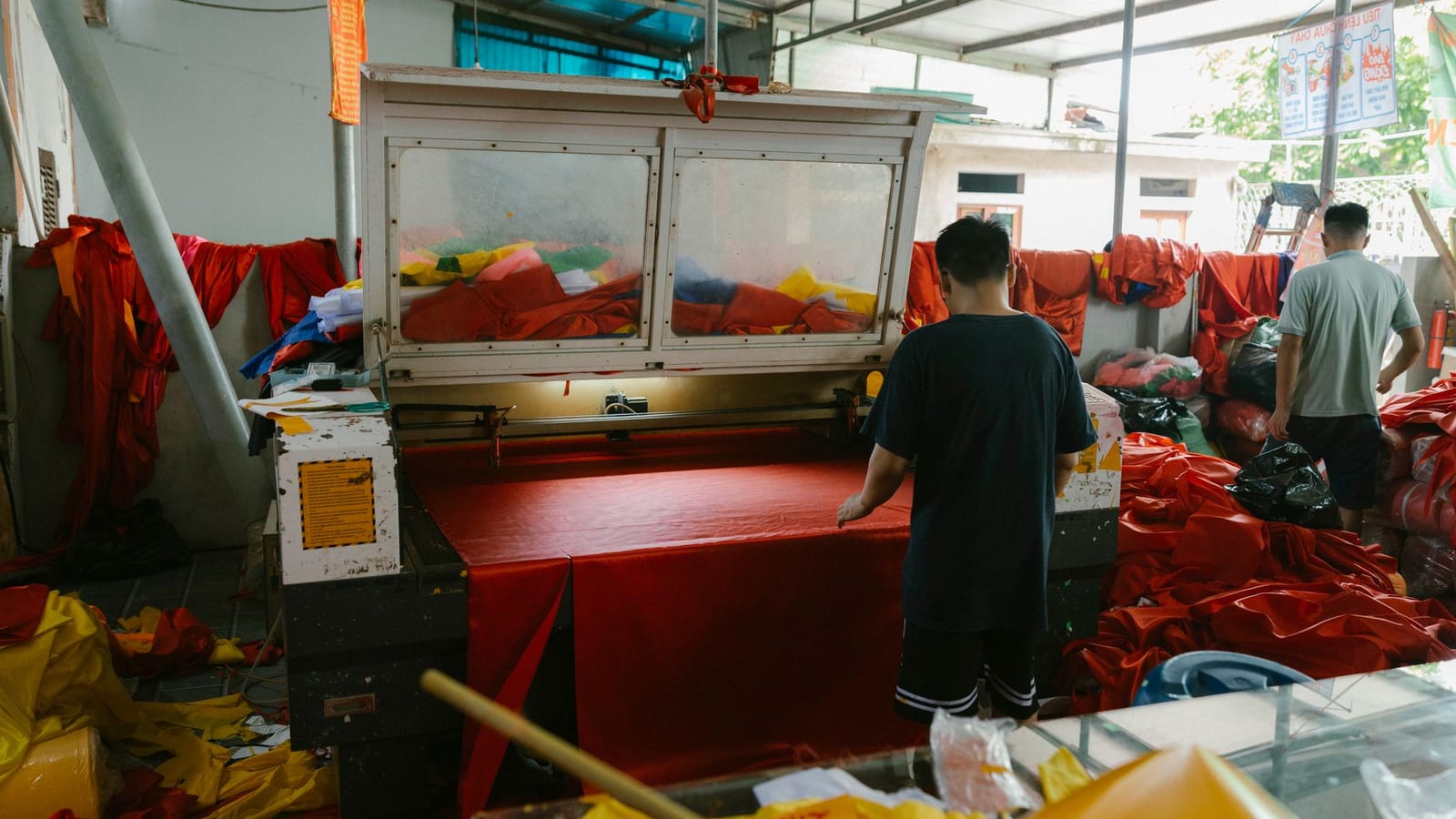
For a small manufacturer, a delayed payment is not paperwork. It is salary day, rent day, and supplier day arriving together.
That is why India’s latest small business push matters beyond policy language. The Centre is throwing loans, subsidies, payment platforms, GST tools, and hiring incentives at the same old problem: small firms need cash before they need slogans.
India’s MSME economy sits at the heart of this story. These are the workshops, salons, dairy units, cafes, job-work factories, textile units, and neighbourhood businesses that keep local markets moving.
Credit without family jewellery
The biggest change is the growing focus on collateral-free credit. In plain English, that means a business owner should not always need land papers, gold, or a guarantor to get a formal loan.
The CGTMSE system is central here. It does not give loans directly. Banks and approved lenders give the loan, while the guarantee trust covers part of the risk.
That detail matters because many small business owners still fall for fake agents. CGTMSE’s own public warning says it has no agents for arranging loans or subsidies.
Its official dashboard says the guarantee ceiling has risen to ₹10 crore. It also lists 1.15 crore cumulative guarantees approved, worth ₹9.34 lakh crore, as of March 31, 2025.
For a gym owner, a beauty parlour founder, or a small restaurant operator, this can change the first conversation with a bank. The question shifts from “what can you pledge” to “can your business repay”.
Still, the bank will not become a charity. Lenders will check cash flow, GST data, bank statements, and repayment history. A guarantee reduces fear for the bank. It does not remove responsibility for the borrower.
Subsidies meet first-time founders
The PMEGP route remains one of the more watched schemes for new units. The broad attraction is simple. A founder can seek support for setting up a unit, and a subsidy can reduce the burden.
The scheme has been promoted with loans up to ₹50 lakh and subsidy support of up to 35 percent. For a first-generation entrepreneur, that subsidy can be the difference between opening shutters and staying on paper.
But the fine print still matters. The project must fit the scheme rules. The applicant must follow the official process. Training, bank appraisal, and documentation cannot be skipped.
The official PMEGP portal also carries a caution notice. It says KVIC, KVIB, DIC, and Coir agencies have not appointed private middlemen for sanctioning projects.
That warning tells you something about the market. Wherever there is subsidy, there is also someone promising “guaranteed approval” for a fee. Small founders should treat that as a red flag.
The smarter route is slower but safer. Register the business properly, keep basic accounts clean, and apply through official channels. In India, paperwork may feel dull, but it often protects the smallest player.
Faster payments are the real prize
Credit helps at the start. Payment discipline decides survival.
The RBI has pushed the Trade Receivables Discounting System, better known as TReDS, for invoice financing. Think of it as a marketplace where MSMEs can get paid faster against approved invoices.
The official Udyam portal asks MSME units to onboard on TReDS platforms such as Invoicemart, M1xchange, RXIL, and DTX India. That is a clear signal from the government side.
Here is the simple version. A small supplier sells to a bigger buyer. The invoice is accepted. Instead of waiting weeks, the supplier can get money earlier from a financier, after a discount.
This is not glamorous finance. It is working capital oxygen. A machine shop waiting for ₹8 lakh from a large buyer may still need to pay workers next Friday.
Delayed payments have long been the quiet killer of small firms. On paper, MSMEs have legal protection against late payments. In practice, many owners fear angering a large buyer.
That is where a digital invoice system helps. It creates a record. It also gives lenders more confidence because they can see a real bill, not just a hopeful projection.
GST compliance now cuts both ways
The GST system is another part of this puzzle. For small traders, it can feel like a monthly exam. But avoiding registration when it is required can hurt margins and create legal trouble.
The composition scheme offers a simpler route for eligible small businesses. Some can pay tax at a lower fixed rate, often discussed as 1 percent for certain traders.
That sounds attractive, and it can be. But it also comes with limits. A business under composition cannot treat GST like a larger regular taxpayer in every situation.
E-invoicing is also spreading across the business chain. For small suppliers, that means cleaner records and fewer fake billing games around input tax credit.
Input tax credit simply means credit for tax already paid on purchases. Fake claims distort the system and punish honest businesses with more scrutiny.
The government’s message is becoming clear. Small does not mean invisible. If you want formal credit, subsidies, and faster payments, your records must also become formal.
That shift will pinch many tiny firms at first. A kirana store owner or small fabric unit may need help with digital filing. But clean records can also unlock cheaper loans later.
Jobs, textiles and the next bet
The small business push is not only about loans. It is also about jobs.
The Centre has promoted a ₹15,000 benefit for first-time formal workers under its employment-linked approach. Employers also get support when they add eligible new workers.
For young workers, this matters because the first formal job brings more than a salary. It creates an EPFO trail, a bank record, and proof of employment.
For employers, it lowers the cost of taking a chance on a fresher. That can matter in small factories, service firms, and export units where one extra worker is still a decision.
Textiles are another big signal. Plans around ₹2,339.14 crore in investment and 36,000 new jobs show where policymakers see opportunity.
India has watched Bangladesh build a powerful garment export story. Now global buyers want more supply options. Indian textile clusters would like to grab that opening.
But investment alone will not be enough. Power costs, port delays, skill training, and payment cycles will decide whether small units actually benefit.
For ordinary readers, the point is simple. India’s small business policy is moving from speeches to plumbing. The pipes are credit, invoices, GST records, subsidies, and formal hiring. If they work together, a small entrepreneur gets a fairer shot. If they clog, the same owner returns to the old routine: borrowing from relatives, chasing payments, and hoping the next order arrives before the next bill.