Dussehra 2024 Muhurat Shapes Puja Day Across India
Dussehra 2024 rituals followed Vijay muhurat, Dashami tithi and Ravana dahan schedules as families and traders planned celebrations.
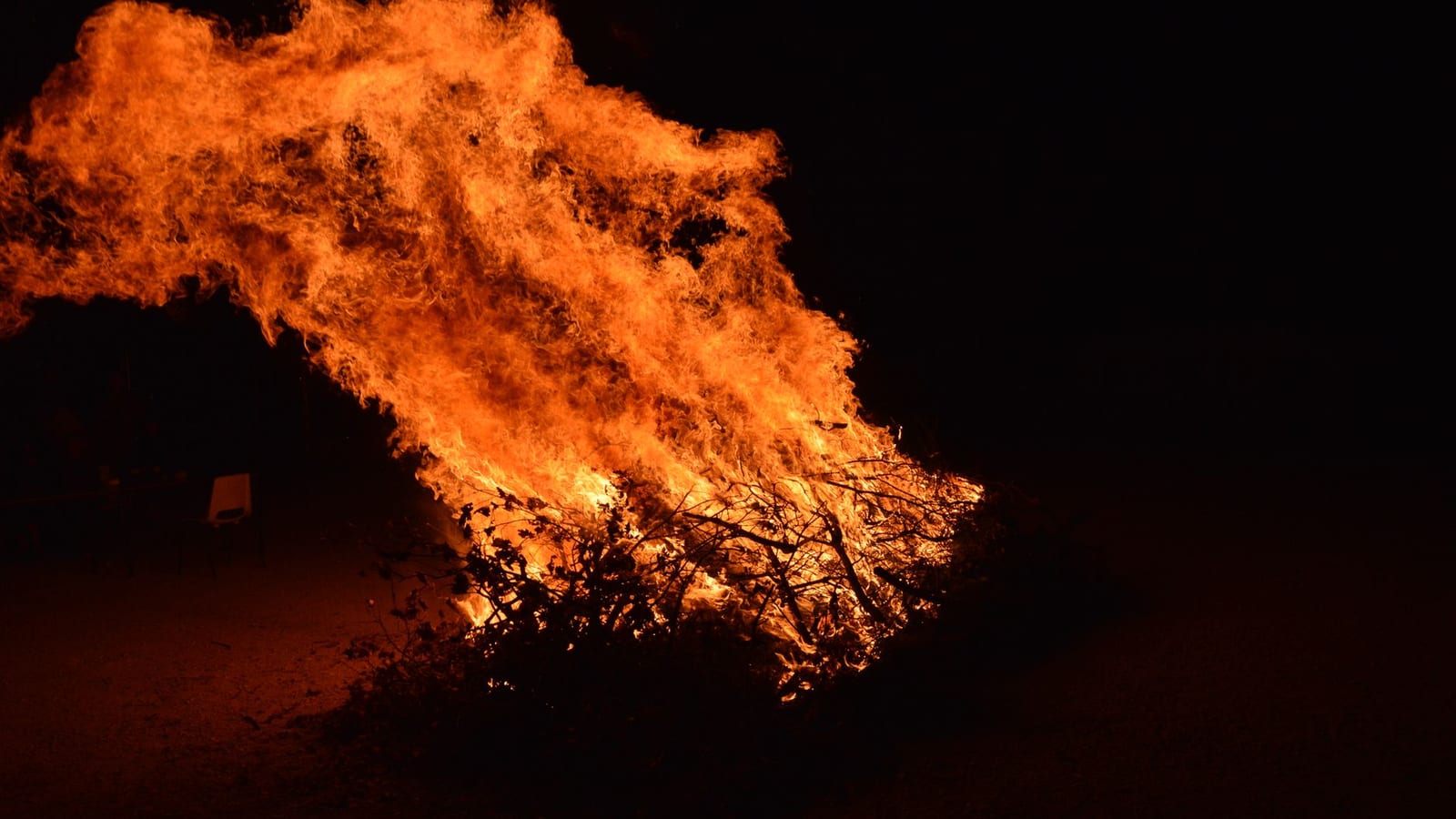
A festival can turn a city’s evening into theatre within minutes. On Saturday, 12 October 2024, families across India marked Dussehra with prayers at home, weapon worship in shops, and the familiar night-time spectacle of Ravana effigies going up in flames.
The day carried two clocks at once. One was the family clock, built around puja, food, travel, and children waiting for fireworks. The other was the ritual clock, where every hour had meaning.
For small traders, artisans, transporters, and market associations, that timing mattered too. A festival is faith, yes. It is also planning, footfall, overtime, sales, and community logistics.
The day’s main puja timings
Vijayadashami, another name for Dussehra, fell on the Dashami tithi of Ashwin Shukla Paksha in 2024. The Dashami tithi began at 10:58 am on 12 October and ended at 9:08 am on 13 October.
The Shravan nakshatra started earlier, at 5:25 am on 12 October. It continued until 4:27 am on 13 October. For many families, these details shaped when they performed rituals at home.
Drik Panchang listed the Vijay muhurat from 2:02 pm to 2:48 pm. This 46-minute window was considered suitable for Shami puja, Aparajita puja, and Shastra puja.
The broader afternoon puja window ran from 1:16 pm to 3:35 pm. That gave households and institutions a little more breathing room. In real life, that matters, because not everyone can stop work at one exact minute.
Ravana Dahan after sunset
The most watched moment of Dussehra was Ravana Dahan. In 2024, the preferred evening window ran from 5:53 pm to 7:27 pm.
This timing fell in the pradosh period, the stretch after sunset that many traditions consider ideal for the burning of Ravana effigies. Across towns, that meant local committees had to line up security, lighting, sound, traffic, and fire safety around a tight evening slot.
For children, Ravana Dahan is often the memory that sticks. For organisers, it is a serious operation. Effigies need bamboo, cloth, paper, fireworks, transport, open grounds, and trained handlers.
That is where the business side quietly enters the story. A single neighbourhood event supports carpenters, decorators, electricians, sound vendors, sweet shops, and food stalls. Festival demand does not always show up in big corporate balance sheets, but it keeps small local economies moving.
What families perform at home
The home ritual for Dussehra is simple in outline, though every family adds its own customs. The puja usually begins with a clean platform covered in red cloth.
Images or idols of Lord Ram and Goddess Durga are placed on it. Rice is coloured with turmeric and arranged for worship. Lord Ganesh is invoked, and the Navagraha, or nine planetary deities, are also honoured.
Families offer flowers, fruits, sweets, and other food items. Many also make donations according to their means. This act of giving remains one of the festival’s most practical moral lessons.
Shastra puja also has deep roots in Indian business life. In factories, workshops, transport yards, police units, and small shops, people worship tools, machines, vehicles, and instruments of work.
A mechanic may clean his spanners. A driver may decorate his truck. A shopkeeper may worship the cash box and ledgers. The idea is not abstract. It says livelihood deserves respect.
Why Dussehra still resonates
Dussehra carries two major stories in popular belief. One links the day to Lord Ram’s victory over Ravana and the rescue of Sita. The other remembers Goddess Durga’s victory over Mahishasura.
Both stories speak to the same larger idea. Wrong may look powerful for a while, but it does not get the final word.
That is why the festival has survived beyond scripture and temple calendars. It offers a public language for hope. People gather to watch arrogance burn, even if only in symbolic form.
The timing also places Dussehra exactly 20 days before Diwali in the traditional festive sequence. For businesses, this period opens India’s biggest consumption season. Clothes, sweets, appliances, vehicles, phones, jewellery, and home goods all see higher demand.
A festival calendar, in India, is also an economic calendar. Traders prepare stock. E-commerce platforms push discounts. Gold sellers watch sentiment. Transport networks handle extra movement. Even casual workers often depend on these weeks for added income.
This is why Dussehra is never just one day. It starts with planning and ends by feeding into the Diwali rush.
Faith, commerce and public life
The 2024 Dussehra schedule showed how closely Indian life blends belief with routine. A family may check a muhurat in the morning, buy sweets in the afternoon, attend Ravana Dahan in the evening, and place an online Diwali order at night.
None of this feels contradictory here. Faith and commerce often sit at the same table.
Yet the festival also asks for responsibility. Public burnings need safe grounds, crowd control, and fire precautions. Markets need cleaner waste handling after peak sales. Families need to enjoy the day without turning celebration into debt.
That last point matters more than we admit. Festivals put pressure on household budgets, especially for lower and middle-income families. New clothes, gifts, travel, donations, food, and outings can quickly add up.
The wiser reading of Dussehra is not about spending more. It is about renewal. Clean the tools. Honour work. Share food. Mark the victory of good sense over ego.
For ordinary readers, that may be the most useful takeaway. Dussehra 2024 gave India its familiar mix of prayer, performance, markets, and memory. The next festival will bring the same pull, between devotion and spending. The real victory lies in keeping both in balance.