Gujarat Rains Expose Civic Gaps As Surat Roads Sink
Heavy monsoon rain flooded Gujarat towns, strained traders and transporters, and revived scrutiny of Surat civic spending as roads and underbridges failed.
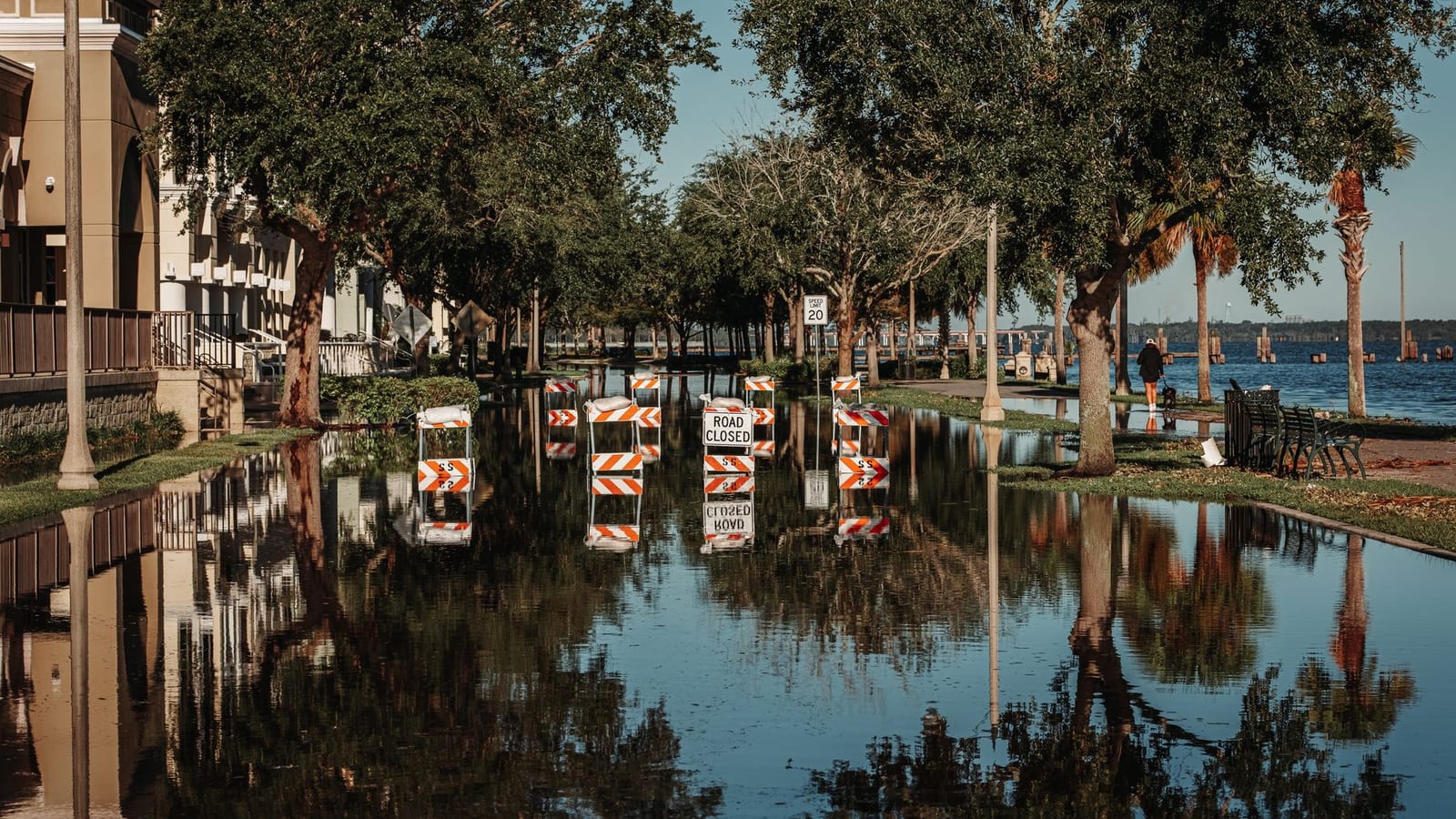
One heavy spell of rain can audit a city faster than any committee.
In Gujarat, the monsoon has done exactly that. Roads have sunk, markets have flooded, officials have issued notices, and old spending questions have returned with fresh force.
For ordinary people, this is not just a weather story. It is about reaching work, keeping shops open, moving goods, and trusting that public money buys more than paperwork.
Monsoon turns into an audit
More than 150 talukas saw rain, with parts of Junagadh’s Mangrol and Keshod belt getting around 10 inches. Fire teams rescued a couple trapped in floodwater near Keshod.
In Veraval, water entered markets and temple areas. In Sutrapada, fields looked like islands. In Gondal, an underbridge filled up.
For a small trader, one flooded lane can wipe out a day’s sales. For a transporter, one closed road means missed delivery slots and extra diesel.
The state also kept Gir Somnath officials on alert. The district collector reviewed emergency control room readiness as forecasts warned of more heavy rain.
Surat roads face hard questions
The sharpest civic stress showed up in Surat Municipal Corporation limits. The city saw roads cave in at 24 places in two days, after heavy rain exposed weak work.
At Dindoli, a 40 metre stretch sank and a truck got stuck. The deputy mayor admitted that potholes and a sunken road were visible at the site.
The municipal commissioner has issued notices to nine agencies. That matters because road work is not charity. It is paid for by taxpayers and awarded through contracts.
If a road fails after the first serious rain, people naturally ask two questions. Who built it, and who checked it before payment?
That is where urban business gets affected. Surat is not a sleepy town. It runs on diamonds, textiles, logistics, labour movement, and daily cash flow.
A bad road near a factory area delays workers. A flooded crossing slows raw material. A collapsed patch hurts both a small tempo owner and a large exporter.
Rajkot spending row widens
The civic spending question also surfaced in Rajkot, where a ₹27 lakh expenditure linked to Jangleshwar has triggered controversy.
The mayor first said wrongly paid money would be recovered. Within 24 hours, the position changed. The later view was that payment made under a rate contract cannot be undone.
That shift deserves attention. A rate contract is a pre-approved price list for goods or work. It can speed up government purchases.
But it should not become a shield against scrutiny. Citizens do not care about file language when money looks poorly spent.
They want a simple answer. Was the work needed, was the rate fair, and did the city get value?
Rajkot also saw questions over civic negligence. In one case, several newly appointed committee chairpersons were absent from offices, while lights and ACs reportedly stayed on.
These details may look small. But they build public anger. People standing in waterlogged lanes do not enjoy hearing about empty, air-conditioned rooms.
Courts press on accountability
The Gujarat High Court has also asked pointed questions in the Nasirnagar demolition dispute in Surat.
The court questioned why the state had not acted more firmly. It also asked why a police complaint had not moved even after one month.
That case is separate from road damage. Still, it sits inside the same larger concern, weak accountability after official action.
For citizens, courts often become the only place where the state must answer plainly. That should worry any government.
Good governance should not need constant judicial pressure. It should show up in drains, roads, notices, inspections, and fair compensation.
Meanwhile, talati-cum-mantris have announced they will avoid extra work from July 3. Around 11,000 such staff are expected to join that stand.
Village-level staff handle a great deal of everyday paperwork. During monsoon stress, any slowdown can hit farmers, families, and local businesses.
Growth plans meet local friction
There is also a more hopeful business thread in Ahmedabad. Thaltej is set to host a textile conclave after the new industrial policy.
The discussions will range from artificial intelligence to plant-based textiles. Younger participants, including Gen Z, are also expected.
That is the Gujarat growth story everyone knows well. Industry wants new technology, cleaner materials, and better global positioning.
But here is the chai-table truth. Ambition needs working streets, predictable rules, and civic systems that do not collapse in rain.
A textile unit can buy new machines. A startup can adopt AI. But both still need roads, power, drainage, and stable administration.
Even public assets tell a story. Surat’s indoor stadium, once associated with much higher event revenue, now has a Navratri rental base price of ₹20 lakh.
Officials have started the tender process. Earlier, the venue reportedly drew around ₹70 lakh for similar use.
For event organisers, a lower base price may help. For taxpayers, it raises another question about public asset value.
Gujarat’s cities have built their reputation on enterprise. But enterprise does not run only on factory floors and balance sheets.
It runs on the road outside the factory, the drain near the shop, and the contract signed by the municipality. This monsoon has simply reminded everyone that growth is only as strong as the basics beneath it.