Monsoon Disrupts Travel And Daily Life Across North India
Heavy monsoon rain is disrupting travel, water supply and daily routines across Delhi, Uttarakhand, Himachal Pradesh and Jharkhand this week.
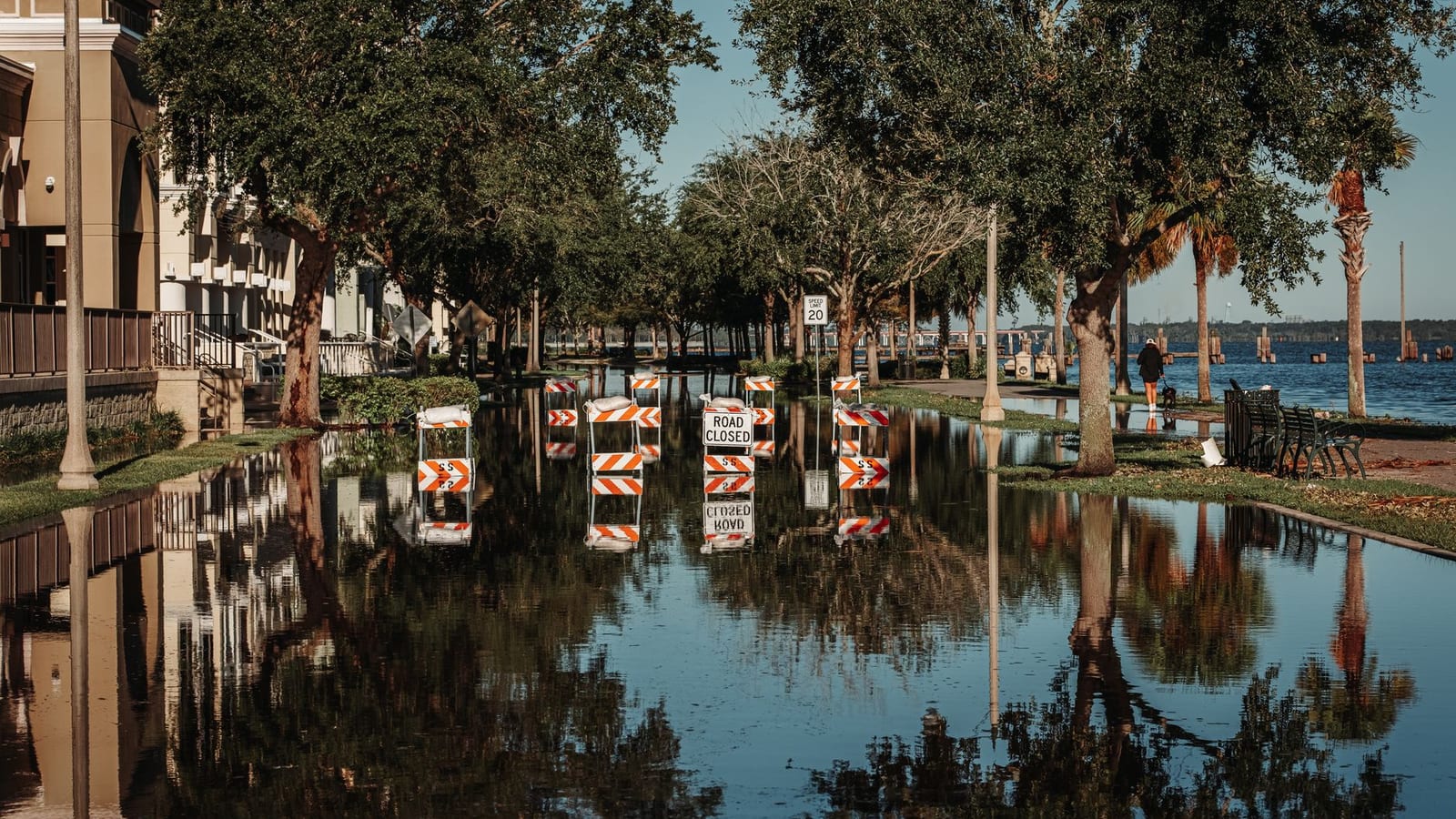
A family planning a hill break in July now checks two things before packing: hotel rates and landslide alerts. The monsoon has arrived with force across north India, and it has turned ordinary travel, work, school, and city life into a daily negotiation with rain.
From Delhi water cuts to blocked highways in Uttarakhand, from deaths in Himachal Pradesh to alerts in Jharkhand, the season is no longer just about relief from heat. It is also about flooded roads, closed routes, health risks, and fragile public systems.
For India’s lifestyle economy, this matters more than it first appears. Travel plans, home routines, office schedules, weekend outings, school runs, and even shopping habits bend around the monsoon now.
Monsoon changes daily routines
Delhi residents have been told that several areas will face water disruption for two straight days. That is not a small inconvenience in a city where apartment towers, rented rooms, shops, clinics, and restaurants all run on stored water.
A two-day dry tap means families fill buckets, societies call tankers, and small eateries cut menus. For a home cook, it means delaying laundry. For a cafe owner, it can mean fewer dishes served and more disposable choices.
The city is also preparing for pollution season in advance. Authorities have indicated that work-from-home rules may kick in from November 1 when restrictions under the Graded Response Action Plan apply. GRAP is Delhi’s pollution-control playbook. It triggers curbs when air quality turns dangerous.
That single detail says a lot about modern urban life. Delhi now lives between two weather anxieties. In July, it worries about waterlogging and supply cuts. By November, it worries about toxic air and remote work.
Hills face a harder season
In Uttarakhand, the monsoon has become fully active, with orange alerts in parts of the state. An orange alert means people should prepare for severe weather, not just expect a passing shower.
The Char Dham Yatra has felt the pressure. Continuous rain has worsened conditions on pilgrimage routes, rivers are running high, and the Badrinath highway has faced closure. For pilgrims, that means waiting, rerouting, or turning back after weeks of planning.
This is where faith, tourism, and climate stress meet. A pilgrimage is not a casual holiday for many families. People save money, take leave, book transport, and travel with elderly parents. One blocked highway can upset the entire journey.
Himachal Pradesh has also seen the monsoon arrive with damage. Reports from the state say 11 people have died in three days. More than 40 roads were closed, with threats of flash floods and landslides in several areas.
For hill states, the monsoon is now a test of carrying capacity. Hotels, taxi drivers, homestay owners, dhabas, and guides all depend on visitors. Yet the same rain that brings tourists also cuts off roads and raises the cost of safety.
Small cities feel the strain
The rain story is not only about mountains. Jharkhand has issued alerts after heavy rain and lightning, while East Singhbhum has reported malaria deaths. That brings the health angle into the picture.
Monsoon disease does not arrive with drama. It starts with stagnant water, clogged drains, mosquitoes, fever, delayed diagnosis, and overcrowded local hospitals. For working families, one illness can disturb wages, childcare, and household budgets.
In many Indian towns, the monsoon exposes what the rest of the year hides. Roads look fine until the first hard rain. Drains look adequate until they choke. Health systems seem manageable until fever cases rise together.
Chhattisgarh has also seen the weather shift, with the monsoon active across the state. For farmers, this can bring relief. For schoolchildren, road users, and daily-wage workers, it can also bring disruption.
The same rain can mean different things to different people. A farmer may see hope in dark clouds. A construction worker may see lost wages. A parent may see a difficult school run.
Travel and lifestyle plans reset
Urban Indians have changed how they travel during the monsoon. A decade ago, rain meant chai, pakoras, and a long drive. Today, it also means checking weather alerts, highway updates, and hotel cancellation terms.
That shift is visible across north India. Nainital has introduced traffic curbs, including a horn ban on Mall Road and no-parking rules up to Hanumangarhi. These are not cosmetic changes. They show how tourist towns are trying to control crowd pressure.
When a hill town restricts parking, it affects everyone. Tourists walk more, local taxi demand rises, shopkeepers adjust to changed footfall, and residents get some relief from traffic noise.
The lifestyle story here is not just “rainy season travel”. It is the growing tension between escape and crowding. Indians want cleaner air, cooler weekends, mountain views, and spiritual routes. But the places offering all this have limited roads and fragile slopes.
Even in Maharashtra, heavy rain in Mumbai has brought danger into daily life. A man died after falling into an open manhole during heavy rain. That kind of incident stays in public memory because it feels brutally ordinary.
It reminds city dwellers that civic neglect can turn rain into risk. For commuters, walkers, delivery workers, and street vendors, the monsoon is not a mood board. It is a daily hazard.
Work, homes and public trust
The most telling part of this season is how it touches both lifestyle and trust. People do not only ask whether it will rain. They ask whether the road will hold, whether the drain will clear, whether the hospital has beds, and whether the tap will run.
Work-from-home rules in Delhi show one version of adaptation. Traffic controls in Nainital show another. Highway closures in Uttarakhand show the limits of control. Disease alerts in Jharkhand show what happens after the rainwater settles.
For middle-class households, this means planning with more caution. For poorer households, it often means absorbing the shock. A missed workday, a fever, a cancelled bus, or a tanker bill hurts much more when money is tight.
The monsoon still carries romance in India. It cools the air, fills rivers, revives farms, and changes the smell of a city. But this year’s early signals show a harder truth. The rain is now a lifestyle force, an economic force, and a governance test, all at once. How well states handle it will decide whether July feels like relief, or another season of avoidable stress.