Former IT Manager Chooses Auto Driving After Job Stress
After nine years in IT management, a woman left corporate work to drive an auto-rickshaw, saying stress outweighed the status and salary.
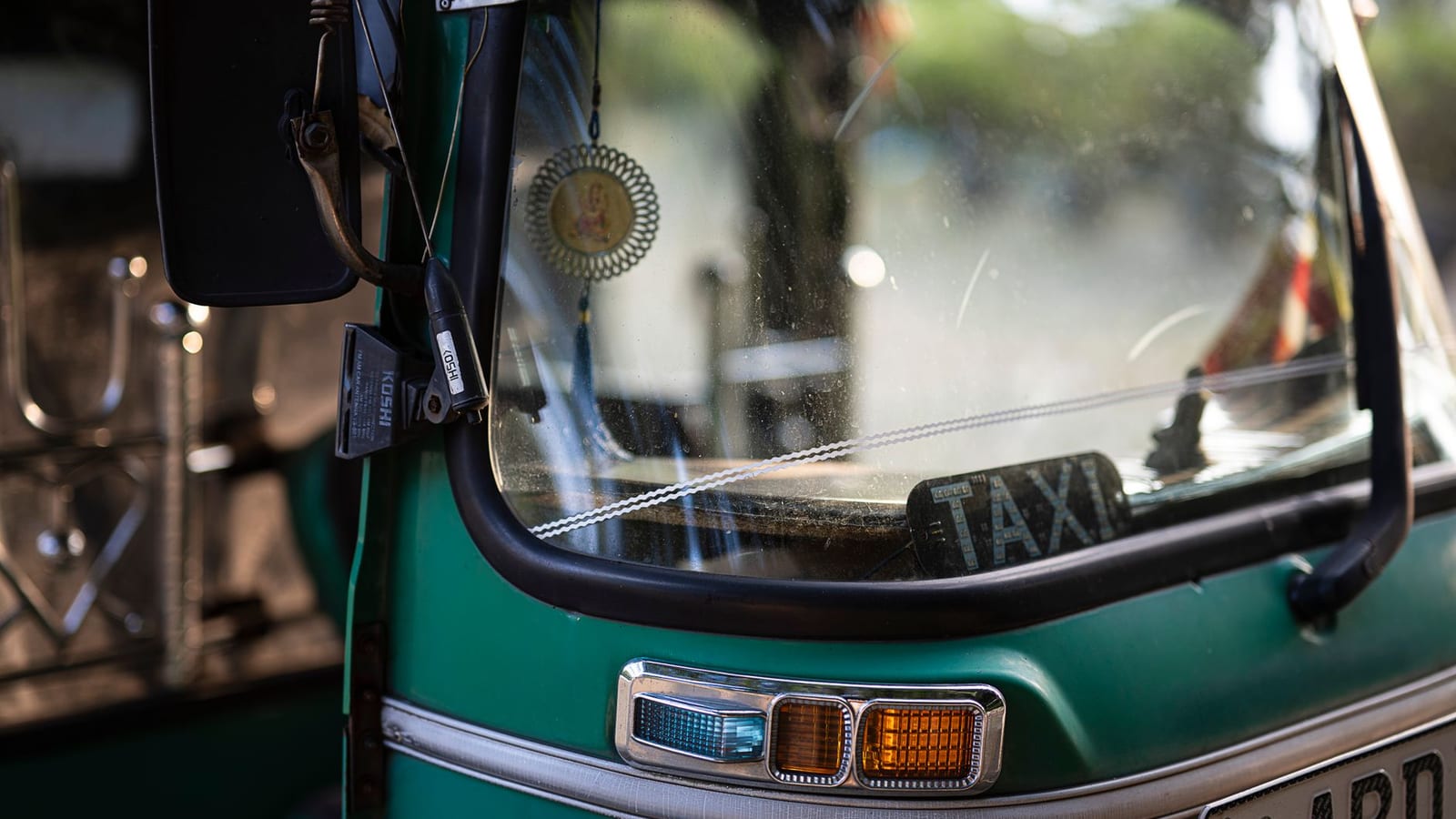
An auto-rickshaw meter can sometimes say more about modern work than a corporate offer letter.
A woman who spent nine years as an IT manager has left her corporate job to drive an auto-rickshaw. Her reason was simple, and painfully familiar to many urban Indians. The salary looked good, but the stress had started taking too much.
The story caught attention after Dr Nesrin Midlaj, an entrepreneur and social media influencer, shared her meeting with the woman on Instagram. What stayed with people was not just the career switch. It was the calm confidence with which the woman owned it.
A corporate exit with purpose
The woman had worked in the IT sector for nine years and held a manager’s role. That is not a small thing in India’s white-collar world.
For many families, an IT job still carries status. It suggests steady income, English-speaking offices, promotions, and respect at weddings. Leaving that behind can sound almost reckless.
But the woman told Nesrin that work pressure had pushed her to quit. She then chose to drive an auto-rickshaw, a job many would wrongly see as a fall in status.
That is exactly why the story has struck a nerve. It flips the usual script of success. Here, the promotion is not a bigger cabin. It is a quieter mind.
Nesrin said she noticed the driver’s confidence during a ride. The woman seemed comfortable, even happy, in a job many urban Indians treat as invisible labour.
That small detail matters. The country sees auto drivers every day, but rarely asks what dignity looks like from their seat.
The new meaning of success
The woman now earns up to Rs 60,000 a month, she said. That number has made people pause.
In many Indian cities, Rs 60,000 is not a tiny income. It can run a modest household, pay rent, support parents, or cover school fees.
Of course, an IT manager may earn more, depending on the company and city. But the comparison is not only about money. It is about the price paid for that money.
A higher salary can come with late-night calls, angry clients, weekend work, and constant performance pressure. For some, the body starts keeping score before the bank account does.
This is where the story becomes larger than one career change. Young professionals across India now talk openly about burnout, therapy, sleep, and work anxiety.
Earlier, such conversations stayed private. People grumbled to friends, then went back to the same desk on Monday. Social media has changed that silence.
Now, stories of quitting stressful jobs travel fast. Some become emotional confessionals. Some become debates about privilege. This one became a mirror.
It asked a blunt question. What if peace is not laziness? What if it is a real career goal?
Why the story went viral
The comments below Nesrin’s post praised the woman’s courage. Many people said a simple life can also be a successful life.
That reaction says something about the mood in urban India. People still want ambition, but they no longer worship exhaustion blindly.
The old corporate bargain was clear. Work hard now, enjoy life later. But many workers now wonder when that “later” actually arrives.
For women, this story carries another layer. Driving an auto-rickshaw remains a male-dominated job in most cities. A woman choosing it with confidence challenges two ideas at once.
First, it questions the belief that office work always ranks above hands-on work. Second, it challenges the belief that public-facing transport work belongs mostly to men.
There is also a strong social signal here. The woman did not vanish from the workforce. She changed the terms on which she worked.
That distinction matters. Many people do not reject work itself. They reject work that drains them, controls their time, and leaves no space to breathe.
An auto-rickshaw offers no easy glamour. The roads are tiring. Income can vary. Customers can be difficult. Weather can be harsh.
Still, the woman described her present life as happier and more peaceful. That is why the story feels less like escape and more like self-respect.
Status, stress and everyday dignity
Indian society still attaches heavy value to job titles. Manager sounds better than driver at most dinner tables.
But daily life is slowly teaching a different lesson. A job’s worth also depends on control, routine, health, and dignity.
For a kirana store owner in a tier-2 city, stability may matter more than scale. For a young professional with a home loan, mental peace may feel like a luxury. For someone facing burnout, it may become survival.
The woman’s story does not mean everyone should leave office work. That would be a silly reading of it. Most people cannot make such a sharp turn easily.
Loans, dependents, medical costs, and family pressure shape career choices. Not everyone gets room to experiment. Not everyone can absorb risk.
But her choice widens the conversation. It says success need not always move upward on a corporate chart. Sometimes, it moves inward, towards a saner life.
There is a reason this story has travelled beyond its original circle. It catches India at a strange moment.
The country is chasing startups, digital jobs, higher incomes, and global careers. At the same time, many workers are asking whether the chase has become too costly.
That tension sits at the heart of modern Indian lifestyle. People want comfort, but not collapse. They want money, but not at the cost of sleep. They want respect, but not only from a visiting card.
The unnamed driver has not offered a grand theory of work. She has simply chosen a life that lets her earn, move, and breathe with more ease. For ordinary readers, that may be the real takeaway. The next big lifestyle shift may not be about what people buy, but what pressure they finally refuse to carry.