Gujarat signs Rs 2,550 crore defence MoUs in Vadodara
Gujarat signed defence sector MoUs worth Rs 2,550 crore in Vadodara, strengthening its manufacturing pitch and startup-led supply chain.
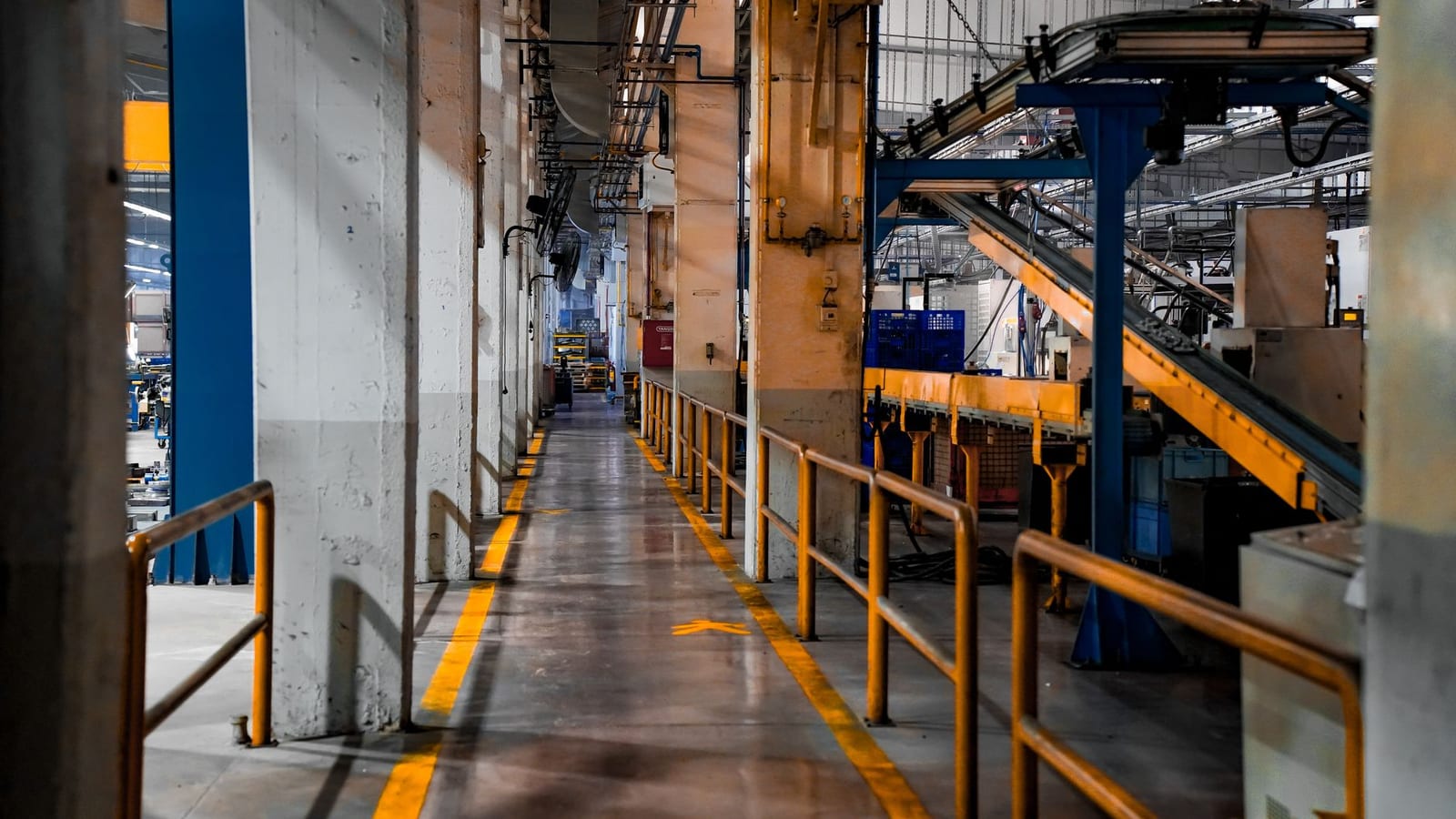
A defence deal often sounds distant, until you picture the factory floor behind it.
In Vadodara, the Gujarat government has signed defence sector MoUs worth ₹2,550 crore. That figure is not just a headline number. It points to factories, suppliers, engineers, machine operators, and small vendors who may soon chase a slice of India’s defence manufacturing push.
At the closing of the Vibrant Gujarat Regional Summit, Defence Minister Rajnath Singh made one pitch clear. If startups have serious ideas for defence, he said, they can seek a direct appointment with the defence minister.
Gujarat courts defence investment
The ₹2,550 crore MoUs place Gujarat firmly inside India’s defence manufacturing race.
The state has long sold itself as a manufacturing base. Chemicals, ports, engineering, pharma, and auto have shaped its industrial story. Defence now adds a sharper edge to that pitch.
Defence manufacturing is not like making another consumer product. A company needs precision, testing, long approvals, and patient capital. But once orders come, they can support a full chain of suppliers.
That matters for MSMEs. A small fabrication unit, electronics maker, or testing lab may not build a missile or drone alone. But it can supply parts, systems, software, or maintenance support.
Startups get a direct pitch
Rajnath Singh’s message to startups was unusually direct.
He said a startup working in defence can seek an appointment straight with him. In plain terms, the Centre wants young firms to stop seeing defence as a closed club.
That is a useful signal. Many founders avoid defence because government buying looks slow and intimidating. Payment cycles, security clearances, and technical rules can scare off small teams.
But defence tech has changed. Drones, sensors, cybersecurity tools, robotics, and artificial intelligence now matter as much as heavy machinery. A five-member startup can sometimes solve a problem faster than a large contractor.
The challenge is execution. Access to a minister may open a door. It does not replace testing, certification, orders, and timely payments.
What the MoUs really mean
MoUs are promises, not finished factories.
That is the first thing ordinary readers should remember. A memorandum of understanding says companies and governments intend to work together. It does not always mean money will flow tomorrow morning.
Still, such agreements matter because they show where capital wants to move. If even a healthy share of ₹2,550 crore turns into real projects, the impact can spread beyond one plant.
Vadodara already has an engineering base. That gives it a head start. Defence investors need skilled workers, component makers, logistics support, and industrial land. These are not built overnight.
For workers, the bigger question is the quality of jobs. Defence projects need trained hands. That can mean better technical roles, but only if training keeps pace.
For local businesses, the opportunity sits in the supply chain. Canteens, transporters, tooling shops, safety equipment dealers, and contractors often grow around large industrial projects.
The fine print for taxpayers
There is also a public money angle here.
Defence is funded by taxpayers. So every push for local manufacturing must answer a simple question. Will India get better equipment, faster delivery, and fair pricing?
Domestic production can reduce import dependence. It can also build strategic comfort. In a crisis, a country wants control over spare parts, repairs, and upgrades.
But local manufacturing should not become a shield for weak products. Defence purchases need strict quality checks. Soldiers cannot be asked to trust equipment just because it carries a local label.
That is why transparency matters. The public may not see every defence detail, and that is understandable. But broad timelines, investment progress, and employment outcomes should not vanish after the summit lights go off.
Why Gujarat has an opening
Gujarat’s pitch is practical. It has ports, industrial corridors, and a business-friendly image.
For defence firms, ports matter because large components and specialised equipment need smooth movement. Industrial clusters matter because suppliers can sit close to one another.
Vadodara also brings an engineering culture. That can help firms find technicians and mid-level managers faster than in places starting from scratch.
But the state will still need to compete. Other Indian states also want defence investment. They offer land, tax support, and policy attention.
The winner will not be the state with the loudest summit. It will be the one that helps companies move from announcement to production without endless delays.
For India’s defence startups, the message from Vadodara is simple enough. The door appears more open than before, but walking through it will still demand stamina.
For ordinary people, the real test is not the ₹2,550 crore number. It is whether these agreements create steady jobs, stronger local suppliers, and better equipment for the country. That answer will come quietly, factory by factory, long after the summit stage has been packed away.