Christian Betzmann's State List Puts Kerala First
German travel vlogger Christian Betzmann's ranking of Indian states has gone viral after he praised Kerala for its people and natural beauty.
A single Instagram ranking has done what travel shows love to do. It has made Indians argue, smile, defend their states, and question the whole exercise.
German travel vlogger Christian Betzmann has gone viral after ranking Indian states by what stood out during his travels. He said he has visited more than 20 states across India, and called his list an honest view from the road.
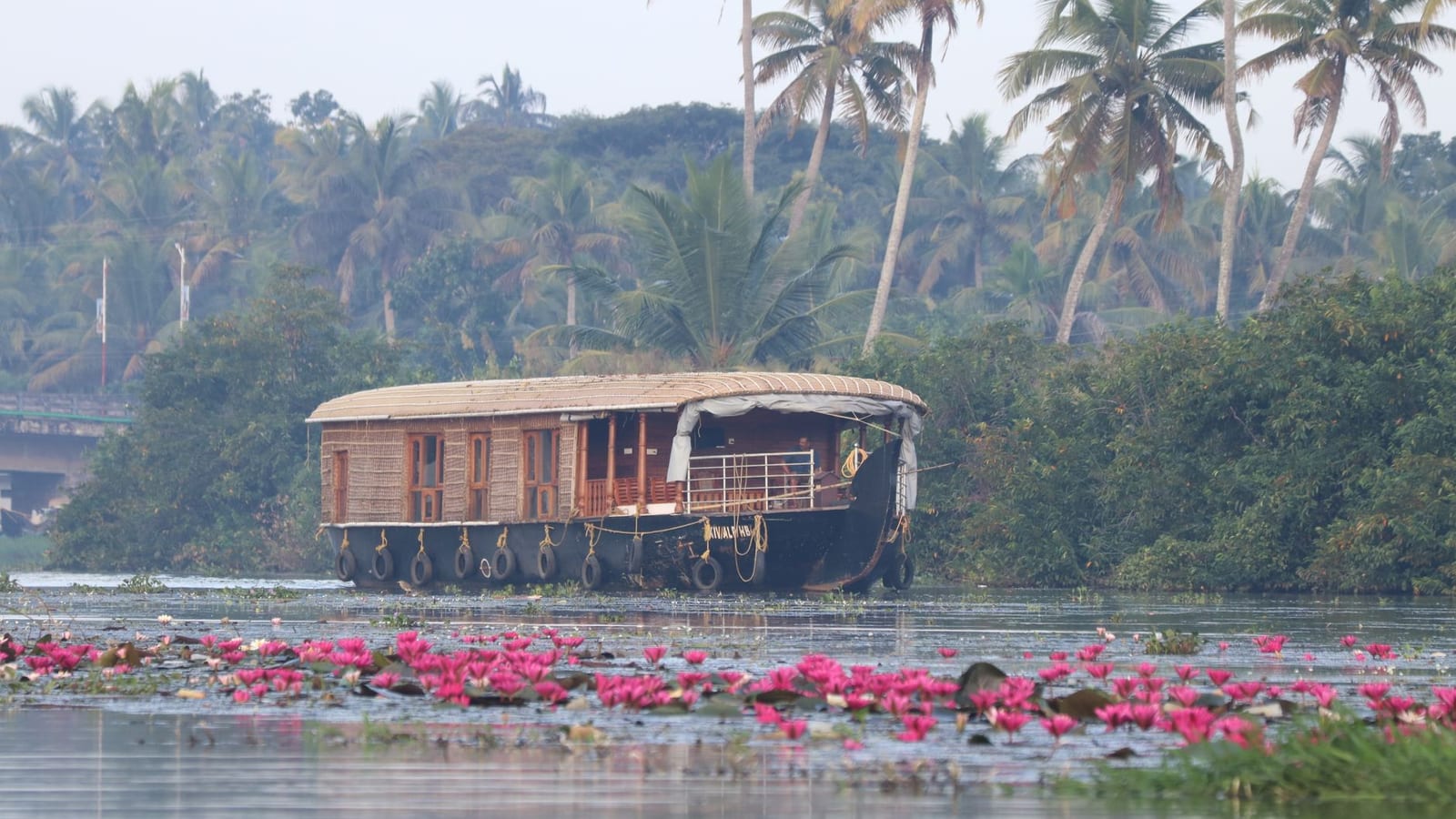
His biggest compliment went to Kerala. Betzmann said the state had India’s best people and its best natural beauty. That was enough to light up comment sections, especially among Malayalis.
Kerala wins the soft power vote
Kerala’s appeal has rarely depended on one monument or one dramatic landmark. It works more quietly.
The state sells itself through backwaters, hill stations, monsoon skies, food, literacy, migration stories, and everyday civic confidence. For many travellers, that mix feels different from the louder tourism pitch elsewhere.
Betzmann’s praise for Kerala’s people also touched a familiar nerve. In Indian travel, hospitality often becomes the real memory. A beach, fort, or waterfall may bring someone in. A helpful driver, homestay owner, or cafe worker often decides whether they return.
That is why the ranking travelled fast. It was not just about scenery. It sounded like a comment on culture.
For Kerala, this is useful soft power. The state already draws domestic tourists, Gulf returnees, wellness travellers, and backpackers. A viral foreign traveller’s endorsement adds another layer to that image.
India through a traveller’s checklist
Betzmann’s list did not stop with Kerala. He gave Punjab high marks for spirituality and hospitality. That will not surprise many Indians.
Punjab’s public culture often carries warmth at full volume. The gurdwara langar, family-style food, music, and direct friendliness create a strong first impression. For foreign travellers, that can feel deeply memorable.
He picked Meghalaya for adventure, which also fits the new mood in Indian travel. The Northeast is no longer only a “someday” destination for urban Indians. Waterfalls, caves, living root bridges, and road trips now fill social media feeds.
He named Goa for community and waterfalls. That is an interesting choice, because most outsiders still reduce Goa to beaches and nightlife. Long-stay travellers often see another Goa, built around cafes, music, local networks, and slower living.
Rajasthan got his nod for architecture, while Jaipur stood out for forts. Himachal Pradesh appeared twice, for mountains and clear skies. Karnataka got mentioned for surfing.
Assam, he said, was the most underrated state. That may be the sharpest observation in the list. Assam has tea gardens, river islands, wildlife, food, and a distinct cultural personality. Yet it rarely gets the mainstream attention given to Rajasthan, Goa, or Kerala.
The Delhi pollution punchline hurts
The most debated part was Betzmann’s view of Delhi as India’s most polluted place. Many Indians accepted the broad point. Some pushed back, saying other cities can be worse on certain days.
Both reactions make sense. Delhi has become the shorthand for bad air in India. Every winter, its smog becomes a national ritual of blame.
For residents, though, this is not a travel category. It is daily life. Children miss outdoor play. Older people struggle to breathe. Office workers track air quality like weather.
A traveller can leave after a few days. Delhi residents cannot pack up every November.
That is why this part of the ranking stung more than the others. Calling Kerala beautiful flatters local pride. Calling Delhi polluted points to a failure everyone already knows.
It also shows how global travellers now read Indian cities. They do not judge only monuments, food, and shopping. They notice traffic, air, noise, safety, cleanliness, and ease of movement.
That shift matters for tourism. India wants more foreign travellers and higher spending. But modern travellers compare comfort as much as culture.
Why rankings go viral
State rankings are unfair by design. India is too large and layered for neat boxes.
Still, people love them because they turn identity into a game. Every Indian knows the routine. Food rankings cause fights. City rankings cause bigger fights. State rankings cause full family debates.
Betzmann’s post worked because it mixed praise, surprise, and provocation. Kerala got a crown. Punjab got warmth. Meghalaya got adventure. Assam got sympathy. Delhi got the hard label.
That is almost a perfect social media recipe.
The comments showed the usual split. Some users said he understood India better than many Indians. One joked that he deserved an Aadhaar card. Others argued that he had simplified a country too complex for quick labels.
That criticism is fair. A traveller’s experience depends on route, season, budget, language, and luck. A good homestay can change a whole state’s image. One bad taxi ride can do the same.
But travel content has moved in this direction. It is faster, more personal, and built for debate. Long essays lose to carousel posts. Careful nuance loses to a clean ranking.
The better question is not whether the list is perfect. It clearly is not. The question is what it reveals about Indian travel today.
A new map of aspiration
For years, Indian tourism ran on a few old circuits. Rajasthan for palaces. Goa for beaches. Kerala for backwaters. Agra for the Taj Mahal. Himachal for mountains.
That map is changing.
Younger travellers now look for surf towns, clean stays, local food, forest trails, music scenes, and slower holidays. They want places that feel lived-in, not just photographed.
This is where states like Meghalaya and Assam gain ground. They offer freshness without feeling overproduced. For urban Indians tired of crowded hill stations, that matters.
At the same time, states cannot live on beauty alone. Roads, waste management, safety, public toilets, honest pricing, and clean air now shape reputation. A pretty destination with poor basics loses repeat visitors.
Kerala’s praise, in that sense, is not only about nature. It is about the total feeling of being there. Punjab’s hospitality works the same way. Assam’s underrated tag points to untapped promise.
Delhi’s pollution label is the warning sign on the same board.
Betzmann’s ranking will fade from timelines soon. Another list will replace it, and another round of state pride will begin. But the larger signal will remain.
Modern travellers are judging India through people, air, food, roads, trust, and atmosphere. The postcard still matters. The lived experience matters more.