India backs Harmanpreet as youth and rowers rise
India’s latest sports moves show selectors backing Harmanpreet Kaur, while teenage talent and Army rowers push Olympic ambitions.
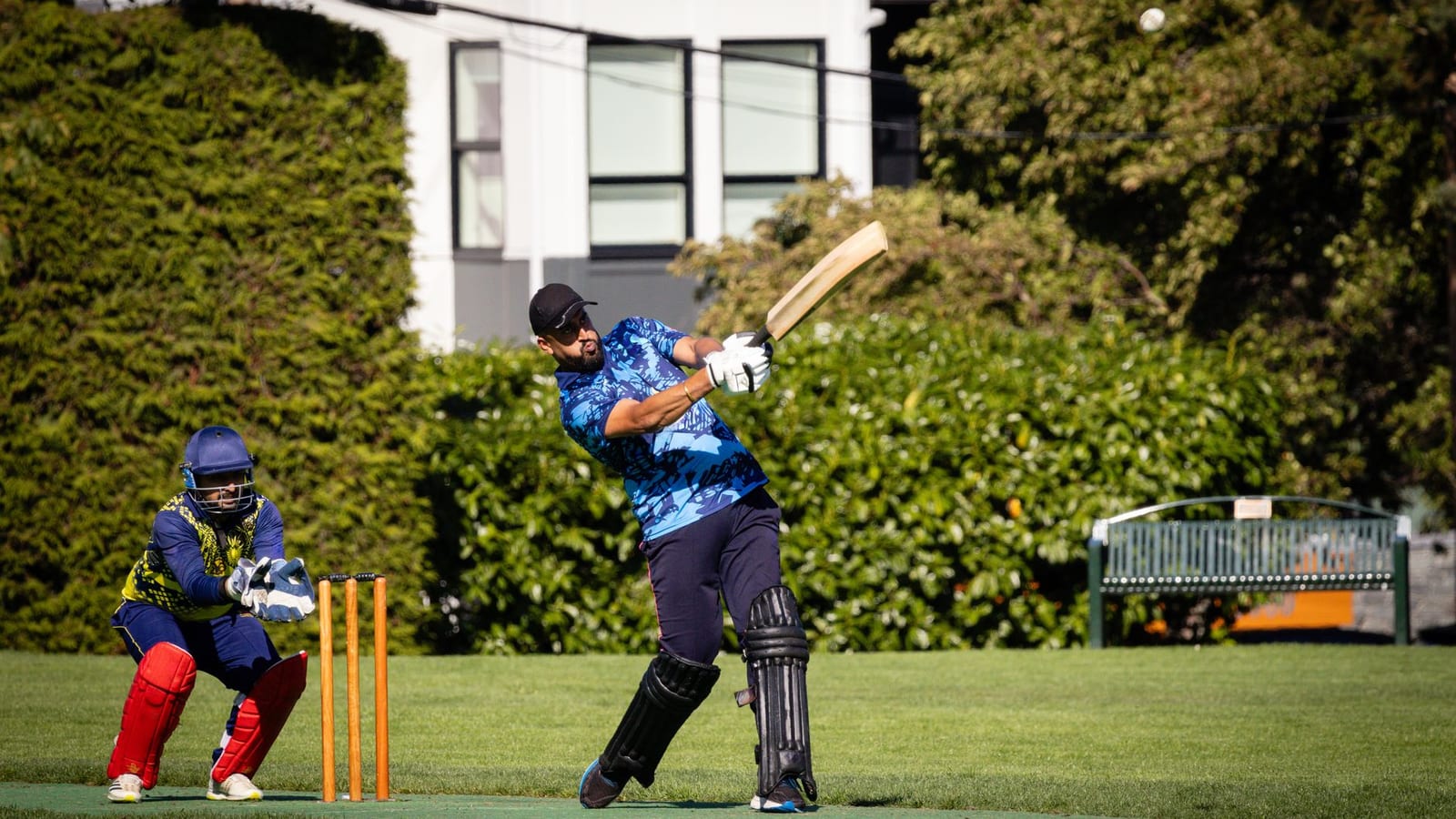
A 15-year-old India pick, a wounded captain trusted again, and 2 Army rowers making history. Indian sport rarely moves in straight lines.
This week’s sports board looks crowded, but one theme runs through it. Selection rooms still love trust, young players now arrive early, and Olympic sports are demanding space beside cricket.
For Indian fans, that makes this more than a results bulletin. It is a glimpse of where ambition is shifting.
Harmanpreet keeps India’s trust
Harmanpreet Kaur will lead India’s women’s team at the Asian Games in Japan, even after the T20 World Cup ended badly.
India lost to Australia by 6 wickets after setting a target of 170. Harmanpreet’s aggressive half-century kept India alive, but it did not carry them home.
That is the old Indian cricket heartbreak. One senior player fights hard, the team gets close, then Australia shuts the door.
The selectors have still backed Harmanpreet. That tells you they value her dressing-room weight, not just one tournament’s scorecard.
For younger players, this matters. A captain under pressure can either become a shield or a burden. India clearly believes Harmanpreet remains the first kind.
Vaibhav’s early India leap
Vaibhav Suryavanshi has entered the Indian T20 setup at just 15. He called the selection the biggest moment of his career.
His rise has already forced officials to prepare differently. On the England tour, he will get a separate changing room.
That is not special treatment in the filmi sense. ICC and England Cricket Board safety rules require care for players under 16.
The detail matters because Indian cricket has rarely handled teenage fame gently. Once the public notices a young batter, the pressure arrives fast.
Vaibhav scored more than 230 runs for Rajasthan Royals in IPL 2026. That made selectors look beyond age and focus on readiness.
Still, readiness at 15 is not only about shots. It is also about travel, media, loneliness, and seniors in the room.
Indian cricket has seen gifted youngsters burn bright early. The smarter system now must protect talent before celebrating it too loudly.
Rowers put India on water
Hav Lakshya and Hav Ujjwal Kumar Singh gave India a rare golden headline in rowing.
The 2 Army rowers won gold in lightweight double sculls at the Rowing World Cup in Lucerne, Switzerland.
They beat strong crews from Hong Kong and the Netherlands. In Indian sporting terms, that is not a small footnote.
Rowing does not enjoy cricket’s money or television love. Most Indians see it during big events, then forget it again.
That is why this medal feels important. It shows how India’s medal map is slowly widening beyond familiar events.
The Army’s role also stands out. Many Olympic sports in India still depend on institutional backing and disciplined training structures.
For athletes in less glamorous sports, one World Cup gold can change funding, confidence, and public attention.
It will not solve everything. But it gives rowing a line it can now repeat in selection meetings.
Toor eyes the 22-metre mark
Tajinderpal Singh Toor has set his next target at 22 metres in shot put.
His season almost suffered after food poisoning raised concerns about Commonwealth Games qualification. He now wants that setback to stay behind him.
For a thrower, 22 metres is a serious number. It is not just another round figure for headlines.
Shot put is cruelly simple for viewers. The ball either lands far enough, or it does not.
But behind one throw sit months of strength work, timing, recovery, and diet. One illness can disturb the whole chain.
Toor has carried Indian shot put for years. His next phase will test how well he manages his body, not just his power.
India needs that lesson across athletics. Medals come from talent, but seasons survive through planning.
Football’s giants feel pressure
The FIFA World Cup 2026 round of 32 has started with familiar names still alive. France, Spain, England, and Argentina have moved ahead.
Only Argentina, France, and Mexico won all 3 group matches. That says plenty about how tight this tournament has become.
Brazil scraped past Japan 2-1 with a late goal. That result will calm fans, but only slightly.
Germany crashed out after losing 4-3 to Paraguay in a penalty shootout. Penalties remain football’s coldest theatre.
Cristiano Ronaldo also answered criticism in style. Portugal beat Uzbekistan 5-0, and Ronaldo scored twice.
That made him the first player to score in 6 World Cups. Even in decline debates, he keeps dragging history along.
Ousmane Dembele pushed himself into the Golden Boot race with a first-half hat-trick as France beat Norway 4-1.
The Netherlands beat Tunisia 3-1 to top Group F. Mexico defeated Czechia 3-0 and made its own World Cup statement.
For Indian viewers, football remains a late-night romance. But results like these keep the global game close to our living rooms.
This is what the week really says. Indian sport is no longer one loud cricket conversation with other games waiting outside. Cricket still dominates, yes, but rowing, athletics, women’s cricket, and teenage talent are all demanding attention. The next few months will show whether India can turn scattered headlines into a deeper sporting culture.