Hezbollah Haifa strike raises oil and aviation risks
Hezbollah's Haifa attack and Israel's strikes in Lebanon add pressure on oil markets, airline costs, shipping routes and investor sentiment.
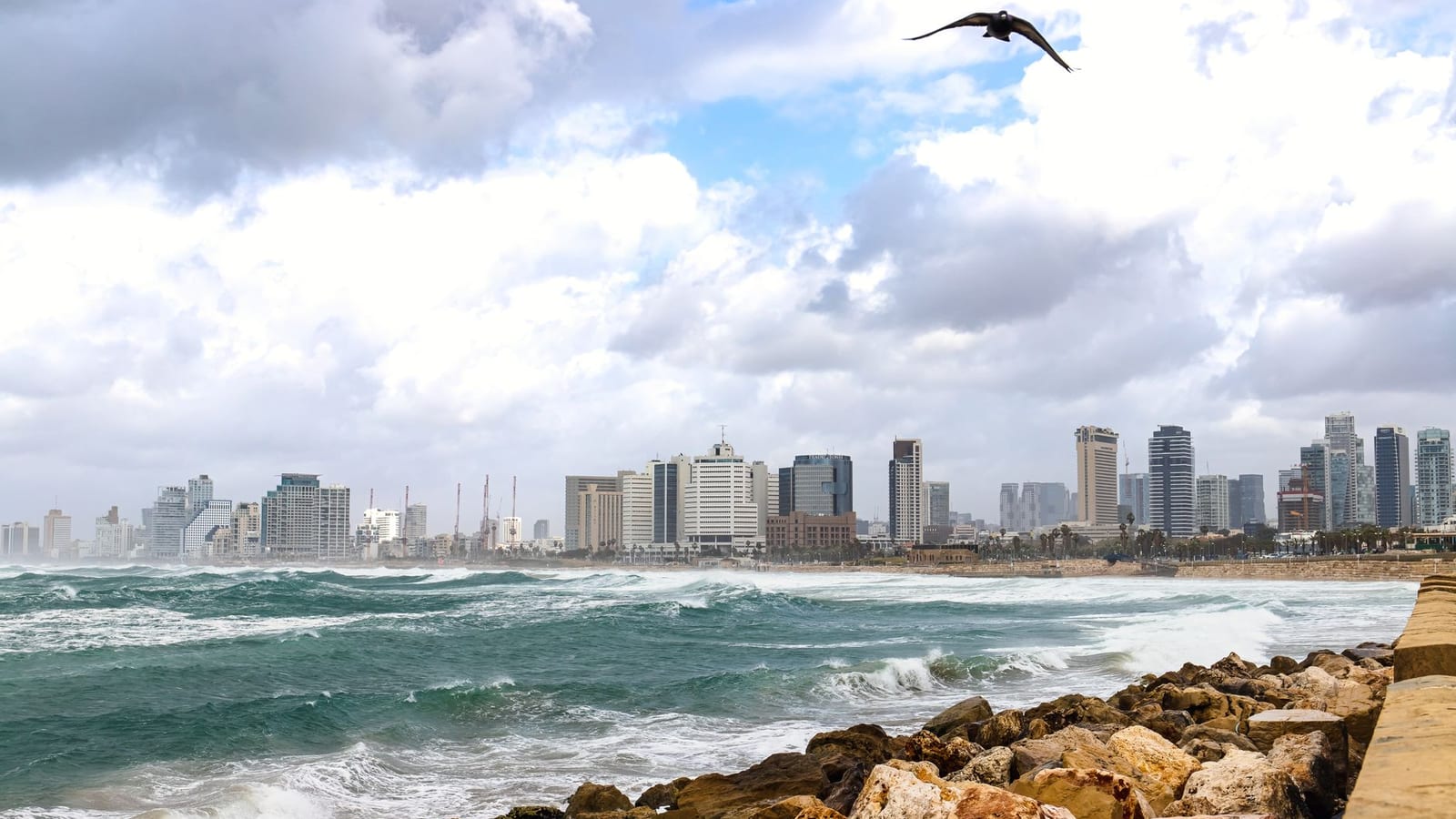
A siren in Haifa is not just a sound of war. It is also a warning to oil markets, airlines, exporters, and families far beyond West Asia.
Hezbollah said it fired 135 Fadi-1 missiles towards Haifa, targeting a military base south of the city. Israel answered within hours with heavy air strikes across southern Lebanon.
For Indian readers, this is not a distant fight on a map. When West Asia burns, fuel prices, shipping routes, aviation costs, and investor nerves all feel the heat.
Haifa attack widens the battlefield
Hezbollah’s strike on Haifa matters because the city is not a border outpost. It is Israel’s third-largest city and a key commercial centre.
The group said it used 135 Fadi-1 missiles in Monday’s attack. The Israeli military said rocket fire hit Israeli areas through the evening.
Local reports from Israel put the injured at 10 people in the Haifa region. Two more people were reported injured in the south.
That tells us something uncomfortable. The conflict has moved well beyond symbolic strikes. Both sides now want to show reach, speed, and staying power.
Hezbollah is backed by Iran and has fought Israel for decades. It has also framed its latest actions around the war in Gaza.
Israel, meanwhile, is fighting Hamas in Gaza and Hezbollah in Lebanon at the same time. That stretches its military, economy, and public mood.
Israel pounds southern Lebanon
The Israeli military said its air force hit more than 120 Hezbollah targets in southern Lebanon within one hour. It described the strikes as a wide air operation.
A few days earlier, Israel said it had attacked around 1,600 locations in Lebanon. That scale shows how quickly a border conflict can become a regional crisis.
Lebanon’s official and medical sources said Israeli strikes killed 11 people and injured 17 others. In Kayfoun village, a strike on a residential building killed six people and injured 13.
Another Israeli strike killed five people and injured four more, Lebanese authorities said.
For civilians, these numbers are not strategy. They are homes, streets, clinics, and families suddenly pulled into a war they cannot control.
This is where the business angle becomes painfully real. Wars first hit bodies and buildings. Then they hit ports, insurance rates, supply chains, and food prices.
October 7 shadow still hangs
Monday’s strikes came exactly one year after the October 7, 2023 attack by Hamas on southern Israel. That assault changed the politics of the region.
Hamas fired thousands of rockets and sent armed fighters across the border. Around 1,200 people were killed in Israel, and more than 250 were taken hostage.
Iran’s Supreme Leader Ayatollah Ali Khamenei marked the anniversary by calling the attack a turning point for Palestinians. His message showed that Tehran still sees the conflict as a wider regional struggle.
That matters because markets do not fear only today’s attack. They fear the next link in the chain.
If Israel hits deeper into Lebanon, Hezbollah may respond with larger salvos. If Iran gets drawn in more openly, oil traders will get nervous fast.
India has seen this movie before. A West Asian crisis rarely stays inside West Asia. It reaches petrol pumps, airline balance sheets, and import bills.
Why India should watch closely
India imports most of its crude oil. Even a short jump in global prices can disturb household budgets here.
A small business owner in Surat, Ludhiana, or Coimbatore may not track Haifa on a map. But higher diesel prices can raise transport costs within weeks.
Airlines also watch this region closely. Longer flight paths, higher insurance costs, and fuel spikes can make tickets more expensive.
For exporters, uncertainty adds another headache. Shipping firms price risk into contracts. Ports and routes near troubled waters become costlier to use.
Investors also dislike open-ended wars. Stock markets can handle bad news better than unclear news. West Asia now has plenty of unclear news.
There is another Indian concern too. Many Indian workers live across West Asia. Their safety, wages, and travel plans often depend on regional calm.
The government will watch evacuation risks, energy supplies, and diplomatic channels. In such moments, quiet backroom coordination matters more than loud statements.
Markets hate a spreading war
The real danger now is not one missile strike or one air raid. It is escalation by habit.
Each side responds because it cannot look weak. Then the other side responds harder. Soon, restraint starts looking like defeat.
For businesses, that is the worst kind of crisis. You cannot plan fuel costs, insurance, logistics, or capital spending when tomorrow’s headline may change everything.
Israel wants to degrade Hezbollah’s military capacity. Hezbollah wants to prove it can still hit major Israeli cities. Iran wants pressure on Israel without paying the full price of direct war.
Ordinary people pay first. Lebanese civilians face air strikes. Israelis face rocket sirens. Families in Gaza remain trapped in a brutal war.
And far away, consumers in India may face the second wave. That wave comes through petrol, freight, inflation, and market swings.
The latest fighting around Haifa and southern Lebanon is a reminder of how connected the modern economy has become. A missile fired in West Asia can travel, in financial terms, all the way to an Indian household budget. The question now is whether leaders in the region can step back before this becomes another long war that everyone funds, but ordinary people suffer most.