Kerala potholes and civic gaps hit local trade, services
Kerala's damaged roads, waterlogging and stalled repairs are raising daily costs for traders, commuters, schools and public services across districts.
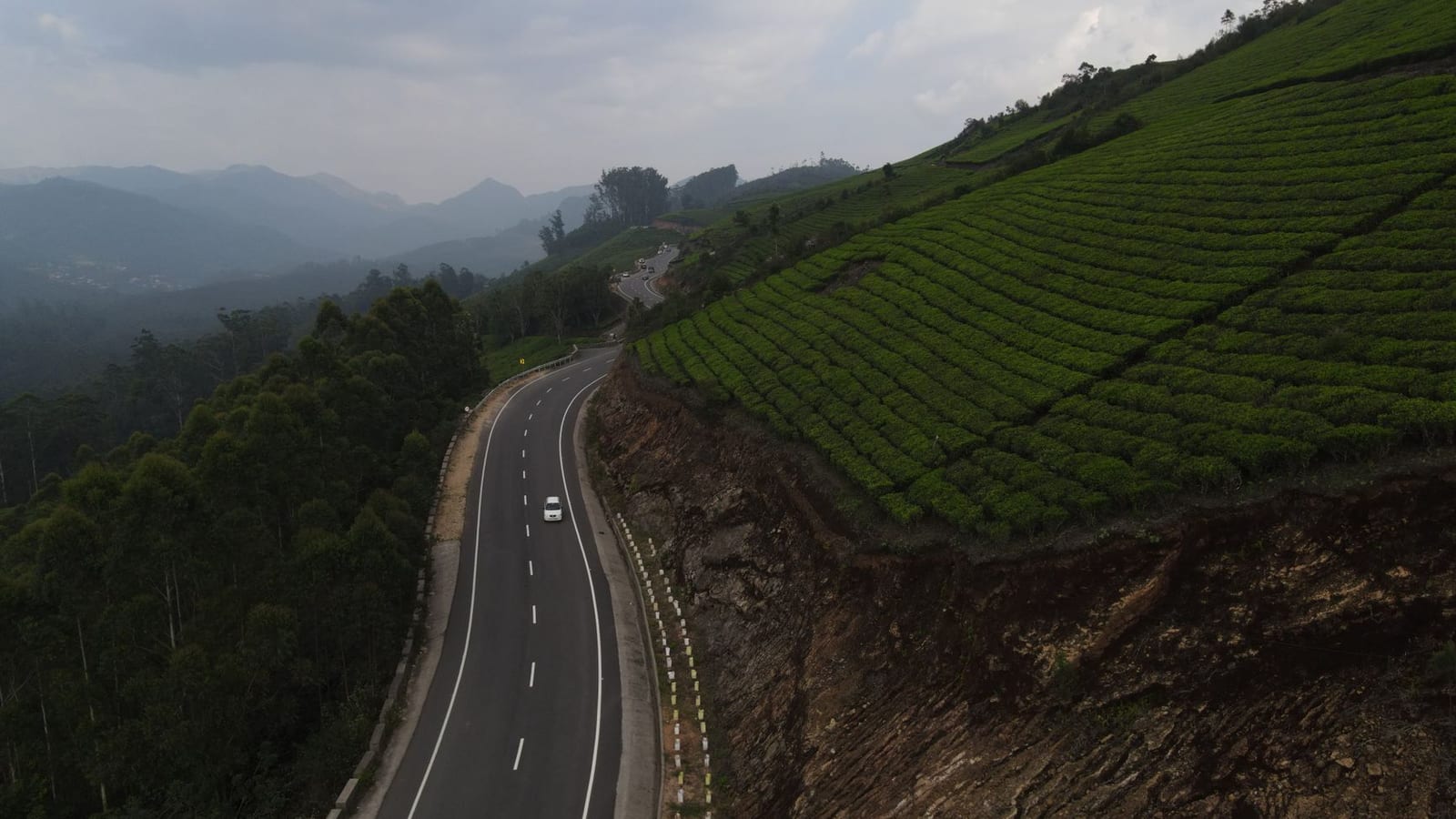
A broken road is never just a broken road in Kerala. It is a late bus, a missed hospital visit, a delivery delayed, and a shopkeeper watching customers turn away.
Across Kerala, district after district is seeing the same small civic failures pile up. Waterlogging near anganwadis, potholes on busy routes, leaking public buildings, unsafe bus stands, and stalled repairs are no longer isolated complaints.
For a state that sells itself on high social indicators, this is the uncomfortable bit. Everyday infrastructure now decides how easily people work, travel, study, sell, and get medical care.
Local roads are hurting daily trade
The loudest signal comes from roads. From Palakkad to Kozhikode, and from Ernakulam to Malappuram, damaged stretches are slowing ordinary life. Potholes are back on the Palakkad, Kulappully route. In Kozhikode, one road has been compared to an idli plate because of its uneven surface.
That sounds funny, until a two-wheeler skids or a small trader loses half a day. In Kerala’s towns, a bad road is not just a transport issue. It raises the cost of doing business.
A small shop owner depends on daily deliveries. A fish seller depends on reaching the market early. A student depends on a bus arriving on time. When roads fail, each person pays in cash, time, or risk.
National Highway 66 work has already changed travel patterns in many districts. Near Paravur and Moothakunnam, travellers continue to face hardship. In Kollam, concerns have come up over the use of lake silt in highway construction.
Big projects bring long-term gains, but the middle phase is painful. If traffic diversion, drainage, and temporary surfaces fail, the public remembers the dust before the promise.
Public buildings show quiet neglect
The second story is about public buildings. A new building standing unused in Pala while the old depot decays tells its own tale. So does a leaking anganwadi in Thrissur, which had to shut.
These are not grand failures. They are local, daily, and deeply irritating. Parents notice when an anganwadi cannot function. Commuters notice when a bus stand has no basic comfort.
At KSRTC’s Pandalam bus stand, the question being asked is simple. Free travel matters, but what about facilities? A welfare promise feels incomplete when the waiting area itself is poor.
This matters for the economy too. Bus stands are small commercial hubs. Tea shops, snack sellers, auto drivers, lottery vendors, and small stores depend on footfall. When a bus stand becomes uncomfortable, that local economy shrinks quietly.
Health infrastructure also appears in the district complaints. One community health centre has been described as needing urgent care itself. In Ernakulam, Justice Devan Ramachandran praised Kerala’s healthcare standards. That praise is fair, but the ground-level test is tougher.
Kerala’s health system earned respect because people could reach care close to home. If local centres weaken, patients travel farther. That means more spending, more leave from work, and more pressure on bigger hospitals.
Waterlogging exposes planning gaps
Water is the third thread running through the state’s local troubles. In Thiruvananthapuram, water has collected in front of an anganwadi. In Thrissur, residents protested after repeated waterlogging. In Kasaragod, the municipality stepped in after complaints.
Drainage is not glamorous. No politician gets a giant photograph for cleaning a culvert. Yet nothing exposes civic weakness faster than rainwater sitting where children, workers, and patients must walk.
Kozhikode has its own version. On the airport road, drainage trouble has pushed water onto the road. That is not just messy. It slows traffic on a route linked to travel, business, tourism, and airport movement.
A broken pipe left unattended for two months in Ernakulam adds another layer. When water supply or drainage systems fail, citizens see the same pattern. Complaints move faster than repairs.
For a household, that means inconvenience. For a small business, it can mean spoilage, fewer customers, and higher cleaning costs. For a delivery worker, it means unsafe roads and longer trips.
Transport failures hit working people
Kerala’s economy runs on movement. Nurses, Gulf-return families, students, office staff, traders, drivers, and migrant workers depend on buses, autos, and two-wheelers. So every local transport gap has a wider cost.
In Idukki, passengers face hardship because there is no night bus from Marayoor to Munnar. That one missing service changes how people plan work, hospital visits, and travel.
In Kannur’s Pilathara, passengers are struggling without enough space to sit or stand. In Aluva, trailer lorry parking on the Munnar state highway has raised concern. In Vyttila, a lorry crashed into a median.
These are separate incidents, but they point to one reality. Kerala’s roads carry more than they were designed to carry. The mix includes tourist vehicles, buses, trucks, scooters, pedestrians, and schoolchildren.
Accidents in Malappuram, Kollam, Kannur, and elsewhere show how thin the safety margin has become. A tanker collision, a car hitting vehicles, a scooter accident, or falling tree branches can disrupt an entire locality.
Fuel price protests by INTUC and UTUC in Kollam show another pressure point. When fuel prices rise, transport workers feel it first. Soon after, commuters and small businesses feel it too.
Civic repair needs sharper accountability
There are also signs of action. A canal bund road cleaning has begun in Thiruvananthapuram. Drainage work has started on the Irinjalakuda bypass. In Pathanamthitta, projects worth ₹2.29 crore have begun to reduce human-wildlife conflict.
That last point is important. In districts like Wayanad, wildlife attacks affect farmers directly. A dairy farmer injured by a wild elephant attack is not just a human-interest story. It is also about rural income and risk.
A farmer who fears the road to his cowshed cannot fully focus on production. A family that loses crops or livestock loses working capital. Wildlife conflict is now an economic issue, not only an environmental one.
Waste management is another practical concern. Talayolaparambu wants a material collection facility to handle plastic waste. In Palakkad, the women and children’s hospital area has become difficult to walk through because of poor sanitation.
These are fixable problems. They need boring but steady governance, clear ownership, and follow-up. The public does not need speeches when a drain is blocked. It needs a crew, a deadline, and someone answerable.
Kerala has built its reputation on literacy, health, migration income, and public awareness. But the next test may be far more local. Can it keep roads usable, bus stands humane, drains clear, and public buildings safe?
For ordinary readers, that is the real business story. Growth does not begin only in boardrooms or investor meets. It begins when a worker reaches on time, a child enters a dry anganwadi, and a small shop can open without first fighting the road outside.