Mahesh Tilekar Slams Paid Saint Acts at Family Rituals
Marathi filmmaker Mahesh Tilekar criticises paid performers dressed as Swami Samarth, saying devotion should not become event commerce.
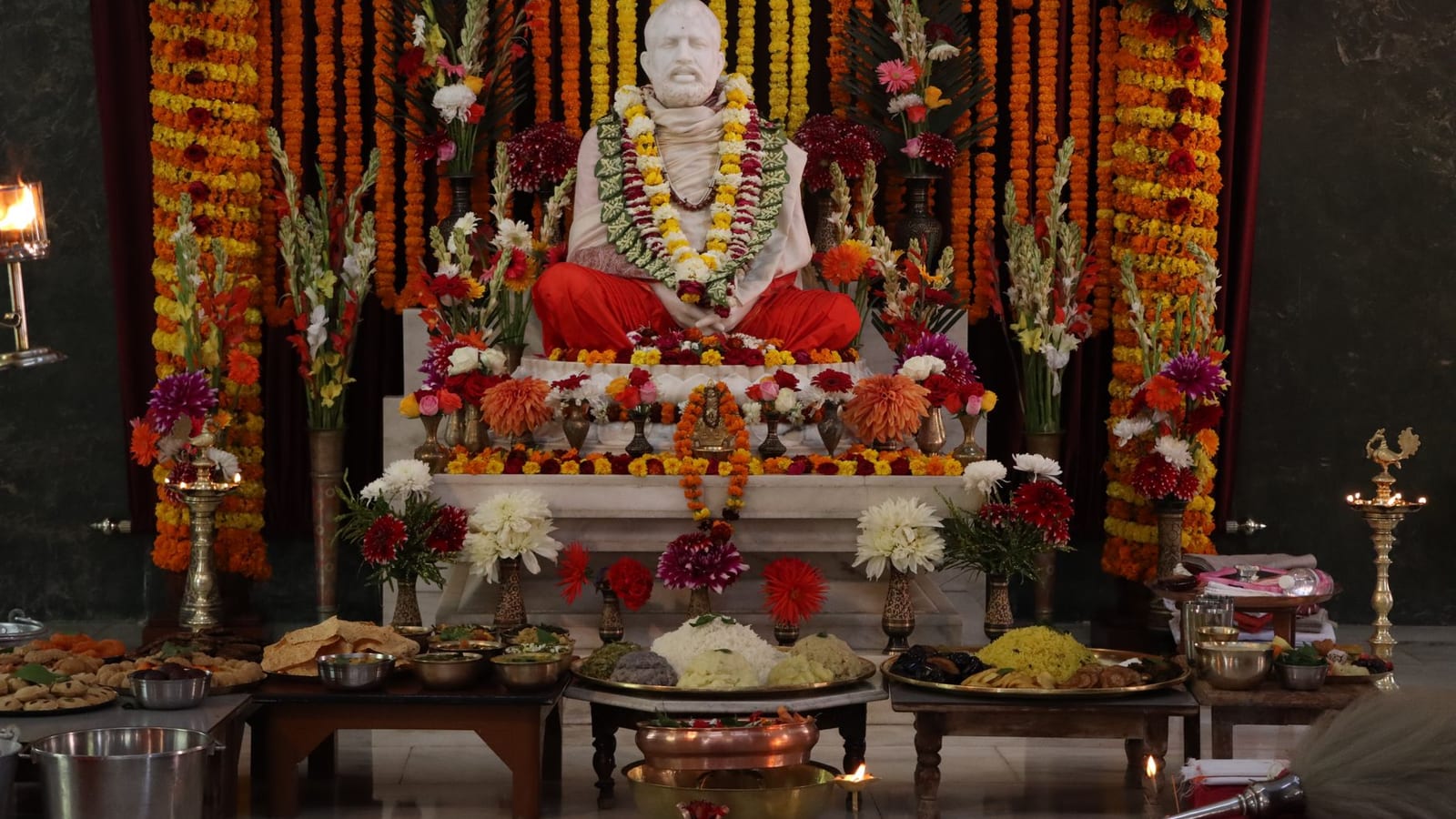
A baby’s naming ceremony should be a family’s quiet joy, not a stage for selling faith.
That is the uncomfortable point Marathi filmmaker Mahesh Tilekar has raised, after watching videos where performers dress as saints and turn devotion into a paid act. His anger is not about belief. It is about what happens when belief becomes a business pitch.
Tilekar said every devotee has the right to worship Swami Samarth in their own way. But he drew a hard line at people using that devotion to make money, especially by appearing in the saint’s attire at private events.
Faith meets the marketplace
Across India, religion has always supported livelihoods. Priests, musicians, flower sellers, caterers, decorators, drivers, printers and local vendors all depend on festivals and family rituals.
That is not new, and it is not automatically wrong. A temple economy can feed many homes.
The problem begins when reverence turns into performance without restraint. Tilekar said he had seen videos where a person dressed as Swami attends a baby’s naming ceremony and conducts the ritual.
For many devotees, this is not just theatre. Swami Samarth, linked closely with Akkalkot, remains a deeply personal figure of faith. Families visit temples, keep photos at home and mark important days with prayer.
So when someone imitates the saint for an event, the act can feel jarring. It blurs the line between devotion and entertainment.
Tilekar’s point is simple. Keep God in the place of God. Do not pull the divine into a costume act for applause, money or social media clips.
Why Tilekar objected so sharply
Tilekar said some performances go beyond respectful representation. He referred to an artist in Swami’s attire making gestures that, in his view, the saint would never have made.
That detail matters. In religious performance, body language is not a small thing. A gesture can look comic, casual or commercial, even when the performer claims devotion.
He also made an important distinction. An actor playing Sai Baba in a film is one thing. Sudhir Dalvi’s portrayal in cinema belonged to a scripted artistic work, made for storytelling.
But dressing like a saint and moving around public spaces or private functions to earn money is different. Tilekar said that crosses into selling faith itself.
This is where the business angle becomes uncomfortable. Once there is a market, supply follows. If families pay for a saint-like appearance at ceremonies, more performers will offer it.
Then the pressure shifts from devotion to demand. What looks respectful today can become louder tomorrow, because the market rewards visibility.
The new business of devotion
The rise of short video platforms has changed this space. A religious act at a private ceremony no longer stays private. It can become a clip, then a trend, then a booking category.
That changes incentives. A performer is no longer serving only the family in front of him. He is also performing for the phone camera.
This is why Tilekar’s comments touch a larger nerve. India’s devotional economy is no longer limited to temples, pilgrimages and festival stalls. It now includes event packages, online bhajans, themed ceremonies and viral performances.
There is dignity in many of these livelihoods. A singer at a bhajan programme works hard. A stage crew at a religious event earns honestly. A small vendor outside a temple often survives on daily footfall.
But the line gets thin when faith figures become props. The question is not whether people should earn from religious gatherings. The question is what they are selling.
Are they selling music, food, lighting and organisation? Or are they selling the illusion of divine presence?
For a business audience, that is the sharper point. Markets do not create taste or restraint by themselves. They chase demand. If people reward imitation, imitation grows.
Akkalkot story adds balance
Tilekar did not speak like someone hostile to devotion. He also shared his own experience in Akkalkot, where organisers at an annachhatra wanted his Marathi Taraka show.
He said he first hesitated because the show includes dance. In a deeply devotional setting, he felt that may not fit.
The organisers still requested him to perform. So Tilekar said he chose songs that suited the atmosphere. The artistes stayed at the bhakt niwas and ate at the annachhatra.
He said he felt satisfied that the show happened at Swami’s doorstep.
That part gives his criticism more weight. He is not rejecting cultural programmes near religious spaces. He is arguing for judgement, context and respect.
There is a difference between adapting an event to a sacred place and turning the sacred figure into an event product.
That distinction often gets lost in India. We mix faith, culture, commerce and entertainment with great ease. Sometimes it creates beauty. Sometimes it creates a bazaar where nobody asks where the boundary should be.
What devotees may now ask
For ordinary families, this debate is not abstract. Many households spend real money on ceremonies linked to birth, marriage, housewarming and death rituals.
When someone offers a “special” religious package, families may feel pressure. Nobody wants to appear less devoted at an important event.
That is how markets quietly push spending. What began as a simple puja can become a decorated stage, a theme, a performer and a video package.
A middle-class family may not say no easily, especially when elders, relatives and neighbours are watching.
Tilekar’s comments may make some families pause before booking such acts. That pause is useful. Faith should bring comfort, not a competitive display.
The same applies to performers and organisers. There is space for devotional art. India has a rich tradition of kirtan, bhajan, abhang, natak and cinema shaped by belief.
But the artist carries responsibility when the subject is sacred to millions. Costume alone cannot create respect. Tone, intent and restraint matter more.
Mahesh Tilekar has opened a small but necessary conversation. In a country where faith feeds both the heart and the marketplace, the real test is not whether people can earn from devotion. The test is whether they know when not to sell it.