Mahesh Tilekar Slams Swami Samarth Commercial Shows
Film director Mahesh Tilekar criticises people monetising Swami Samarth devotion through saint-like acts at private rituals such as naming ceremonies.
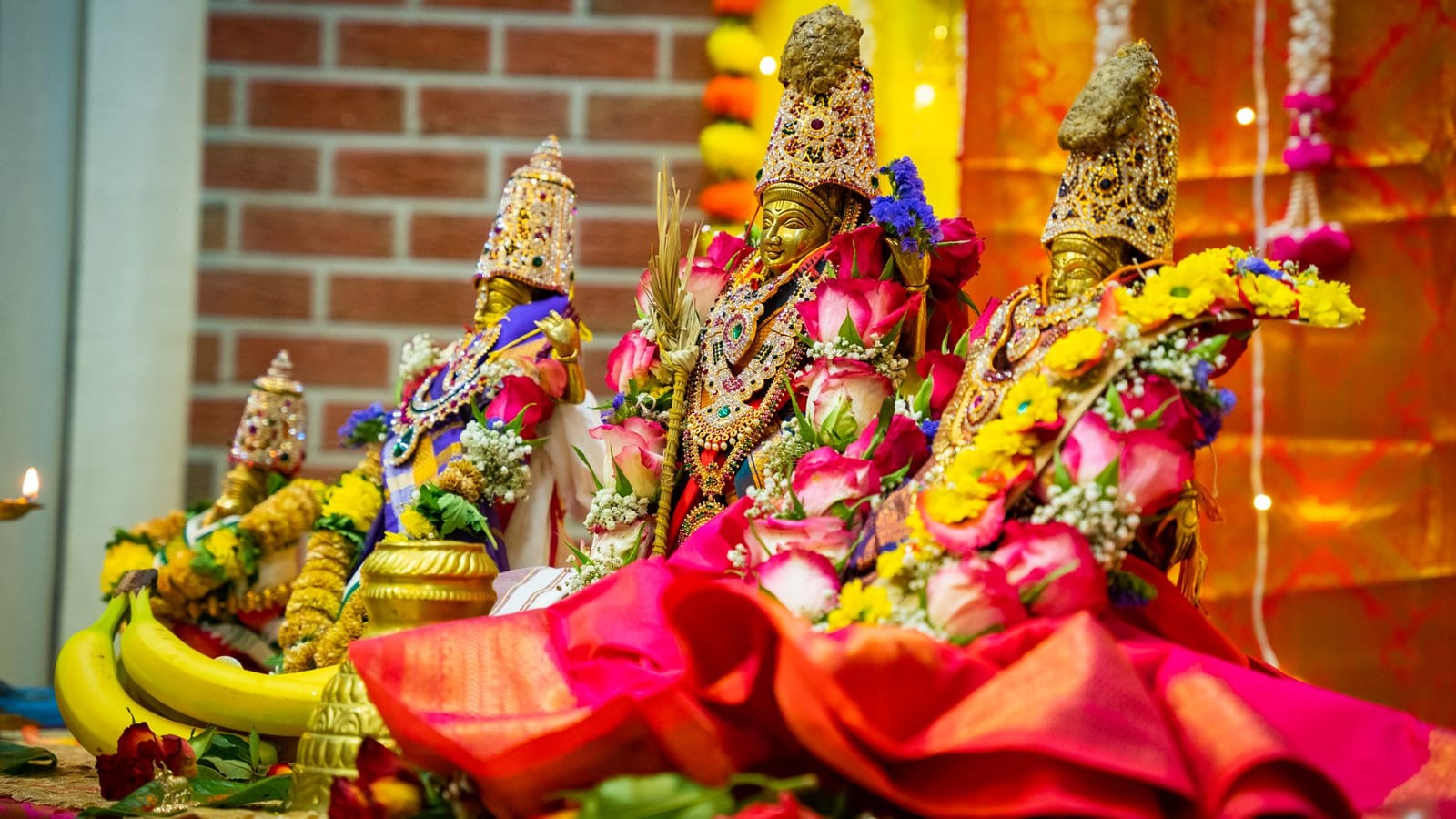
A baby naming ceremony is usually a family moment. In today’s devotional economy, even that can become content.
Film director Mahesh Tilekar has stirred a familiar but uncomfortable question. Where does faith end, and where does business begin? In a recent interview, Tilekar said he dislikes the way some people turn devotion to Swami Samarth into a money-making act.
His point was not against faith. He made that clear. His anger was aimed at people who dress up as saints, perform public gestures, and turn private belief into a marketable show.
Tilekar questions devotional business
Tilekar said every person has the right to worship Swami in their own way. But he objected to those who, in his view, use that devotion to earn money.
He said he has seen videos where a person dressed as Swami appears at naming ceremonies. The person then performs rituals around the newborn child. Tilekar said such scenes made him feel pity, not reverence.
This is where his criticism becomes larger than one viral video. India has always had a deep public culture of faith. Temples, yatras, bhajans, plays, and films have all carried devotion into public spaces.
But Tilekar is pointing to a sharper modern twist. Faith now travels through short videos, event bookings, costumes, and staged performances. The mobile camera rewards what looks dramatic, not always what feels sincere.
For families, such performances may feel emotional. A saint-like figure arriving at a ceremony can look like a blessing. For performers, it can become work. For audiences online, it becomes shareable content.
That triangle is where the market sits. Faith brings trust. Performance brings attention. Attention can bring money.
The line between art and imitation
Tilekar made an important distinction. He said an actor playing Sai Baba in a film is one thing. He referred to Sudhir Dalvi, who famously played Sai Baba on screen.
Cinema creates a frame for the audience. Viewers know they are watching a portrayal. The actor, costume, lighting, and story all sit inside that frame.
Tilekar argued that a person wearing saintly clothes on the street is different. If the person uses that image to sell a performance, he sees it as wrong.
That may sound harsh to some. After all, many folk traditions use costume, song, and impersonation. India’s religious culture has long made room for theatre.
But Tilekar’s concern is about intent. He seems to ask a simple question. Are you helping people remember the divine, or are you selling the divine?
That question matters because devotion carries emotional power. A believer may not treat such an act as ordinary entertainment. They may see it as sacred.
When money enters that space, the balance changes. The performer has an incentive to exaggerate. The organiser has an incentive to promote. The viewer may struggle to separate faith from showmanship.
Viral faith meets local economies
This is not just a culture story. It also has a business angle, though nobody may call it that on a poster.
Around temples and devotional communities, many livelihoods exist. Flower sellers, food stalls, small hotels, transport operators, musicians, and event workers all earn from faith-linked activity.
There is nothing wrong with that. In fact, pilgrimage towns depend on these small earnings. The issue begins when belief itself gets packaged as a paid spectacle.
A kirana store owner near a temple may sell prasad packets. A driver may take families to a shrine. These are visible services. The customer knows what is being bought.
But when someone appears dressed as a saint, the transaction becomes blurry. Is the family paying for performance, blessing, ritual, entertainment, or status?
That blur creates room for discomfort. It can also create room for exploitation, especially when ordinary families act out of fear, hope, or grief.
Tilekar did not accuse any named person of fraud. His criticism was moral and cultural. But the warning is still clear. Markets grow fastest where emotion is strongest.
Today, social media has made that growth easier. A short clip from a ceremony can travel far beyond the family group. What once stayed inside a lane or village can now build a performer’s public image.
That visibility can attract more bookings. It can also normalise the act. Soon, something that once looked odd starts looking acceptable because it is everywhere.
Akkalkot experience shaped his view
Tilekar also spoke about his own visit to Akkalkot, a town closely linked with Swami Samarth devotees. He said people there had asked him to stage his “Marathi Taraka” show.
He hesitated because the show includes dance. Tilekar said he felt the setting required care. If a performance took place there, the song selection had to match the place.
He later went ahead after requests from the organisers. He said the artists stayed at the bhakta niwas and ate at the local annachhatra. For him, performing near Swami’s doorstep brought satisfaction.
That memory explains his position better. Tilekar is not rejecting performance near devotion. He is asking for sensitivity, restraint, and context.
A devotional place can host art. But the art must understand where it stands. A temple town is not just another stage with a crowd.
This distinction is useful for event organisers too. Devotional audiences are not ordinary ticket buyers. Many arrive with emotion, habit, and family memory.
If organisers respect that, performance can deepen the experience. If they chase attention, the same performance can cheapen it.
Tilekar’s own film work includes titles such as “Ladi Godi”, “One Room Kitchen”, “Aadhar”, and “Hawahawai”. He comes from a world that understands staging, costume, and audience reaction.
That is why his criticism carries a particular bite. He is not an outsider mocking performance. He is an insider warning against careless performance.
Why this debate will grow
India’s faith economy will not shrink. If anything, it will become more visible, more organised, and more digital.
Pilgrimage towns now compete for visitors. Devotional music finds new listeners online. Religious festivals draw sponsors, vendors, influencers, and local politicians.
For many small workers, this economy offers income. That part deserves respect. A flower seller, musician, cook, driver, or cleaner should not be shamed for earning honestly around faith.
But the harder question remains. Should a saint’s image become a movable business model?
Tilekar’s answer is clearly no. He said people should keep God in God’s place. That line may sound old-fashioned, but it carries a modern warning.
When devotion becomes content, the loudest act can defeat the quietest prayer. And when belief becomes a booking, ordinary people may pay not only money, but also trust.
The next phase of this debate will not be about one actor in costume. It will be about whether India can protect sincerity while allowing livelihoods to grow around faith. That balance will decide whether devotion stays intimate, or becomes just another performance on a phone screen.