Mumbai Police Bust Girgaon Hotel Sex Racket, Rescue Actors
Mumbai Police say two actresses were rescued from an alleged Girgaon hotel sex racket after a decoy operation; a makeup artist was arrested.
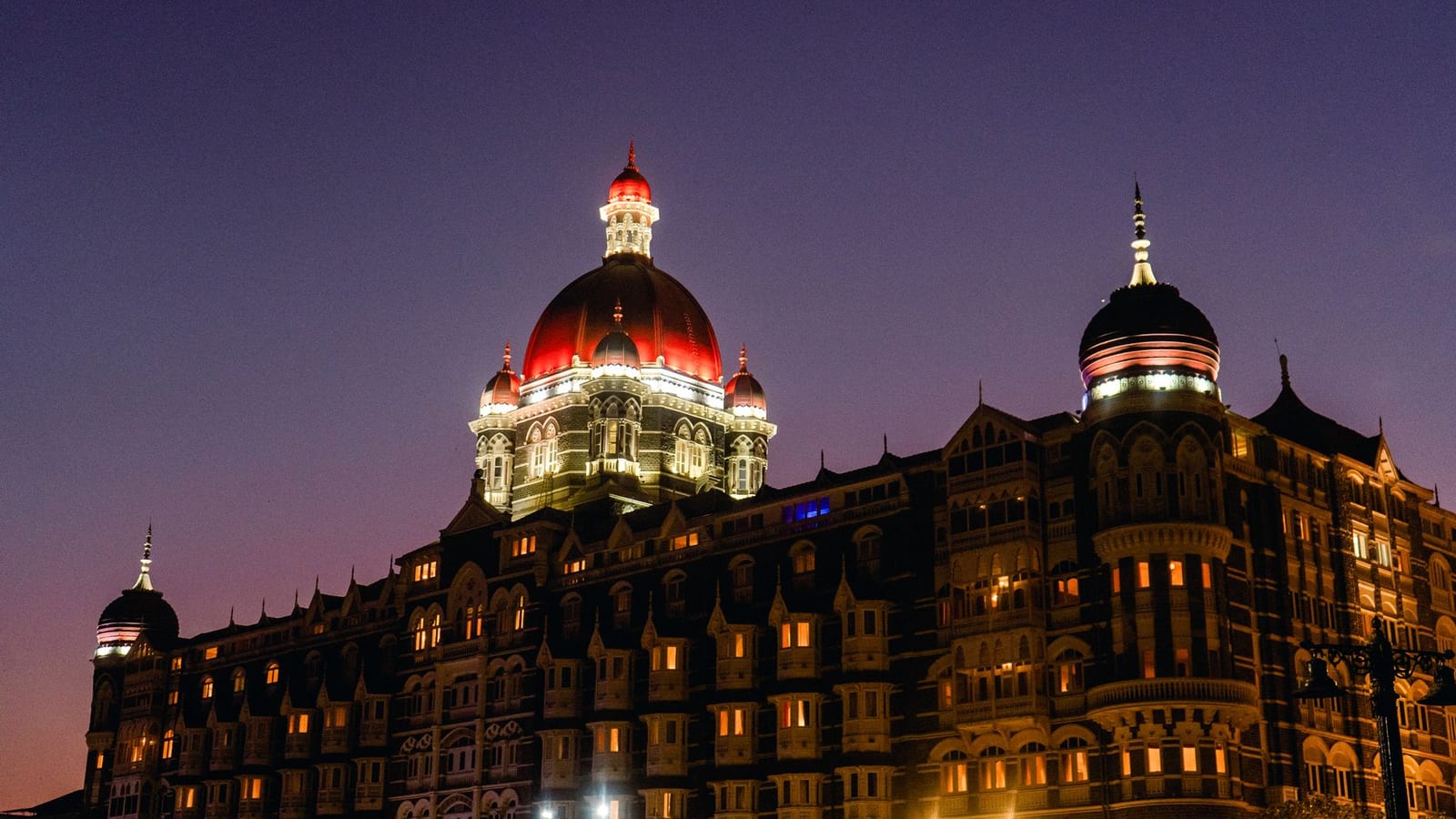
A hotel room in south Mumbai has pushed a familiar question back into public view. Who really profits when vulnerable women get trapped between glamour, debt, and fear?
Mumbai Police say they have busted an alleged sex trade network operating from a hotel in Girgaon. Two actresses were rescued during the raid. One is known for lead roles in Marathi cinema, while the other has appeared in Bengali and Bollywood films in smaller parts.
Police have not disclosed the women’s identities, and that matters. In cases like this, the names often become gossip faster than the crime becomes understood. The real story is not scandal. It is coercion, money, and the quiet machinery that can sit around show business.
Police used a decoy customer
Police said they first verified the alleged illegal activity before moving in. A decoy customer was sent to the hotel, a common method used in such operations.
Once the police were satisfied that the alleged racket was active, they raided the premises. During the operation, they rescued the two actresses and caught one alleged broker.
Police described the arrested man as a makeup artist who had worked with celebrities. That detail gives the case a sharper edge. It suggests the accused may have used access, trust, or industry connections to reach women.
Investigators now need to establish much more than one hotel-room transaction. They are looking at money transfers, phone records, and possible links to a wider trafficking chain.
The money trail matters most
Police said the women were allegedly forced into sex work, while customers were charged large sums. That is where the business side of this crime begins.
A racket like this does not survive on one person alone. It usually needs recruiters, handlers, room access, transport, customers, and payment channels. Each link leaves a trace if investigators follow the money carefully.
The hotel angle also needs attention. Police will have to examine whether staff knew what was happening, ignored signs, or were misled by the accused.
For ordinary readers, the phrase “large sums” can sound vague. But in such cases, the victim often sees little or none of that money. The people controlling the network keep the margins.
That is why financial records matter. Bank transfers, cash withdrawals, digital payments, and call logs can show who benefited. They can also separate casual contact from organised exploitation.
Film glamour hides real precarity
The case also reminds us of a hard truth about entertainment work. The film industry looks glamorous from outside, but many workers live project to project.
Actors, makeup artists, dancers, junior artists, and technicians often depend on informal networks. A phone call can mean a job. A missed call can mean no income that week.
That informality creates opportunity. It also creates risk. When access to work depends on middlemen, people with influence can misuse it.
This does not mean the industry itself should be painted with one brush. But it does mean the industry needs safer reporting channels, cleaner hiring systems, and stronger support for workers who face pressure.
The two rescued women are not public spectacle. They are complainants or victims in a criminal investigation. Their privacy should stay protected while police test the evidence in court.
Mumbai has seen this before
This is not the first such raid in the wider Mumbai region this year. In January, an anti-human trafficking team uncovered an alleged sex trade racket at a lodge near Turbhe Naka in Navi Mumbai.
Police rescued seven women in that operation and arrested three people linked to the racket. That earlier case showed how lodges and budget hotels can become convenient spots for such networks.
The Girgaon case now raises a broader policing question. Are these separate rackets, or do some of them share handlers, customers, or payment routes?
Police have not confirmed any link between the two cases. For now, they are treating the Girgaon investigation on its own facts.
Still, repeated raids tell us something. The market exists because customers pay, middlemen organise, and vulnerable women carry the worst risk.
What investigators must prove
The next stage will decide whether this case remains a raid headline or becomes a strong prosecution. Police must prove coercion, identify the people who controlled the operation, and connect the evidence clearly.
That means statements from the rescued women, hotel records, CCTV footage, payment data, and phone communication will all matter.
The accused broker’s celebrity links may draw attention, but they are not enough. Courts need evidence, not reputation.
Police also need to avoid turning the rescued women into public exhibits. In trafficking and forced prostitution cases, dignity is not a soft issue. It affects whether victims cooperate and whether others come forward.
For families watching this story unfold, the fear is simple. If women with screen visibility can be pushed into such danger, what happens to those with no public profile at all?
That is the uncomfortable lesson here. Behind the lights of entertainment and the anonymity of hotel rooms sits a cash business that feeds on silence. The real test now is whether the investigation stops at the visible broker, or follows the money to everyone who made this possible.