Pune airport metro link advances amid civic upgrades
Pune's proposed airport metro link, road works, water projects and property tax updates mark a busy civic push for commuters and businesses.
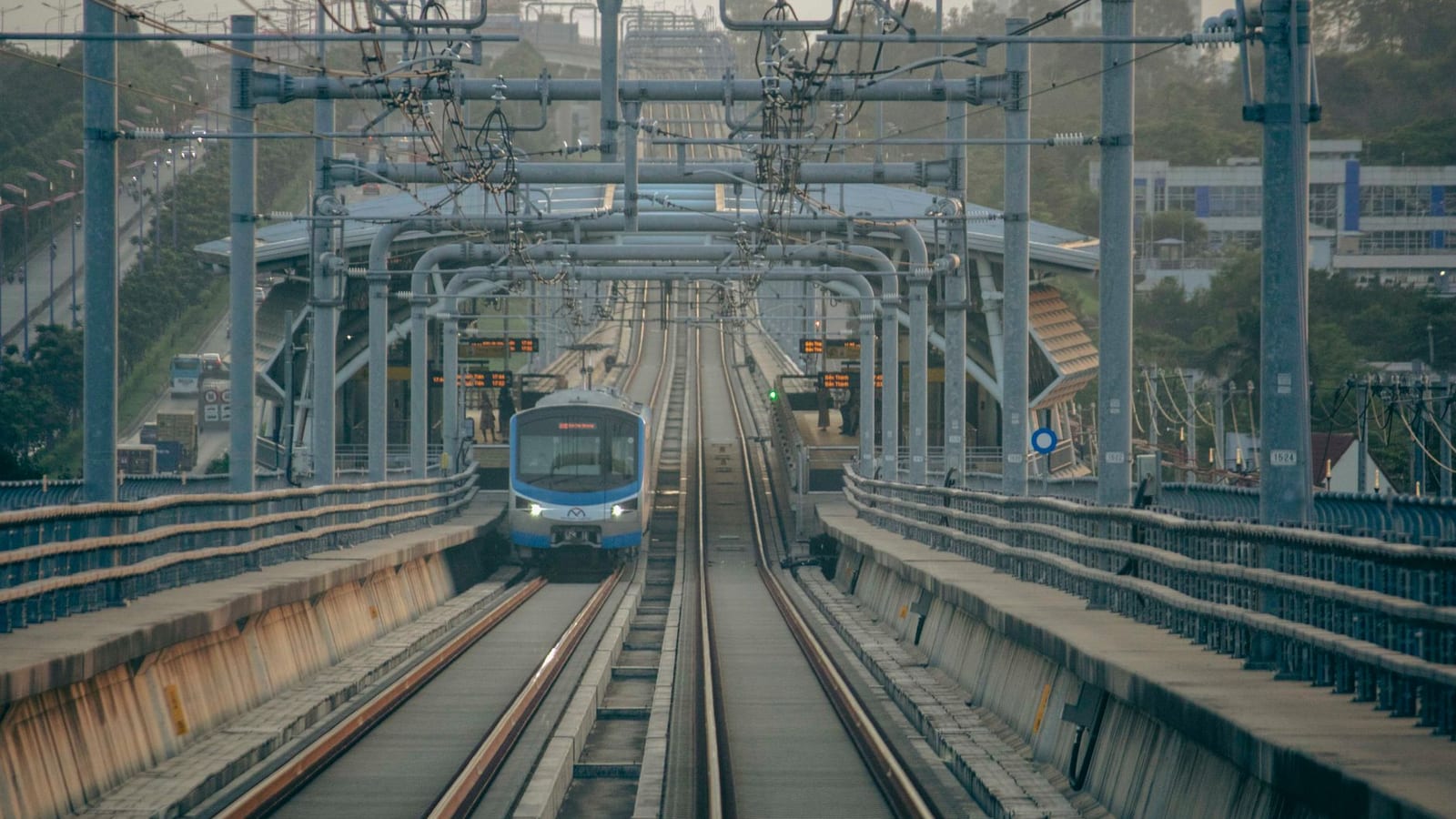
A Pune commuter can measure the city’s growth in traffic signals, not GDP charts. One more metro line, one more flyover, one more water project, and still the daily question remains simple: will the trip home get easier?
On July 1, 2026, Pune’s civic story moved on several fronts at once. Metro links, airport access, property tax collections, water supply, and land surveys all made news.
For residents, this is not abstract planning. It decides office commute time, home values, water pressure, and how much faith people keep in the city’s promises.
Airport metro gets political push
Union Minister of State Murlidhar Mohol has cleared the way for a new metro route from Kalyaninagar to Pune airport. For frequent flyers, airport staff, students, and tech workers, this could change a painful last-mile journey.
Anyone who has tried reaching the airport during peak traffic knows the problem. The airport is close on paper, but slow on the road. A direct metro connection can reduce that stress, if the execution keeps pace.
The move also matters for Pune’s business image. A city that sells itself as an IT, education, auto, and startup hub cannot afford poor airport access. Investors notice these small things. So do employees choosing between Pune, Bengaluru, Hyderabad, and Gurgaon.
The proposed airport route now joins a larger transport push across the city. The extended route from Vanaz to Chandni Chowk is also set to gain speed, with a double flyover planned from the garbage depot stretch.
Chandni Chowk needs more than concrete
Chandni Chowk has long been Pune’s traffic pressure cooker. It connects office-goers, students, long-distance travellers, and freight movement. When it jams, half the western edge of the city feels it.
The decision to build a double flyover along the expanded metro route shows planners now accept one truth. Metro alone cannot solve Pune’s road chaos. Roads, buses, footpaths, parking, and feeder services must move together.
For a small shop owner near a busy junction, construction often means months of dust and fewer customers. For a daily commuter, it means diversions before relief. That is the trade-off Pune keeps making.
The city needs better communication during such work. Citizens can live with disruption when timelines feel honest. They lose patience when barricades appear first and answers arrive later.
PCMC fills its tax chest
The Pimpri-Chinchwad Municipal Corporation tax department collected ₹526.14 crore in property tax during the first three months of the financial year. For a civic body, that is a strong start.
Property tax is not glamorous. But it pays for the basics people notice every day. Roads, street lights, drainage, garbage systems, and local services all depend on this money.
The corporation has now indicated action against defaulters, including property seizure. That will worry owners who have delayed payments. It will also please honest taxpayers who pay on time and expect fairness.
The bigger question is what PCMC does with this money. Tax collections become politically meaningful only when residents see better services. A housing society that pays lakhs in dues will ask why potholes remain outside its gate.
Water project exposes local fault lines
The Pavana closed pipeline project has reopened an old political divide. BJP leaders in Pimpri are pushing for it because it could ease the water problem in Pimpri-Chinchwad. BJP leaders in Maval oppose it because the project affects their local interests.
This is where urban growth becomes messy. Cities want water. Villages and upstream areas fear loss of control. No party can escape that tension, even within its own ranks.
The Pavana pipeline project matters because water decides the future of housing and industry. Developers can sell flats with glossy brochures. But residents judge the deal when tankers arrive at dawn.
For factories and small workshops in the belt, water uncertainty is also a business risk. It affects production, labour conditions, and expansion plans. A city can build metro pillars, but without reliable water, growth starts to wobble.
The state will need more than a technical answer here. It must build trust between Pimpri-Chinchwad and Maval. Compensation, transparency, and local consultation will decide whether the project moves or stalls again.
Land surveys could speed projects
The land records department has taken a decision aimed at reducing delays in land measurement for central and state infrastructure projects. In plain English, this means officials want faster surveys before big projects begin.
This sounds bureaucratic, but it is crucial. Many projects slow down because nobody agrees where one boundary ends and another begins. That affects roads, metro work, pipelines, public buildings, and compensation.
When land measurement drags, everyone pays a price. Contractors wait. Government costs rise. Citizens suffer half-built infrastructure. Landowners also remain stuck, unsure about payment or future use.
If the department can make surveys faster and cleaner, Pune’s infrastructure pipeline may move better. But speed should not come at the cost of fairness. A quick survey that creates disputes will only move the delay from one office to another.
There was another sign of administrative speed on the same day. MPSC declared results in just 17 days, with 9,253 candidates qualifying for the main exam. That matters to young aspirants who plan years around such timelines.
Pune is not short of ambition. It has students, entrepreneurs, factory workers, IT employees, traders, and builders all pulling the city forward. What it lacks, too often, is coordination.
The latest moves show a city trying to catch up with itself. Better airport access, stronger tax collections, faster land surveys, and water planning can all help. But ordinary Pune residents will judge only one thing: whether life becomes smoother after the announcements fade.