Pune Postal Service Starts Doorstep Parcel Pickup
Pune's new doorstep parcel pickup service could save time for residents, home sellers and small businesses relying on affordable logistics.
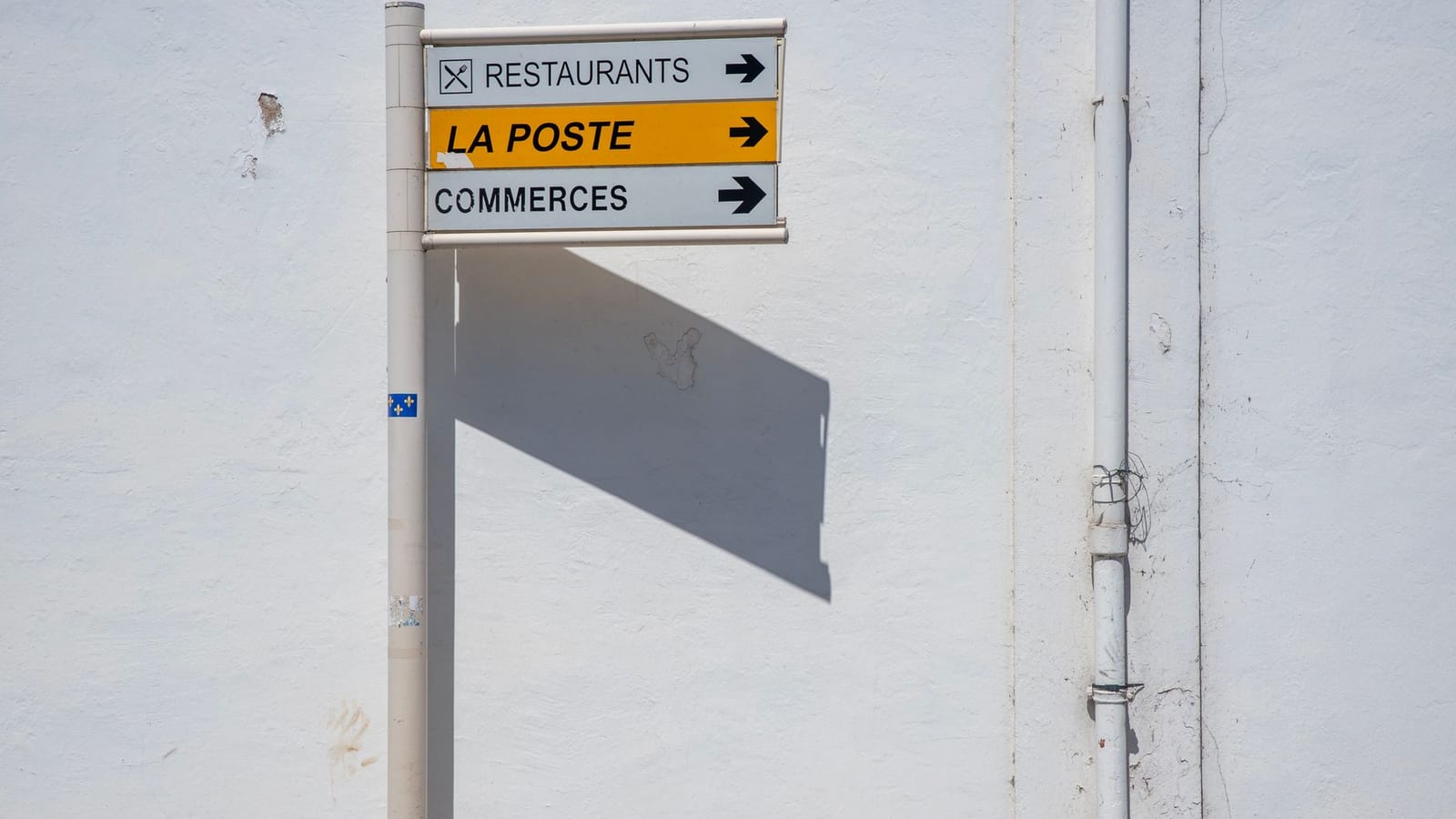
A parcel that no longer needs a post office trip can tell you a lot about a city.
In Pune, that small convenience now sits beside larger signs of strain: changing traffic routes, old transport experiments being pulled apart, dangerous trees falling in the rain, and even a land dispute turning violent at a construction site.
For residents and small businesses, this is not just civic news. It is the daily cost of living and working in one of Maharashtra’s fastest-growing urban markets.
Parcel pickup comes home
The Pune Postal Department has started a doorstep parcel pickup service for residents. The idea is simple. People who want to send parcels will not have to visit the post office.
For a city full of small sellers, home businesses, students, and working families, that can save real time. A boutique owner shipping orders, or a parent sending documents, now has one less queue to stand in.
This matters because logistics has become part of ordinary life. Even small businesses now sell through WhatsApp, Instagram, and marketplace apps. A cheap, reliable parcel service can help them compete without hiring delivery staff.
The postal department also gets a chance to stay relevant. Private courier firms have eaten into urban parcel traffic. Doorstep pickup tells customers that the old postal network can still move with the market.
Pune’s roads face another reset
On Alandi Road, the civic body has started removing the Bus Rapid Transit, or BRT, stretch between Vishrantwadi Chowk and Phulenagar Chowk. The Pune Municipal Corporation has begun work on the corridor.
BRT was meant to make buses faster by giving them dedicated lanes. In practice, many Indian cities struggled with poor design, mixed traffic, and weak enforcement. When a lane does not deliver speed, it becomes another fight for road space.
For commuters, the impact is immediate. Roadwork means diversions, slower rides, and uncertain bus timings. For shopkeepers along the route, even a few weeks of traffic disruption can hit footfall.
The move also raises a bigger question. Pune needs better public transport, but it cannot afford half-working systems. If buses get stuck again in regular traffic, the city may solve one problem and recreate another.
Palkhi traffic tests local trade
Traffic changes have also been announced on the Dehu-Alandi route for the Sant Tukaram Maharaj and Sant Dnyaneshwar Maharaj Palkhi processions.
For devotees, the Palkhi is faith, memory, and movement rolled into one. For traders, transporters, and daily wage workers, it also means planning around changed road access.
Such diversions are not unusual. Pune knows how large religious processions reshape the city for a few days. But the commercial impact is real, especially for delivery vans, small eateries, and roadside businesses.
The smart approach is early communication. When route changes arrive clearly, businesses adjust supply timings. When information comes late, even a small diversion can become a day’s lost income.
Real estate dispute turns violent
A more troubling story came from Sus Road, where a land dispute at a construction project reportedly led to firing late at night.
The report identified Balasaheb Ramdas Chandere, 54, a district chief of Shiv Sena (Shinde faction), and Sandesh Satish Mane, 37, from the Katraj-Kondhwa Road area. The dispute was linked to land at a construction project.
Land fights are not new in fast-expanding cities. Pune’s edges have seen years of pressure from housing demand, rising land prices, and political influence over local development.
For homebuyers, such disputes are frightening. A family booking a flat does not only look at carpet area and amenities. It also worries about title papers, approvals, and whether the project will get dragged into conflict.
For honest developers too, this is a warning. When land deals turn messy, the cost does not stay inside one project. Banks become cautious. Buyers hesitate. Neighbouring projects also feel the chill.
Rain exposes civic risks
The arrival of rain has also brought more incidents of dangerous trees and branches falling across Pune. That has pushed public safety back into focus.
This sounds like a routine monsoon problem, until one imagines a two-wheeler rider under a weak branch, or a parked car crushed outside a housing society. For ordinary people, civic failure often arrives without notice.
Tree audits, pruning, and emergency response do not sound glamorous. But they are basic urban management. A city that wants investment must first make streets safe.
There is also a cost to businesses. Fallen trees block roads, delay staff, damage vehicles, and interrupt deliveries. In a service-heavy city like Pune, time lost on roads quickly becomes money lost in offices and shops.
The same civic unease showed up in Pimpri-Chinchwad, where questions arose after personal assistants of MLAs were reportedly seen attending meetings of the municipal standing committee. Pimpri-Chinchwad Municipal Corporation handles decisions that affect contracts, services, and local spending.
Public bodies must avoid even the appearance of shadow control. When elected representatives or their offices influence committee work informally, citizens start doubting the process.
For taxpayers, this is not abstract. Committee decisions shape roads, drains, contracts, and maintenance. If the process looks unclear, trust falls before any project even begins.
Pune’s news cycle on July 2 looked scattered at first: parcels, buses, processions, trees, land, and civic meetings. But together, they show one clear picture. The city is growing faster than its systems can comfortably manage. For ordinary readers, the lesson is simple. Convenience helps, but trust matters more. Pune’s next phase will depend on whether its institutions can make daily life smoother, safer, and more predictable.