Vat Purnima Greetings Move From Rituals to Phones
Vat Purnima greetings are moving from banyan tree rituals to WhatsApp-style messages, blending Savitri-Satyavan tradition with digital sharing.
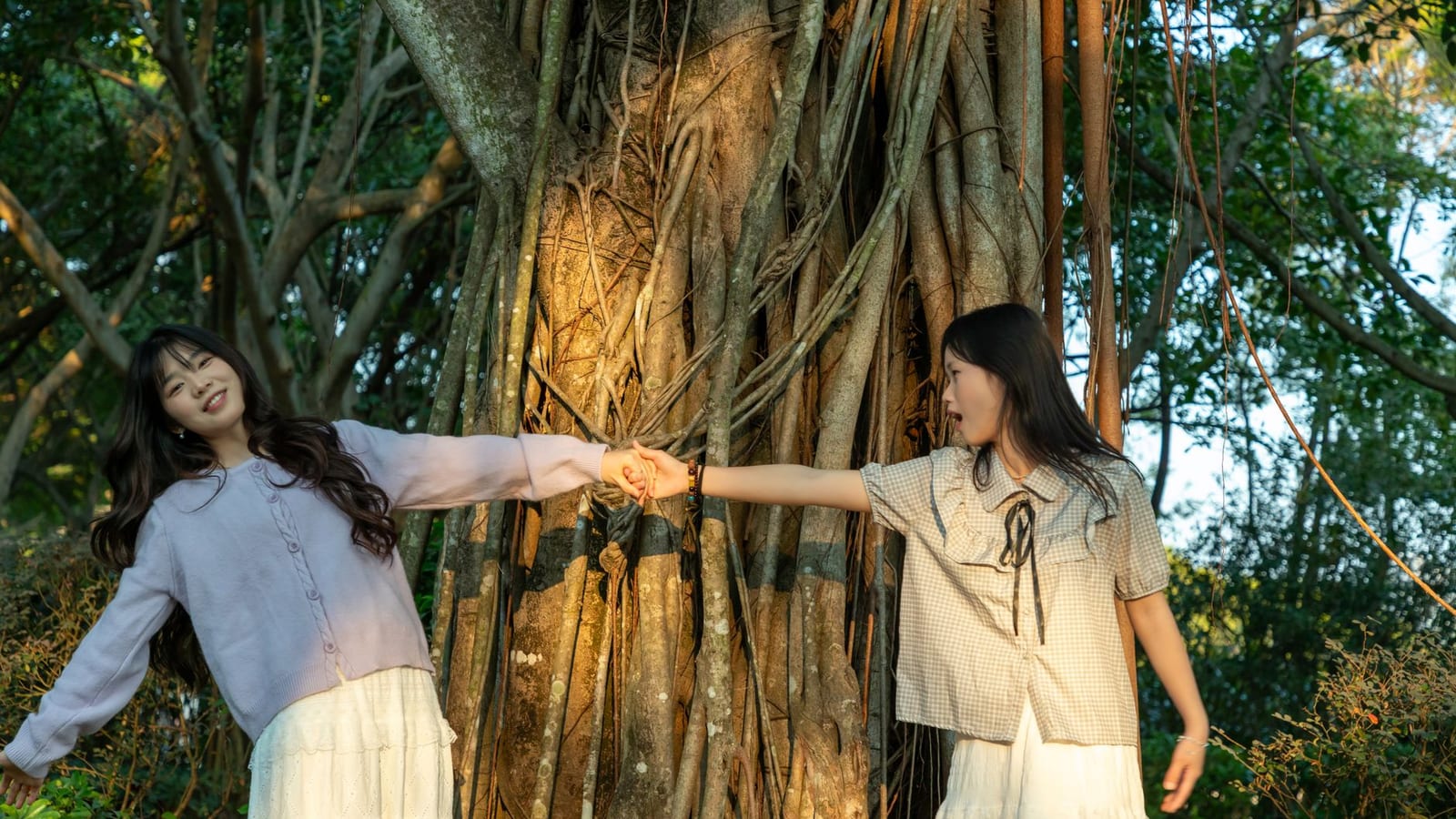
For many Maharashtrian homes, Vat Purnima still begins with a quiet ritual and ends on a phone screen.
A wife ties thread around a banyan tree. A husband receives a message before office. A family group fills with wishes, couplets and old memories. The festival has not changed at its heart. But the way India expresses it has changed completely.
This year’s Vat Purnima greetings show that clearly. The emotion remains old-fashioned, built around marriage, faith and togetherness. The delivery is pure 2026, fast, visual and made for sharing.
Why Vat Purnima still matters
Vat Purnima marks the bond between Savitri and Satyavan, one of India’s most familiar stories of devotion. Married women pray for their husband’s long life and a steady married life.
The banyan tree sits at the centre of the ritual. Its long life and deep roots make it a symbol of strength. Families treat it as a sign of a relationship that should hold through heat, rain and hard seasons.
That idea still travels well in Indian households. Marriage here is rarely just about two people. It includes parents, in-laws, children, money worries, health scares and daily compromise.
So the festival speaks to something larger than ritual. It gives couples a day to say what busy lives often bury. “I am with you.” “May we stay together.” “May this home hold.”
Of course, modern India reads the festival in different ways. Some see it as faith. Some see it as culture. Some see it as a sweet family custom. Many simply treat it as a day to send love.
That mix explains why the festival remains visible, even among younger couples. They may not follow every ritual. But they understand the need to mark relationships.
Greetings move to phone screens
The big change is the phone. WhatsApp has become India’s festival courtyard. The same message can reach a spouse, cousin, aunt and school friend in seconds.
Greeting collections now offer short Marathi wishes, romantic lines and ready-made status updates. They help people who feel the emotion but struggle to frame it.
That may sound small, but it matters. India has always loved festival language. Earlier, it came through cards, handwritten notes or calls. Now it comes through copied text, stickers and story posts.
Facebook still matters for older relatives and community circles. Instagram carries the more polished version, with images, reels and couple photos.
For digital platforms, festivals bring predictable traffic. People search for messages, images and captions. Publishers build greeting pages because millions want quick, shareable words.
There is a business lesson here too. India’s internet economy does not run only on shopping carts and stock prices. It also runs on emotion, habit and family pressure.
A person may ignore a brand campaign. But they will still search for the right line before sending a festival wish.
The marriage message is changing
Many Vat Purnima wishes still use traditional language. They speak of seven births, long life, sacred vows and the wife’s prayer for her husband.
That tone carries comfort for many families. It connects them to mothers and grandmothers who observed the same day. It also keeps regional language alive in a digital space often ruled by English.
But the modern reader also notices what has shifted. Some messages now speak of companionship, mutual care and shared happiness. The husband is no longer only the receiver of prayers. He can also send love back.
That matters in urban and semi-urban India. Young couples are juggling EMIs, jobs, childcare and ageing parents. Their marriages need partnership, not just symbolism.
A simple festival message can reflect that shift. “May we stay together in joy and sorrow” feels more equal than a one-way blessing. It sounds closer to real married life.
The best wishes now blend both worlds. They respect the ritual without freezing it in time. They keep the banyan tree, the thread and Savitri’s story. But they also leave space for affection and choice.
That is how living traditions survive. They bend a little. They keep the emotional core.
Regional language finds new demand
Marathi greetings for Vat Purnima are not just sentimental content. They are part of a bigger regional-language internet story.
For years, English got the premium treatment online. Regional content often looked like an afterthought. That has changed as millions of new users came online from smaller towns.
A Marathi message feels personal in a way English often cannot. It carries home, humour, rhythm and memory. For families in Maharashtra, it also avoids the stiffness of translated greetings.
This demand has created a steady digital market. Websites produce festival wishes, status lines and short poems. Social media pages package them into images. Designers make templates. Creators turn them into reels.
Small businesses also join the chain. Sweet shops, jewellery stores, saree sellers and local boutiques use festival posts to stay visible. A Vat Purnima message becomes a soft reminder to customers.
No one should overstate the scale of one festival. But taken together, India’s festival calendar powers a serious attention economy. Every ritual date becomes a content date.
The pattern repeats across Karwa Chauth, Raksha Bandhan, Diwali and regional harvest festivals. Culture creates traffic. Traffic creates ads, sales and repeat visits.
For ordinary readers, the effect is simple. They get more options in their own language. They also see festivals turn into a crowded digital marketplace.
The business behind sentiment
There is a clear reason publishers and platforms care about greeting content. It brings search traffic at exactly the right moment.
People do not search for Vat Purnima wishes six months early. They search close to the day, often in a hurry. That creates a sharp burst of demand.
For media companies, such pages are low-cost and high-volume. They do not need large reporting teams. They need timing, language and search-friendly packaging.
For platforms, the benefit is engagement. Every forwarded wish, image and status keeps users inside the app. Each share adds another tiny loop of attention.
But there is also a risk. When every festival becomes a template, feeling can become mechanical. The same line moves from phone to phone without much thought.
That is where users still make the difference. A copied message becomes warmer when someone adds one personal sentence. A simple “take care” can do more than a decorative poem.
Vat Purnima in 2026 shows India in a familiar split-screen. On one side, women still gather around the banyan tree. On the other, families send wishes across apps before breakfast.
The thread around the tree may be old. The notification is new. Between them sits modern Indian family life, still searching for ways to say love, duty and hope in words that feel close.