Vat Purnima Lifts Maharashtra Festive Retail Sales
Vat Purnima on June 29 boosted demand for sarees, flowers, sweets and puja items as Maharashtra markets rode the festival's seasonal retail pull.
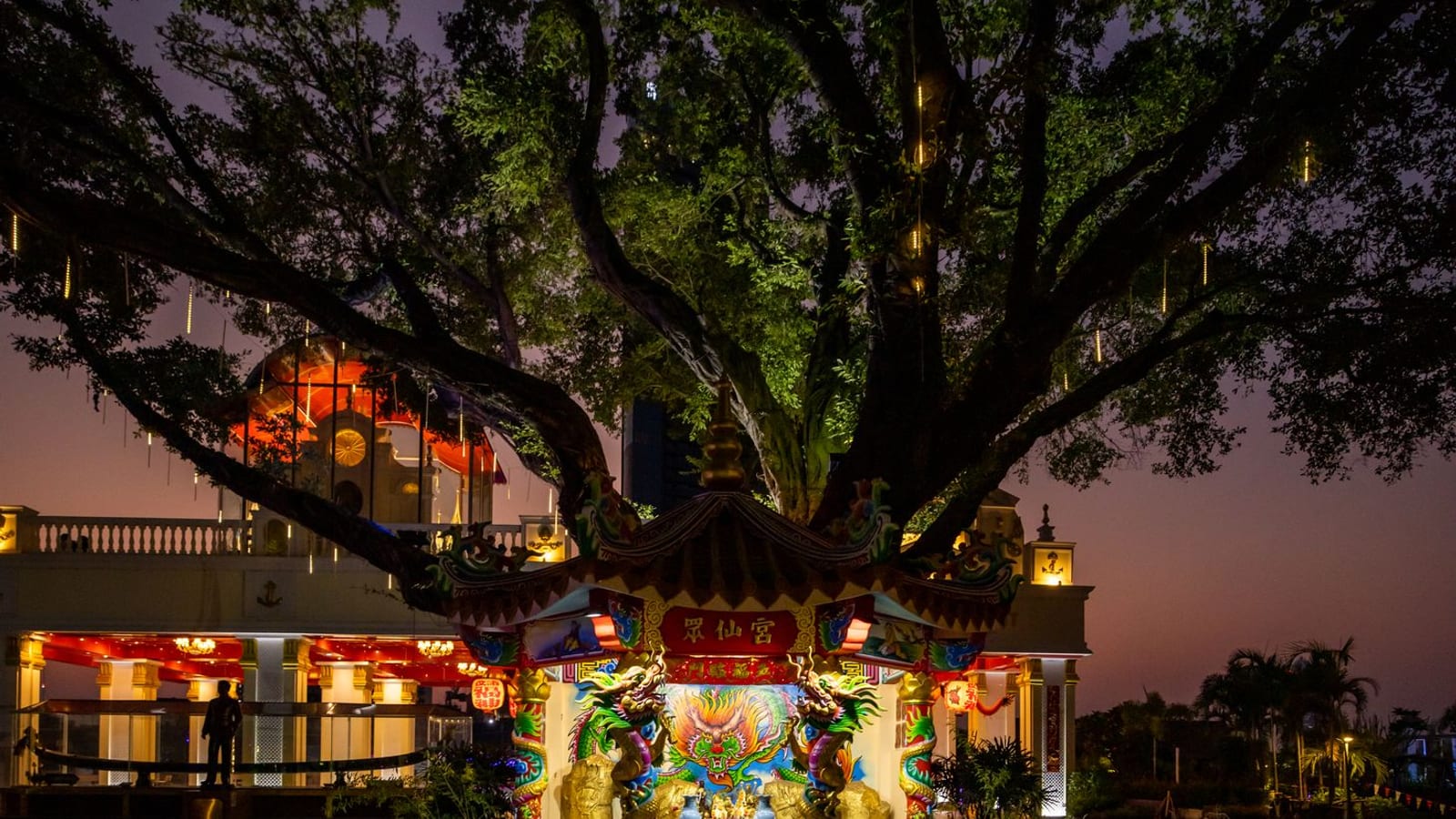
A banyan tree becomes the centre of a small economy every Vat Purnima.
Around it gather women in saris, bangles, kumkum and mangalsutras. Around them gather flower sellers, puja shops, sweet makers, beauty parlours, sari stores and, now, the endless WhatsApp greetings trade.
In 2026, Vat Purnima fell on 29 June. For many married women in Maharashtra, the day carried deep faith. For neighbourhood markets, it also carried a familiar seasonal bump.
Faith meets the festive market
The festival marks a prayer for a husband’s long life and a happy marriage. Married women observe a vrat, perform puja, and walk around the banyan tree seven times.
The number seven matters in the tradition. Many women pray for the same marital bond across seven births. For a new bride, her first Vat Purnima often becomes a family event, not just a personal ritual.
That emotion gives the festival its commercial pull. A saree is not just clothing here. Bangles, kumkum, flowers, thread, fruits and sweets all become part of the day’s preparation.
For a small shopkeeper near a temple or housing colony, these are not luxury sales. They are quick, practical purchases. A few busy festival days can help cover a slow week.
Maharashtra’s women drive demand
Maharashtra remains one of the strongest cultural markets for Vat Purnima. The source material describes women dressing in traditional finery, with mangalsutra, glass bangles and kumkum.
That matters for business because festival demand often starts at home. One family may buy puja items. Another may book mehendi. A third may pick up a saree or blouse alteration at the last minute.
This is how Indian festive spending actually works. It rarely arrives as one giant bill. It comes through dozens of small purchases spread across lanes, shops and service workers.
The same pattern appears during Karva Chauth, Teej, Raksha Bandhan and local harvest festivals. Faith creates the occasion. Family expectations create the checklist. Local markets fill the basket.
WhatsApp wishes become content business
The article also points to another change. Vat Purnima is no longer only a courtyard or temple ritual. It has moved onto phones.
Women and families now share festival wishes, captions, status messages and short greetings on WhatsApp and Facebook. That may look casual, but it feeds a serious content economy.
Media sites publish ready-made messages because readers search for them. Families forward them because they want the right words quickly. Platforms benefit because festivals keep people active and emotionally engaged.
This is the quiet business of digital culture. A religious greeting becomes search traffic. Search traffic becomes advertising inventory. A festival line meant for a husband or wife becomes part of the internet’s daily trade.
The important bit is not the wording of the wishes. It is the behaviour. Indians now celebrate with both rituals and status updates. The puja thali and the phone screen sit side by side.
The small shops behind devotion
For big brands, festivals are marketing slots. For small sellers, they are working days.
A flower vendor near a banyan tree knows demand will rise before the puja hour. A bangle shop may keep red and green sets ready. A neighbourhood beauty parlour may see more bookings from women preparing for the occasion.
None of this needs a corporate campaign. It runs on memory, habit and family pressure. People know what to buy because they have watched mothers, aunts and neighbours do it for years.
That is why these festivals matter to the Indian economy. They keep money moving through informal and local networks. The sale may be small, but the chain is long.
A single ritual can touch farmers growing flowers, traders moving fruit, tailors fixing blouses, transport workers, shop assistants and digital publishers. India’s festive economy often hides in plain sight.
Tradition now has two counters
Vat Purnima also shows how tradition adapts without losing its core. The ritual still centres on the banyan tree and the prayer for marital well-being.
But the expression has widened. A woman may perform the puja in the morning and send a message to her husband later. Families may exchange greetings even when they live in different cities.
This matters in urban India, where couples often manage jobs, commutes and nuclear households. Festivals help families keep a link with older practices, even when time is short.
There is also a consumer angle worth watching. As more festivals move online, companies will try harder to sell themed products, beauty packages, gift hampers and greeting templates.
Some of that will help businesses. Some of it may also turn faith into pressure. Not every family can spend heavily. Not every woman will want the festival framed through shopping.
The healthier version is simpler. Let the market serve the ritual, not swallow it.
Vat Purnima’s real strength lies in that mix of devotion, family and local exchange. For ordinary readers, it is a reminder that India’s economy does not move only in boardrooms and stock markets. Sometimes, it moves around a banyan tree, one puja plate and one small purchase at a time.