Vat Purnima Wishes Move From Banyan Trees To WhatsApp
Vat Purnima greetings are shifting from banyan tree rituals to WhatsApp, Instagram and family chats as festive wishes turn digital in 2026.
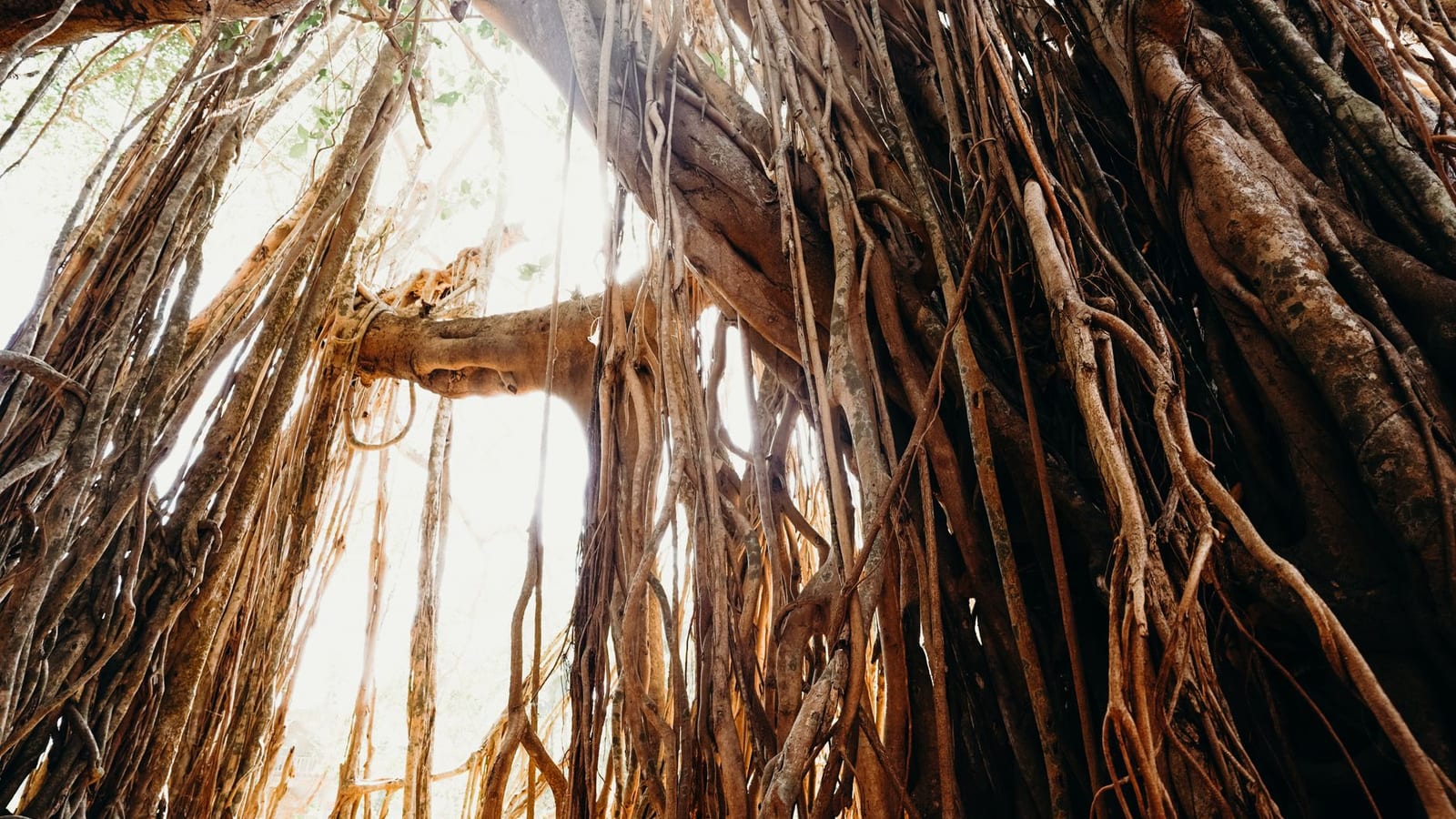
For many Marathi homes, Vat Purnima now begins twice. Once near the banyan tree, and once on the phone screen.
The festival still carries the old emotional weight. Married women pray for their husbands’ long life, remember the Savitri-Satyavan story, and mark the day with faith, vows, and family rituals. But in 2026, the greeting has also moved to WhatsApp, Instagram, and Facebook.
That small shift says a lot about India’s digital habit. Festivals are no longer only celebrated at home, in temples, or around neighbourhood trees. They also travel through forwarded messages, status updates, reels, and family groups.
Vat Purnima meets the phone screen
The source article frames Vat Purnima as a festival of love, trust, devotion, and long companionship. It says women worship the banyan tree and pray for marital well-being, while remembering Savitri’s devotion to Satyavan.
That part is old. What is newer is the public performance of feeling.
Today, a husband may receive a romantic Marathi message before breakfast. A wife may post a status before leaving for puja. A family group may wake up to the same festive wish from five different relatives.
This is not just sentiment. It is behaviour that publishers, platforms, and advertisers now understand well.
Every major Indian festival creates a search wave. People look for wishes, quotes, captions, images, and status lines. They want language that sounds warm, local, and ready to share.
For Marathi readers, that means simple lines about the banyan tree, seven births, marital vows, and shared happiness. The article offers exactly that kind of ready-to-copy material for Vat Purnima 2026.
Why festival wishes became content
The business of festive greetings looks small from the outside. It is not.
A list of Marathi wishes may seem like harmless lifestyle content. But for digital publishers, these articles serve a clear purpose. They catch readers at the exact moment when search demand rises.
Before festivals, people do not search only for rituals. They search for words.
They want a message that sounds affectionate, but not awkward. They want a caption that feels traditional, but not too old-fashioned. They want something short enough for a status update.
That is why articles around Vat Purnima wishes, quotes, shayari, poems, and greetings appear before the festival season. They are built for quick use, fast sharing, and high intent.
This also explains why Instagram and Facebook matter in the story. A festival message is no longer private by default. It often becomes a visible social signal.
One line on a story can show devotion. One post can show family bonding. One forwarded message can keep a relationship thread alive across cities.
For platforms, this activity means more engagement. For publishers, it means search traffic. For readers, it means less effort at an emotional moment.
Tradition is changing its format
The heart of Vat Purnima remains deeply traditional. The article repeatedly connects the day with the banyan tree, marital commitment, and the story of Savitri and Satyavan.
But the format has changed.
Earlier, the ritual carried the message. The act of tying thread around the tree, offering prayers, and observing the custom said enough. Now, many people also want words that can be seen, saved, and shared.
This is where language matters.
A generic English greeting does not carry the same warmth for many Marathi families. A Marathi wish can feel closer to home. It carries rhythm, memory, and cultural comfort.
That is why regional festive content has become so important online. India’s internet is no longer only an English-speaking market. The next wave of readers wants content in Marathi, Hindi, Tamil, Bengali, Telugu, Kannada, Malayalam, and other Indian languages.
For a publisher, this is a business opportunity. For a reader, it is validation. The festival speaks in their own language.
A young couple in Mumbai, Pune, Nashik, or Nagpur may live very differently from their parents. But a Marathi Vat Purnima message can still bridge that gap.
The quiet economy of emotion
There is another layer here, and it is easy to miss.
Festival content supports a wider economy around attention. Greetings bring readers in. Once they arrive, platforms can show related stories, lifestyle features, shopping links, videos, or ads.
No single Vat Purnima message changes a company’s balance sheet. But millions of such searches across festivals create a dependable traffic pattern.
Think of it like a seasonal bazaar, only digital. Before Diwali, people search for rangoli ideas. Before Raksha Bandhan, they search for messages and gift ideas. Before Vat Purnima, Marathi readers search for wishes for husbands, wives, relatives, and friends.
The product is emotion, packaged neatly.
This does not make it fake. People genuinely need words. Many Indians find it easier to borrow a well-written line than write one themselves, especially for intimate occasions.
The risk is sameness. When everyone forwards the same few messages, personal feeling can start looking mass-produced.
Still, the need remains real. A short message can soften a long day. A status can reassure a partner. A family greeting can keep ties warm across distance.
What ordinary readers should notice
Vat Purnima 2026 tells us something simple about modern Indian life. We are not abandoning tradition as much as changing its delivery system.
The banyan tree is still there. The prayer is still there. The story of Savitri and Satyavan still holds meaning for many families. But the phone now sits beside the ritual.
For ordinary readers, the useful question is not whether digital wishes are good or bad. The better question is whether they carry real feeling.
A copied message can still be kind. A shared status can still be sincere. But the best greeting may be the one that adds one personal line after the ready-made words.
That is where the old and new meet properly. The festival gives the occasion. The internet gives the format. The human touch still has to come from us.