AI chip shares slide 8% after blockbuster quarter
AI-linked semiconductor stocks fell sharply after huge quarterly gains, reminding Indian investors that global tech funds can swing fast.
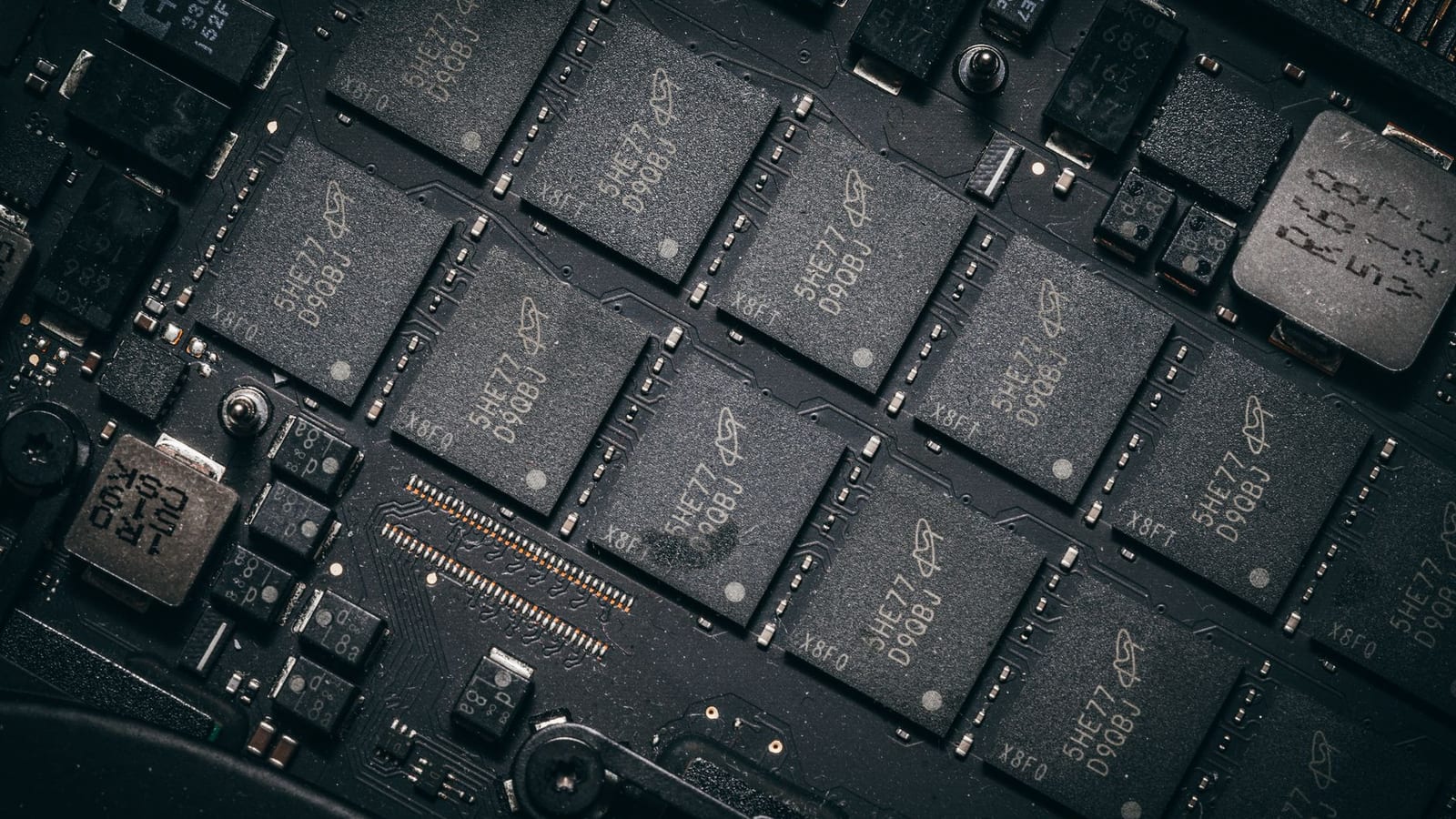
A ₹5 lakh overseas portfolio can feel rich one week and shaky the next. That is exactly what the AI chip trade is teaching investors now.
The same stocks that made Wall Street look unstoppable in 2026 have suddenly hit rough weather. Micron Technology, Intel, AMD and Sandisk still sit on huge gains. Yet late June brought a sharp reminder: even a hot story can cool fast.
For Indian investors watching US tech funds, Nasdaq-linked ETFs, or global mutual funds, this matters. AI is no longer only a Silicon Valley story. It now sits inside retirement portfolios, SIPs, and family wealth plans.
AI chip stocks face reality check
The Philadelphia Stock Exchange Semiconductor Index fell 7.9 percent last week. That was its worst weekly drop since April 2025.
Put simply, if an investor had ₹5 lakh tracking that basket, the weekly paper loss was about ₹39,500. That is not a small wobble for retail money.
The strange part is this. The same index still gained about 81 percent in the second quarter. For someone invested before the rally, ₹5 lakh could have grown to around ₹9 lakh.
That is why this market feels confusing. The fall hurts, but the larger move remains extraordinary.
The index also jumped 94 percent in 2026 so far. If those gains stay, chip stocks could deliver their best year since the dot-com boom in 1999.
Big AI spending drives boom
The rally rests on one simple belief. Big technology companies will keep spending heavily on AI data centres.
Microsoft, Amazon, Alphabet and Meta Platforms have all pushed large capital spending plans. Capital spending means money used to build long-term assets, like servers, chips and data centres.
These plans have created huge demand for advanced chips and memory. AI systems need fast processors and high-bandwidth memory to train and run models.
That demand has lifted memory companies sharply. Sandisk surged 764 percent over six months. Micron rose 301 percent in the same period.
Intel also rallied 257 percent as investors warmed to its turnaround efforts. For years, Intel looked slow against rivals. In 2026, markets began pricing in a possible comeback.
But this is where investors must slow down. A business can improve, and its stock can still rise too far.
Valuations test investor patience
The worry now centres on price. Investors are asking whether AI spending will produce enough future profit.
That question matters because these stocks no longer trade like sleepy hardware companies. Markets now value many chip firms like core AI infrastructure players.
When valuations run high, even small doubts can hurt. A delayed product, weaker order book, or change in interest-rate expectations can trigger selling.
The US Federal Reserve adds another layer of pressure. Markets now expect a possible interest-rate hike later this year.
Higher rates usually make high-growth stocks less attractive. Investors demand better proof of future earnings when safer returns improve elsewhere.
For an Indian household, the link may seem distant. But it is not. Global risk appetite affects foreign funds, technology funds, and even the mood in Indian equities.
Reports that OpenAI may delay its expected initial public offering also hit sentiment. An IPO is when a private company sells shares to the public for the first time.
Investors were watching OpenAI as a signal for AI demand. Any delay raises questions about timing, valuation and market appetite.
Winners are changing places
One interesting feature of this rally is rotation. The famous winners are no longer the fastest movers.
NVIDIA remains the face of the AI boom. Its market value stands near $4.5 trillion, making it the world’s most valuable listed company.
Yet its stock gained only 4.5 percent in 2026 so far. That makes it one of the weakest performers inside the chip index this year.
Broadcom also lagged with a 7.6 percent gain. These are still large, powerful companies. But markets may have priced in much of their good news earlier.
The newer excitement has shifted towards memory and storage names. Investors now believe AI servers will need vast amounts of memory, not just processors.
Samsung Electronics and SK Hynix also gained from this trend. SK Hynix is reportedly exploring a US listing to raise nearly $29.4 billion.
That tells us something important. The AI trade has moved from one star stock to an entire supply chain.
For retail investors, this makes stock picking harder. Buying “AI” is no longer simple. One must ask which company actually benefits, and at what price.
What Indian investors should watch
Indian investors should first watch the Bombay Stock Exchange’s Sensex and National Stock Exchange’s Nifty 50 reaction. US tech selling often spills into Indian IT and high-valuation growth stocks.
The Nasdaq 100 gained 25 percent this quarter. The broader S&P 500 rose 14 percent. Chip stocks ran far ahead of both.
That gap is the key risk. When one pocket of the market rises much faster, traders book profit first there.
A sharp fall in US chip stocks can also affect Indian mutual funds with global exposure. Many investors entered international funds after seeing strong past returns.
That timing can hurt. A ₹2 lakh investment made after a big rally can fall fast during profit-taking.
This does not mean AI is a bubble by default. The demand for computing power looks real. Data centres, cloud firms and AI start-ups still need chips.
The real question is more basic. How much future success has the market already priced in?
That is the question every investor must ask before chasing a 300 percent or 700 percent stock rally. Big gains create confidence, but they also reduce the margin for error.
For ordinary Indian savers, the lesson is clear. AI may shape the next decade of markets, but it will not move in a straight line. The smart money will watch earnings, spending plans, interest rates and valuations, not just the excitement around the technology.