Carlsberg India takes confidential Sebi route for IPO
Carlsberg has started a confidential Sebi review for a possible India IPO, with issue size, valuation and timing still to be decided.
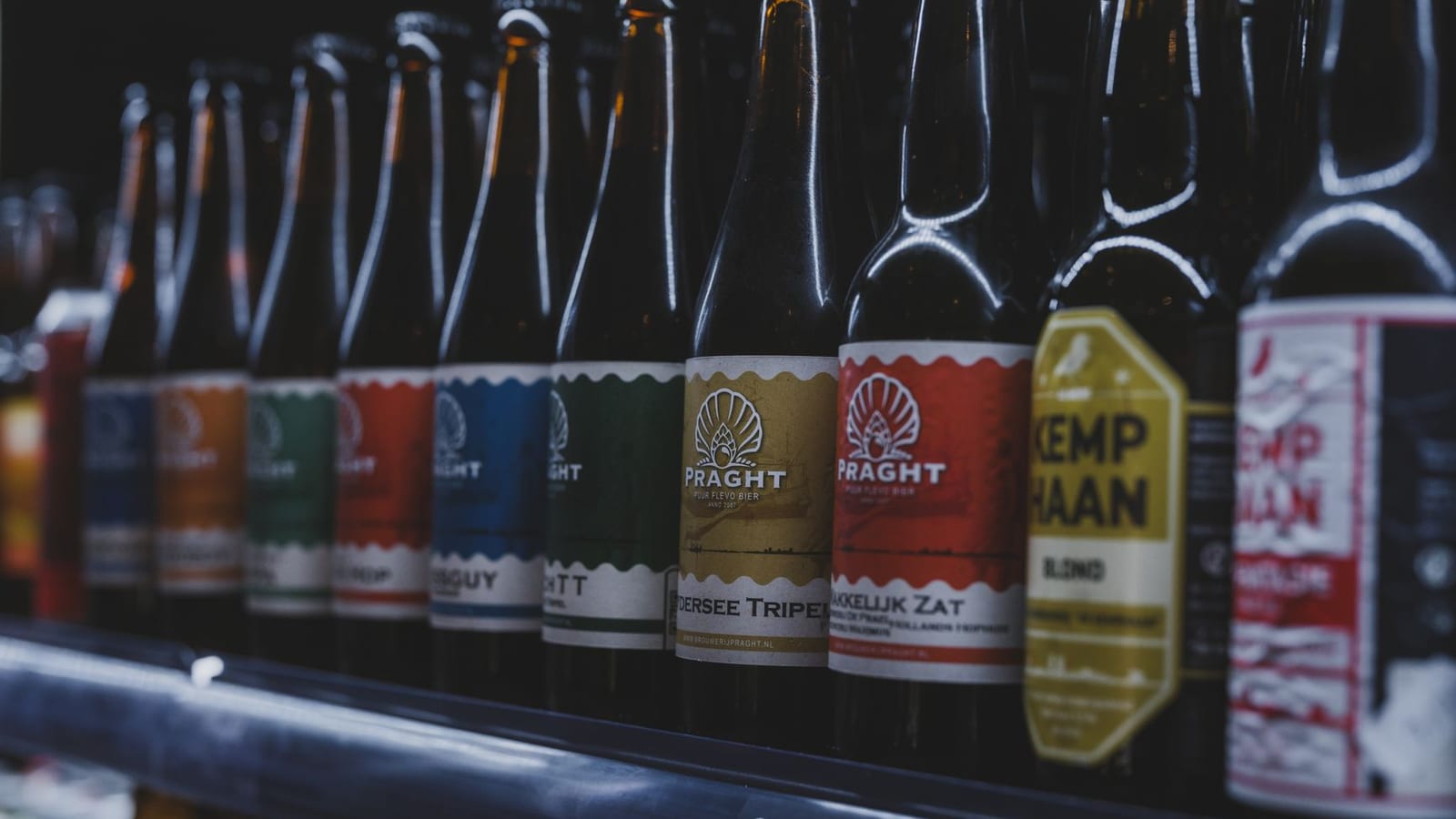
Beer shelves may look routine, but the money behind them is getting restless.
Carlsberg has quietly filed draft papers with Sebi for a possible India IPO. That means the Danish brewer wants to list its Indian business on the stock market, if regulators and market conditions allow it.
For investors, this is not just another beer company testing the market. It is another sign that global companies now see India as a place to unlock serious value.
Carlsberg tests India’s IPO mood
Carlsberg has used Sebi’s confidential filing route for the proposed IPO of its India unit. This route lets a company submit papers for regulatory review without putting every detail out immediately.
That matters because IPO filings can reveal sensitive numbers. Revenue, margins, risks, market share, debt, and business plans often become visible once papers go public.
The company has not disclosed the issue size, valuation, or timing yet. People familiar with the matter said these will depend on approvals and market conditions.
For a retail investor, that means one simple thing. There is no investable offer on the table yet. The process has started, but the public details will come later.
Carlsberg Group CEO Jacob Aarup-Andersen had said in February that the company was considering an India listing. The aim was to unlock value for shareholders.
That phrase sounds corporate, but the idea is simple. A strong local business can get a separate market value in India. That may help the parent company show investors what the Indian unit is really worth.
Why global brands want Indian listings
Carlsberg is not walking alone into this lane. Hyundai Motor and LG Electronics have already listed their Indian businesses.
This pattern tells us something important. Multinational companies no longer see India only as a sales market. They now see it as a capital market too.
For years, Indian consumers gave global brands growth. Now Indian investors may give those businesses premium valuations.
That shift has been building slowly. India has a large consumer base, active retail investors, and a deepening stock market. A successful listing can create a local benchmark for a global brand.
In plain language, an IPO lets ordinary investors buy a slice of a company. But it also lets the company, or its existing owners, convert part of the business into cash or market value.
The catch is valuation. A good brand does not automatically make a good stock. Investors will ask whether beer sales can grow fast enough to justify the asking price.
They will also ask how much profit the India unit really makes. Beer is a popular product, but it is not an easy business in India.
Alcohol rules differ by state. Taxes are heavy. Distribution depends on local systems. Advertising comes with tight limits. These are not small footnotes.
A foreign brewer must fight state by state, not just brand by brand. That makes India attractive, but also complicated.
Premium beer is the bigger bet
Carlsberg sells brands such as Tuborg, Carlsberg Elephant, and Kronenbourg 1664 Blanc in India. The company brought Kronenbourg 1664 Blanc to India last year.
That move shows where the company sees the money. Premium beer has been growing as younger urban consumers spend more on branded alcohol.
This is not only a Delhi, Mumbai, and Bengaluru story. Aspirational consumption has spread across many smaller cities too. People are paying more for products that feel global, polished, and social.
For a beer company, premiumisation can improve margins. That means the company may earn more per bottle, even if volumes grow steadily.
But premium beer also depends on mood. When urban consumers feel secure about jobs and income, they spend more freely. When costs rise, discretionary spending feels the pinch first.
That is why the IPO story sits between consumption and finance. It is about how Indians drink, but also how Indians invest.
Investors will want clarity on state exposure. They will also watch raw material costs, excise duties, and competition.
Barley, packaging, freight, and state levies can change the profit picture quickly. A company may sell more, yet earn less if costs rise faster.
This is where retail investors need caution. A famous label can create comfort. But IPO investing still demands numbers, not nostalgia.
IPO pipeline gathers speed
Carlsberg’s filing comes when India’s primary market has started looking busy again. The primary market is where companies sell shares to investors for the first time.
In June, six companies launched their first public offers. That tells us investor demand has improved after a more cautious spell.
Market mood has also benefited from easing geopolitical worries and better risk appetite. When investors feel less nervous, IPO bankers become more active.
Two bigger names have also entered the queue. Jio Platforms and the National Stock Exchange filed draft papers with Sebi in June.
Those offers could become among the largest in India’s market history. Their presence changes the tone of the entire IPO calendar.
For smaller investors, a crowded IPO market brings opportunity and risk together. More choices sound good, but attention gets scattered fast.
When many public offers arrive close together, investors often chase brand names. That can push valuations beyond comfort.
The smarter question is not, “Do I know this company?” It is, “What am I paying for its future profits?”
A ₹1 lakh IPO application can feel harmless during a bull market. But weak listing gains or overpricing can hurt quickly.
The real test will come when Carlsberg shares its financials. Investors will look at sales growth, profit margins, debt, and cash generation.
They will also compare it with listed Indian consumer and alcohol-linked companies. That comparison will decide whether the asking price looks fair.
What investors should watch now
The confidential filing means the story has begun, not ended. Sebi will review the papers, ask questions, and seek changes where needed.
After that, Carlsberg may decide when to go public with the offer document. The company can still adjust its timing if markets turn weak.
That flexibility helps issuers. But it also means investors must wait before judging the offer properly.
The key details will be simple. How much stake will be sold? Will the company raise fresh money, or will existing shareholders sell shares?
Fresh money can fund expansion. An offer for sale mainly gives current owners a partial exit. Both are legal, but they mean different things.
Investors should also watch how Carlsberg explains regulation risks. Alcohol is one of India’s most state-controlled businesses.
A policy change in one large market can affect growth. A tax increase can change pricing. Distribution delays can hit supply.
Still, the larger signal is hard to miss. Global companies are coming to Indian exchanges because Indian capital has become too large to ignore.
For ordinary readers, the lesson is simple. The brands in your fridge, phone, car, and living room may increasingly seek your investment money too. The next few months will show whether Carlsberg can turn India’s beer thirst into a stock market story worth buying.