Illegal Loan Apps Funnel Rs 100 Crore Across Kerala
Kannur police say illegal lending apps have pushed over Rs 100 crore into Kerala in 18 months, with young borrowers facing harassment and threats.
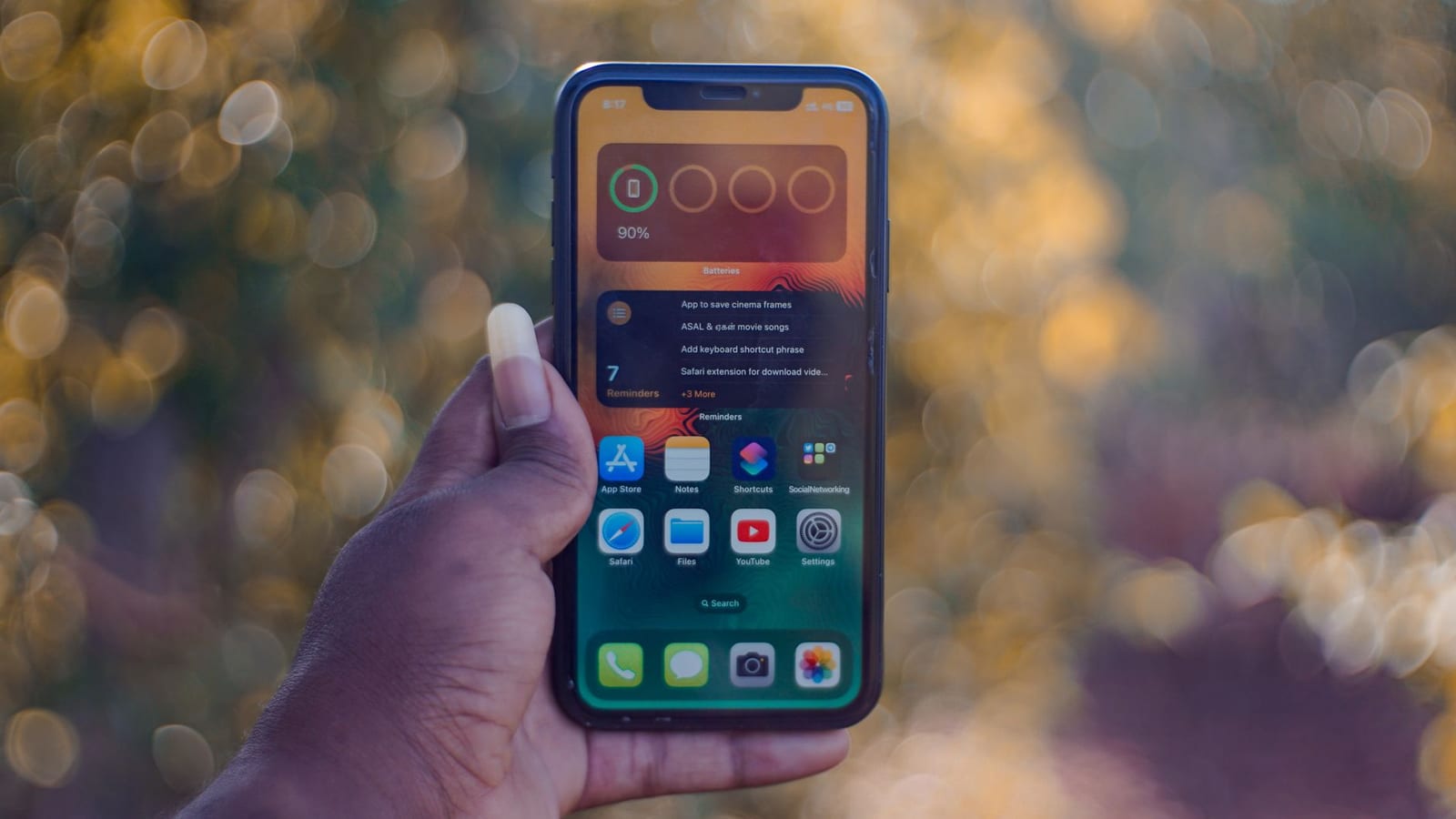
A ₹10,000 loan can now arrive before a cup of tea cools. The real bill may come later, through fear, shame, and a phone full of stolen contacts.
Police in Kannur say illegal loan app networks have pushed more than ₹100 crore into Kerala in just 18 months. That is not banking. That is a parallel credit market, built for people who need money quickly and have nowhere easy to go.
The most worrying number is younger than the money itself. Police say nearly 80 percent of borrowers are teenagers or under 25.
Small loans, brutal recovery
These apps usually offer ₹10,000 to ₹50,000. On paper, that looks like emergency money. For a student, it can cover fees, rent, travel, or a family crisis.
But police say the interest can go up to 36 percent. In simple terms, someone who borrows ₹20,000 may find the cost rising fast, even before penalties and extra demands begin.
The sales pitch is always the same. No paperwork. No waiting. Money in five minutes. For a young person used to UPI and instant delivery, that sounds normal.
The trap sits inside the permissions screen. Before sending money, these apps ask for Aadhaar, PAN, bank details, contacts, messages, and gallery access. That is not collateral in the old sense. It is personal control.
Your phone becomes the collateral
A bank asks for income proof because it wants repayment capacity. These apps ask for phone access because they want pressure points.
Once a borrower accepts, the app can see who they call, who they message, and whose photos sit in the gallery. Police say this gives recovery agents a ready-made map of fear.
The loan amount also does not always arrive cleanly. Police say some operators first deduct an installment, then send the balance. So the borrower starts behind on day one.
This is why the usual advice, “read the fine print”, feels incomplete here. Many borrowers are not entering a normal loan contract. They are handing over private data to unknown operators.
Complaints show the pressure pattern
The cyber police have received around 55,000 complaints in one year over threats and demands after repayment. Most complaints relate to intimidation.
Police describe a familiar sequence. First come repeated calls, sometimes every hour. Then come threats. If payment still does not arrive, the pressure spreads to friends and relatives.
In the worst cases, police say fraudsters morph photos and send them to close contacts. Women’s images are often used to increase shame and panic.
That is why these scams hurt beyond the money. A missed payment can turn into a public humiliation campaign. For young borrowers, that can feel impossible to face.
Nithin Raj case widened the probe
The death of Nithin Raj, a student at Ancharakandy Dental College in Kannur, has brought sharper attention to this market.
The Crime Branch team probing the case found that the “Intent Friends” loan app group had issued around ₹300 crore in loans across India between 2025 and May 2026.
Crime Branch SP P Balakrishnan Nair said more people have fallen into such loan app traps over the past two years. He said students and women form a large share of borrowers.
He also urged people not to stay silent when threats begin. That matters because shame is exactly what these gangs count on.
Why young borrowers are exposed
India’s formal finance system has grown fast, but it still leaves many small gaps. A bank may not move quickly for a ₹15,000 emergency. A credit card may be unavailable. A family may already be stretched.
Illegal apps walk into that space with speed. They do not sell credit first. They sell relief.
For young people, the risk feels smaller at the start. The amount is not huge. The approval looks easy. The app feels like any other app.
But a ₹10,000 loan at punishing terms can become a monthly crisis. More importantly, phone access turns a private money problem into a social threat.
This is where regulators and police face a hard task. Shutting one app may not kill the network. Operators can return under another name, with new links and fresh ads.
For ordinary users, the first rule is simple. Do not give a lending app access to contacts, photos, or messages. No genuine lender needs your family’s phone numbers to decide a loan.
The second rule is harder, but more important. If threats begin, report them early. Paying once under fear rarely ends the matter. It often tells the gang that pressure works.
The bigger lesson is for India’s financial system. People do not go to shady lenders because they love risk. They go because speed, dignity, and access still do not meet in one place. Until legal credit fills that gap better, these five-minute loans will keep finding frightened borrowers.