Nifty IT selloff takes index to lowest since April 2023
Nifty IT ended 2.73% lower after touching its weakest level since April 2023, extending a 30% fall in 2026 as TCS and Infosys slid.
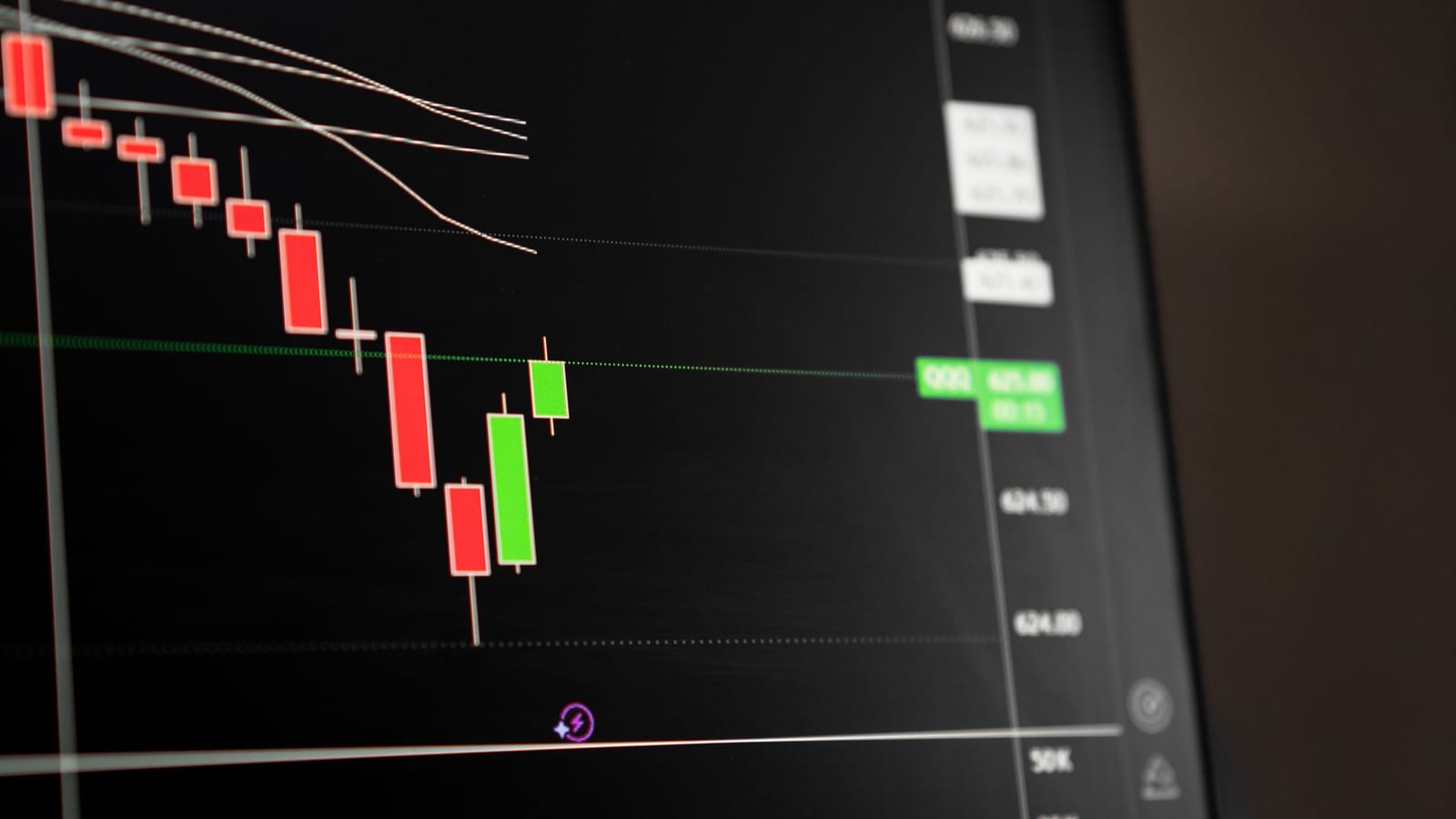
For many salaried investors, IT stocks once felt like the fixed deposit of equities. Safe names, steady exports, dollar earnings, and clean balance sheets.
That comfort cracked on Tuesday, 30 June, when Nifty IT slipped to 26,208.50 in intraday trade. That was its lowest level since April 2023.
By close, the index ended 2.73 percent lower at 26,299. Only Persistent Systems finished in the green. For anyone holding ₹5 lakh in a broad IT basket this year, the paper loss is roughly ₹1.5 lakh.
IT stocks lose their safe tag
The fall has not come in one bad week. The IT index has dropped about 30 percent in 2026 so far.
That makes it the worst sectoral performer in the first half of this calendar year. By comparison, the National Stock Exchange’s Nifty 50 has fallen around 9 percent.
The pain looks sharper from the top. Nifty IT had touched 46,089 on 13 December 2024. From there, it is now down about 43 percent.
Tuesday’s damage also hit the old market favourites. LTI Mindtree fell 4 percent, TCS slipped 3.17 percent, and Infosys lost 3.50 percent.
For retail investors, this matters because IT stocks sit in many mutual funds. Even people who never bought a tech stock directly may own them through SIPs.
Why clients are spending slowly
Indian IT companies earn much of their money from global banks, retailers, insurers, and manufacturers. When those clients become cautious, Indian IT feels it quickly.
Right now, clients are taking longer to approve new projects. Many are cutting optional technology work and focusing only on urgent spending.
That is why the March quarter showed a mixed picture. Some companies won decent deals in cloud, cybersecurity, and AI-related work. But demand across old-style services stayed weak.
AI, or artificial intelligence, adds a new pressure point. It helps companies automate coding, testing, customer support, and back-office work.
That sounds exciting for technology vendors. But it also means clients ask for the same work at lower cost.
Several analysts now see traditional IT services revenue shrinking by 2 to 3 percent each year. That is not a small cyclical slowdown. It points to a deeper change in the business model.
The old playbook was simple. Hire more engineers, bill more hours, and grow revenue. AI attacks that model directly.
AI promise meets valuation reality
The strange part is this: AI may hurt old revenue, but it can also create new business.
Industry estimates suggest AI-led services could become a $300 billion to $400 billion market by 2030. That is a large prize, even by global technology standards.
But investors do not get paid for slogans. They get paid when companies convert buzz into revenue, margins, and cash flow.
Rahul Ghose, founder and CEO of Octanom Tech and Hedged.in, has argued that markets will now watch order books, deal wins, and FY27 guidance more closely than headline profits.
His point is simple. Companies that show real AI money will get better valuations first. Others may need to wait.
Ghose also believes value buyers may return later. But for many IT names, he sees better entry points possibly 15 to 20 percent below current levels.
That is the hard part for investors. A stock can become cheaper and still not become cheap enough.
Ravi Singh, chief research officer at Master Capital Services, expects the recovery to remain slow over the next few quarters. He says clients still need more time before signing technology spending decisions.
Still, Singh sees support from improving global conditions and wider AI use over the medium term. He prefers quality large-cap names such as TCS and Infosys.
Kunal Bajaj of Choice Institutional Equities also sees valuations turning more reasonable. But he favours companies with strong deal momentum, clear AI execution, and sensible prices.
What investors should track now
The first number to watch is not quarterly profit. It is deal flow.
If large clients keep signing fresh contracts, the market will forgive a soft quarter. If deal wins weaken, even a cheap-looking stock can fall further.
The second signal is management commentary. Investors should listen for how much revenue actually comes from AI work.
There is a difference between using AI in presentations and earning from AI projects. The market has started noticing that difference.
The third signal comes from global peers such as Accenture. Its quarterly numbers often give an early clue about technology spending by large global clients.
For Indian investors, currency also matters. A weaker rupee usually helps exporters, because dollar earnings convert into more rupees.
But currency cannot fix weak demand. If clients delay projects, a favourable exchange rate only softens the blow.
This is why the current fall is not just a buying checklist moment. It needs patience and selectivity.
Large IT companies still have strong client relationships, cash-rich balance sheets, and decades of delivery history. But the market now wants proof that they can grow in the AI age.
The smarter question is not whether IT stocks are finished. They are not. The question is which companies can protect margins while clients demand more automation.
For ordinary investors, the lesson is familiar. Do not buy only because a stock is down 30 percent. Buy when the business case also looks stronger.
The next few quarters will test India’s IT giants in a way they have not faced before. If they turn AI into billable work, this correction may look useful in hindsight. If they only defend the old model, the fall may still have more distance to travel.