Tesla shares slide as investors question demand rebound
Tesla shares fell 8.3% even after record second-quarter deliveries, as investors looked for clearer proof of demand strength without heavy discounts.
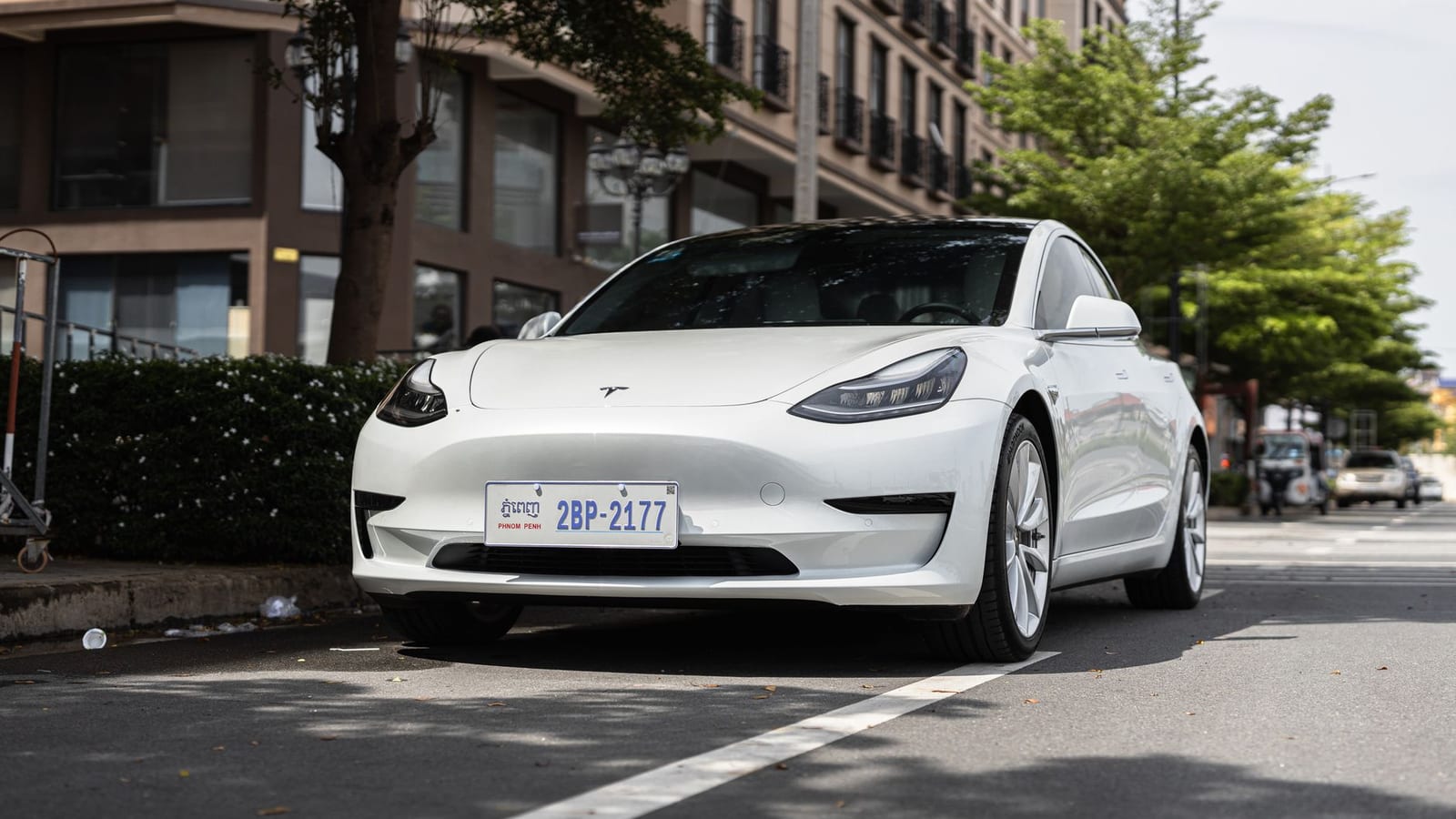
A great sales report should usually lift a stock. Tesla got the opposite treatment.
Its shares fell 8.3 percent on Thursday, July 2, touching $390 during the day. For an Indian investor holding ₹5 lakh worth of Tesla stock, that kind of fall means roughly ₹41,500 wiped out in one session, before currency moves and charges.
That is the strange part. The company delivered 480,126 vehicles in the April to June quarter, its best ever second quarter. Yet Wall Street looked at the number, shrugged, and sold.
Strong deliveries did not calm investors
Tesla’s latest delivery figure was about 25 percent higher than the same quarter last year. It was also a sharp jump from 358,023 deliveries in the first quarter of 2026.
On paper, this looks like a clean rebound. The company had spent months dealing with slower car sales, rising competition, and pressure on its brand. A strong delivery quarter should have helped reset the mood.
But markets rarely reward one good number in isolation. Investors wanted proof that demand was improving without heavy discounts, cheaper leases, or policy support. That part still looks unclear.
Tesla said the Model 3 sedan and Model Y SUV made up 467,762 vehicles. That is around 97 percent of total deliveries. In simple terms, almost the entire car business now depends on two models.
That concentration matters. If one model loses appeal, the whole delivery engine feels it quickly. Indian investors have seen this pattern in auto stocks too. A company can look strong, but one weak product cycle can change the story.
Why the stock still fell
The market punished Tesla because the delivery beat came with uncomfortable questions. Did customers return because they genuinely wanted Tesla cars, or because prices and financing became easier?
The company introduced cheaper versions of the Model 3 and Model Y last year. In Europe, it also reduced leasing and financing costs. These moves can lift sales, but they can also squeeze profit margins.
That is the number investors will watch closely on July 22, when Tesla reports full second-quarter earnings. Deliveries tell us how many cars left the factory. Earnings show how much money Tesla kept after selling them.
There is another piece to this. Elon Musk remains central to Tesla’s brand. That has helped the company for years, but it has also become a risk.
Consumer backlash against Musk had already weighed on sales earlier. At the same time, the end of a US federal tax credit for electric vehicles made Tesla cars less attractive for some buyers.
So the market is asking a blunt question. Has Tesla fixed demand, or has it merely bought time?
Europe helped, but with strings
Europe played an important role in the better quarter. Government incentives helped electric vehicle adoption. Companies also continued shifting fleet purchases towards cleaner vehicles.
Energy prices added another push. As gasoline and diesel became more expensive after the Iran conflict, electric vehicles looked more practical to many buyers.
This is where the story becomes useful for Indian readers too. When fuel prices rise, people start doing monthly math. They compare upfront cost with running cost.
For a city commuter, that calculation can change quickly. A petrol car may feel cheaper on day one. But higher fuel bills can make an electric vehicle attractive over time.
Tesla benefited from that shift in Europe. But policy-led demand can be fragile. Subsidies change. Energy prices cool. Corporate buying cycles slow down.
That is why investors want to know whether Tesla can sell cars at healthy prices without depending too much on temporary support.
Inventory reduction offers one comfort
Tesla produced 451,758 vehicles during the quarter. Deliveries were more than 28,000 units higher than production.
That is a useful sign. It means Tesla cleared some inventory that had built up earlier. In plain English, the company sold more cars than it made during the quarter.
For any automaker, swollen inventory is a warning light. Cars sitting around mean locked cash, discount pressure, and weaker dealer confidence.
Tesla has no traditional dealer network like older car companies. Still, unsold stock creates the same problem. It tells investors that factories are moving faster than customers.
This quarter helped reduce that pressure. But one quarter cannot settle the debate.
The company also stopped production of the Model S and Model X in May. It continued selling leftover stock during the second quarter.
That leaves Tesla’s newly produced passenger lineup with the Model 3, Model Y, and low-volume Cybertruck. The older luxury halo cars no longer carry the same role.
BYD shadow remains large
Tesla’s recovery also sits against a bigger global shift. BYD overtook Tesla as the world’s largest electric vehicle maker after Tesla’s sales declined in 2025 for the second straight year.
That matters because China has changed the economics of electric vehicles. Chinese carmakers are moving fast, pricing sharply, and updating models quickly.
Tesla once looked like the company forcing everyone else to catch up. Now it must defend share in a market where rivals are cheaper, faster, and often locally stronger.
This is not just about cars. Tesla also reported 13.5 GWh of energy storage deployments in the quarter. That was up 40.6 percent from a year earlier and slightly ahead of analyst expectations.
Energy storage could become a bigger part of the Tesla story. Batteries for homes, grids, and businesses may offer growth beyond cars. But for now, the stock still trades mainly on confidence in the EV business.
And that confidence has taken a hit. Tesla shares are down 13 percent so far in 2026. They are also about 27 percent below the record high of $498.83.
For anyone who bought near the top, that gap hurts. A ₹5 lakh holding at the peak would now be worth roughly ₹3.65 lakh, excluding currency changes.
The lesson is not that Tesla is finished. It clearly still has demand, brand recall, and scale. The lesson is sharper than that. A famous stock needs more than famous numbers. It needs durable growth, clean margins, and fewer doubts about what comes next.
For Indian investors watching from afar, July 22 now becomes the real test. Deliveries gave Tesla a headline. Earnings will show whether that headline has money behind it.