US stocks close strong quarter with modest gains
US stocks edged higher as a strong quarter ended, with Nasdaq leading gains and global investors watching earnings momentum.
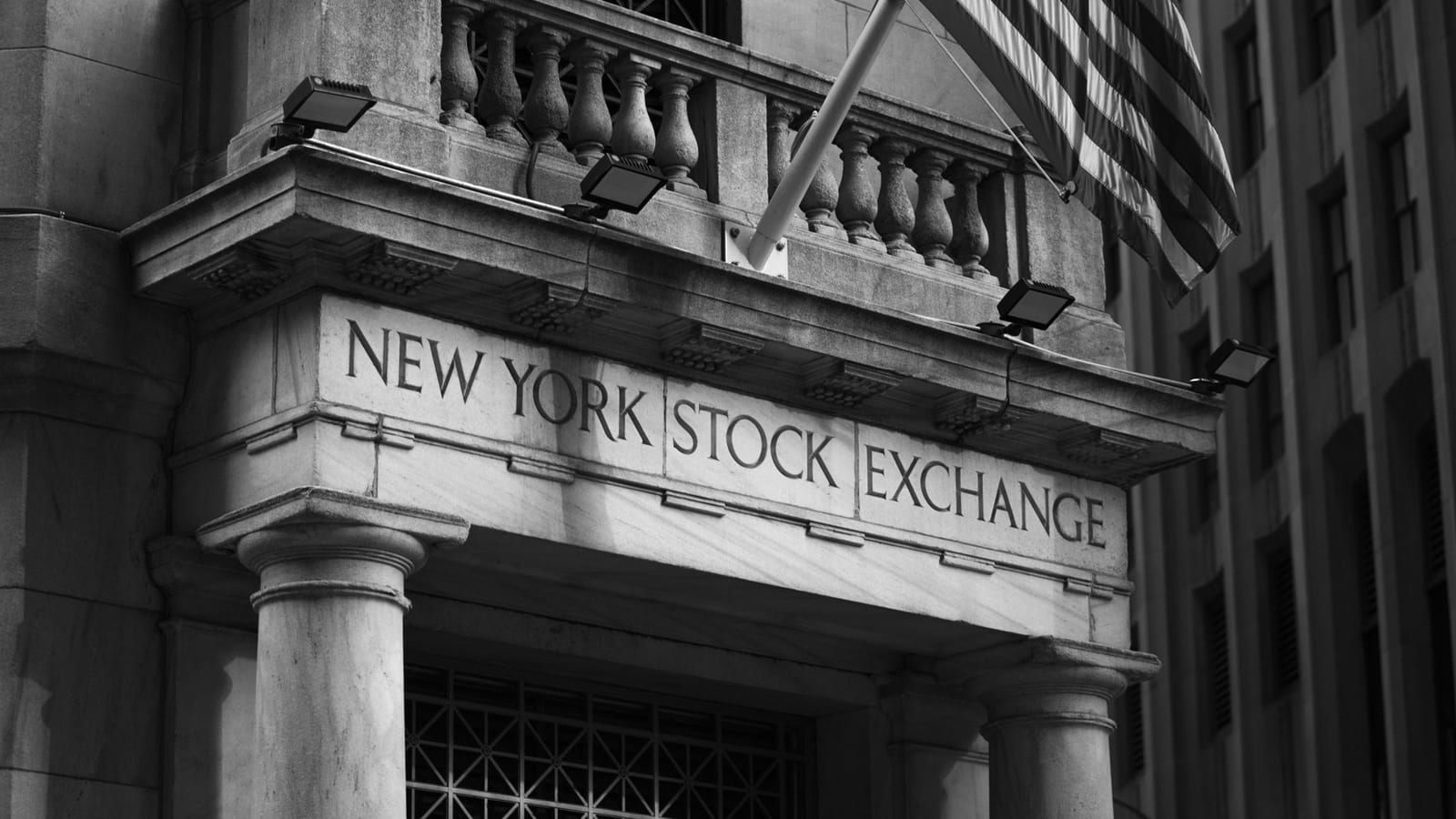
Wall Street gave investors a quiet ending to a very loud quarter.
On Tuesday morning in New York, the big American indices moved only a little. But that small move came after a quarter strong enough to make global investors sit up, including Indian families with US funds in their portfolios.
For someone in India holding an international mutual fund, even a 0.3 percent move matters. On a ₹5 lakh US equity exposure, that is about ₹1,500 before currency changes and fund costs.
Wall Street ends quarter higher
The Standard & Poor’s 500 index rose 0.3 percent by mid-morning trade. The Dow Jones Industrial Average gained 0.1 percent. The Nasdaq Composite climbed 0.7 percent.
Those are not fireworks. But markets do not need daily fireworks when the quarter has already done the heavy lifting.
At the opening bell, the Dow slipped 14.6 points to 52,168.18. The S&P 500 was almost flat at 7,441.27. The Nasdaq opened a shade higher at 25,824.47.
Wall Street has spent this quarter looking past war headlines and chasing earnings strength. That tells you something useful about investor mood.
Jack Ablin of Cresset Capital said equity investors mostly looked through the conflict. He said company earnings and rising estimates did more to drive markets.
That is classic bull-market behaviour. Investors hear bad news, pause briefly, then ask a simple question: are profits still growing?
Jobs data may unsettle traders
The next big test comes from the June jobs report due on Thursday. Ablin said investors want a mildly positive number, not a very strong one.
That may sound odd. In normal life, more jobs mean good news. In markets, too much strength can spook traders.
A very hot jobs report can tell the US Federal Reserve that inflation may stay sticky. If wages rise too fast, companies may lift prices again.
The US Federal Reserve then faces pressure to raise interest rates. Higher rates make borrowing costlier and reduce the present value of future profits.
For Indian investors, this is not a distant Wall Street puzzle. US rates affect foreign flows into emerging markets, including India.
When US yields rise, global money often becomes more cautious. Some investors prefer safer dollar assets instead of taking risk in equities.
The 10-year US Treasury yield edged up to 4.39 percent from 4.38 percent. That is a small move, but the level still matters.
Think of it as the world’s reference rent for money. When that rent rises, every risky asset must work harder to look attractive.
Oil worries return with Iran
Crude oil also moved slightly higher after fresh military strikes involving the United States and Iran over the weekend.
The fresh tension has revived questions around a fragile understanding meant to reduce hostilities. Traders now want to know whether diplomacy can hold.
US officials are meeting Qatari mediators in Doha to discuss the next phase of talks involving Iran. That keeps hopes alive, but only just.
Iran has said it does not plan direct talks with the United States. That makes any lasting settlement harder.
For India, oil is never just another commodity. Higher crude can widen the import bill and pressure the rupee.
A weaker rupee makes imported goods costlier. It can also pinch students abroad, travellers, companies importing parts, and households already watching grocery bills.
This is why Indian markets track Middle East tension closely. The link runs from crude tankers to petrol pumps to inflation.
Nvidia rises, Concentrix sinks
The stock-specific action was sharper than the index move. Nvidia shares gained 1 percent, keeping the artificial intelligence trade alive.
Nvidia has become the market’s favourite shorthand for AI spending. When it rises, investors often read it as confidence in data centres and chips.
But a one percent rise also shows some restraint. After a powerful run, investors still want earnings to justify every fresh rupee of faith.
Concentrix had a very different day. Its shares fell 17.7 percent after the technology company reported profit and revenue below analyst expectations.
That is a brutal move for any shareholder. A ₹5 lakh equivalent exposure would lose nearly ₹88,500 in one session, before currency effects.
AeroVironment surged 22 percent after reporting a jump in quarterly revenue. Defence-linked names often draw attention when geopolitical risk rises.
Morgan Stanley shares slipped 1 percent after Oppenheimer downgraded major Wall Street investment banks. That shows caution around financial stocks, even in a strong quarter.
This mixed tape matters. It tells us investors are not buying everything blindly. They still punish weak earnings and reward clear revenue growth.
Gold loses its shine
Gold prices fell on Tuesday and stayed on course for their sharpest quarterly fall in 13 years. Spot gold dropped 0.2 percent to $4,008.94 an ounce.
Prices have fallen 11.3 percent in June so far. US gold futures declined 0.4 percent to $4,022.70 an ounce.
That move may surprise Indian households. We usually think of gold as the asset people buy when fear rises.
But gold dislikes rising interest-rate expectations. It pays no interest, so it struggles when bonds offer better returns.
Silver fell 0.8 percent to $58.2585 an ounce. Platinum dropped 0.7 percent to $1,564.34, while palladium rose 0.2 percent to $1,215.94.
For Indian buyers, the global price is only half the story. The rupee-dollar rate, taxes, and local demand shape jewellery prices at home.
So a fall in global gold may not fully reach a wedding buyer in Jaipur or Coimbatore. Currency weakness can eat part of that benefit.
The bigger message from Tuesday’s trade is simple. Markets are calm, but not carefree.
Investors are balancing three moving parts: earnings, interest rates, and geopolitics. Any one of them can change the mood quickly.
For ordinary Indian readers, the lesson is not to chase every Wall Street tick. Watch the signals that travel home: US jobs, oil prices, bond yields, and the rupee. Those are the wires through which New York’s mood reaches your SIP, your petrol bill, and sometimes even your next gold purchase.