Alzheimer’s Stigma Delays Care for Indian Families
Families often mistake dementia for ordinary forgetfulness or madness, delaying diagnosis and care for older people with Alzheimer's disease.
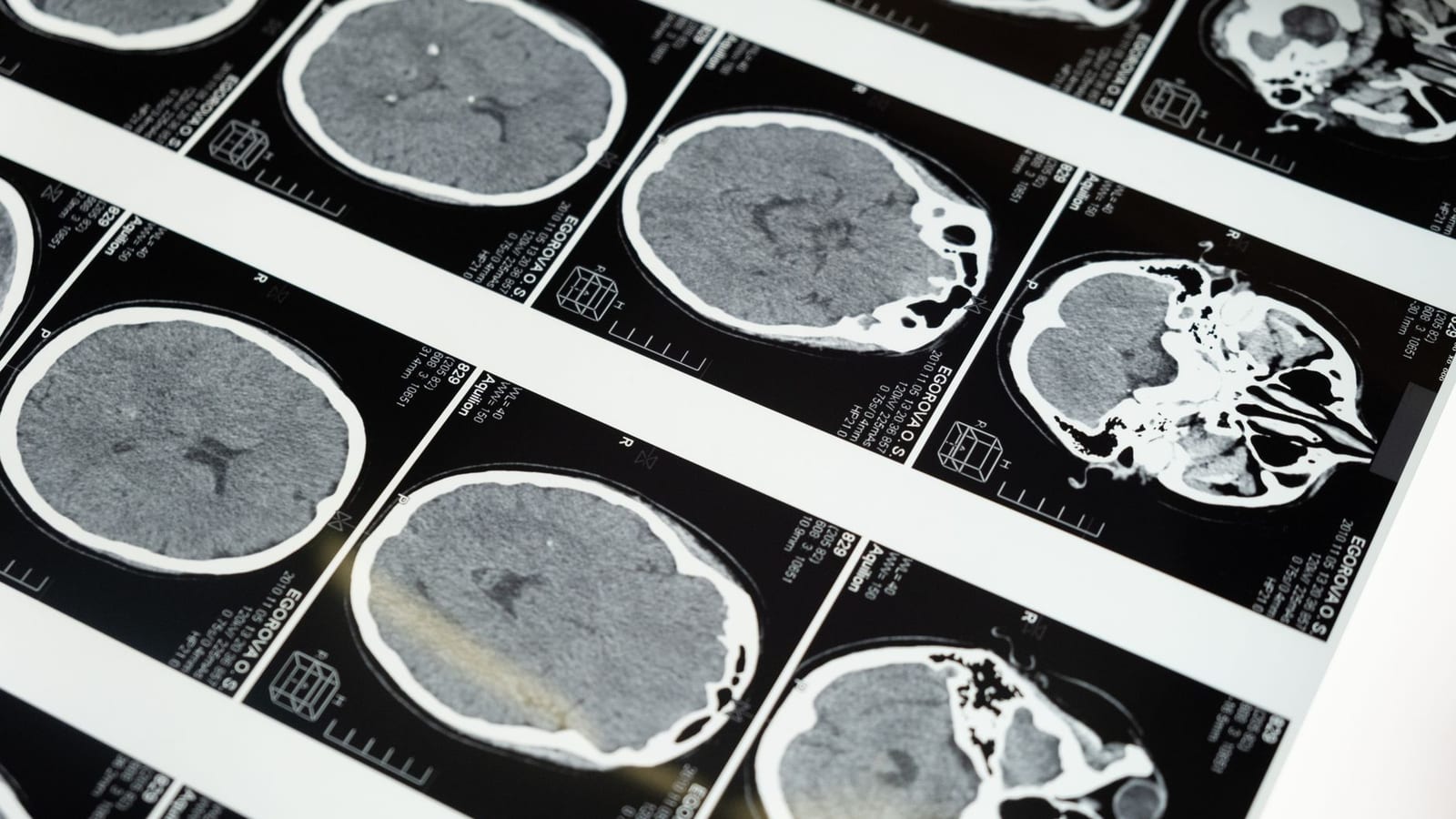
A misplaced key is ordinary. A parent forgetting the way home is not.
That small difference carries a large burden in many Indian homes. Families often laugh off repeated memory lapses, or worse, label them stubbornness, drama, or madness.
More than a century after Alois Alzheimer studied the brain changes behind severe memory loss, that old confusion still hurts patients. It delays diagnosis, piles guilt on families, and keeps many older people away from care.
Why the old label still hurts
Alzheimer’s disease is not ordinary forgetfulness. It is a brain disease that slowly damages memory, thinking, behaviour, and daily function.
The WHO says in its 2025 dementia fact sheet that 57 million people had dementia worldwide in 2021. Alzheimer disease may cause 60 to 70 percent of those cases.
The key word here is dementia. It is an umbrella term, like saying fever. Alzheimer disease is one major cause, just as malaria or dengue can cause fever.
This matters because labels shape behaviour. If a family sees dementia as madness, it hides the patient. If it sees dementia as illness, it seeks help.
What happens inside the brain
In simple terms, Alzheimer disease disrupts the brain’s wiring. Cells that once passed messages smoothly start failing. Memory, judgment, language, and routine tasks slowly suffer.
Doctors often talk about amyloid and tau. Think of them as abnormal protein deposits linked with brain cell damage. They do not explain every case neatly, but they help doctors understand the disease.
The first warning signs can look small. A person may repeat questions, misplace things often, lose track of dates, or struggle with familiar routes.
Mood changes also matter. Anxiety, suspicion, withdrawal, or sudden irritability can appear before families recognise memory loss.
That is why a good diagnosis looks beyond one symptom. Doctors check memory, medicines, sleep, depression, thyroid problems, vitamin levels, and sometimes brain scans.
Families carry the hidden cost
Dementia rarely affects one person alone. It quietly reorganises the whole household.
Someone must manage medicines. Someone must answer repeated questions. Someone must prevent wandering, missed meals, falls, and financial mistakes.
The WHO estimates that dementia cost the world 1.3 trillion dollars in 2019. It also says informal carers, often family and friends, carry about half that cost.
In Indian homes, that care often falls on women. The WHO says women provide 70 percent of care hours globally for people living with dementia.
This is not just emotional labour. It can mean leaving work early, sleeping lightly, handling difficult behaviour, and fighting relatives who deny the problem.
Caregivers need care too. A tired daughter, spouse, or son cannot run forever on love and guilt.
Stigma blocks early diagnosis
Alzheimer’s Disease International published its 2024 World Alzheimer Report after surveying more than 40,000 people across 166 countries and territories.
The report found that 80 percent of the general public wrongly saw dementia as a normal part of ageing. Even among health and care professionals, 65 percent held that belief.
That is the dangerous middle ground. People know something is wrong, but they delay action because ageing sounds less frightening than disease.
Early diagnosis does not magically cure dementia. But it gives families time to plan, treat other health issues, and make homes safer.
It also protects dignity. A person who knows what is happening can still express choices about money, care, routine, and relationships.
Prevention is not a promise
The hopeful part needs careful handling. No doctor can promise that exercise, diet, or puzzles will prevent Alzheimer disease.
Still, risk reduction is real. The WHO says studies link lower dementia risk with physical activity, no smoking, limited alcohol, healthy weight, and better control of blood pressure, cholesterol, and blood sugar.
That advice sounds familiar because the brain does not live separately from the body. What damages blood vessels in the heart can also damage blood flow in the brain.
Hearing loss, depression, social isolation, and low mental activity also deserve attention. They are not moral failures. They are health signals.
For ordinary readers, the message is practical. Treat blood pressure. Check sugar. Get hearing and vision tested. Stay socially connected. Walk regularly if your doctor allows it.
And when memory loss starts disturbing daily life, do not wait for a crisis. A timely medical visit can spare months of confusion and blame.
The lesson from Alzheimer’s old discovery remains painfully current. Forgetting is not shameful. Ignoring it is costly. For Indian families, the next step is not fear, but earlier conversations, kinder care, and a visit to the right doctor before the home reaches breaking point.
This article is for informational purposes only and does not substitute medical advice. Consult a qualified physician for any health concern.
This article is for informational purposes only and does not substitute medical advice. Consult a qualified physician for any health concern.