Chair Yoga Gains Ground As Office Back Pain Rises
Chair yoga is being discussed in office wellness as long desk hours tighten backs, hips and necks, with simple seated moves offering relief.
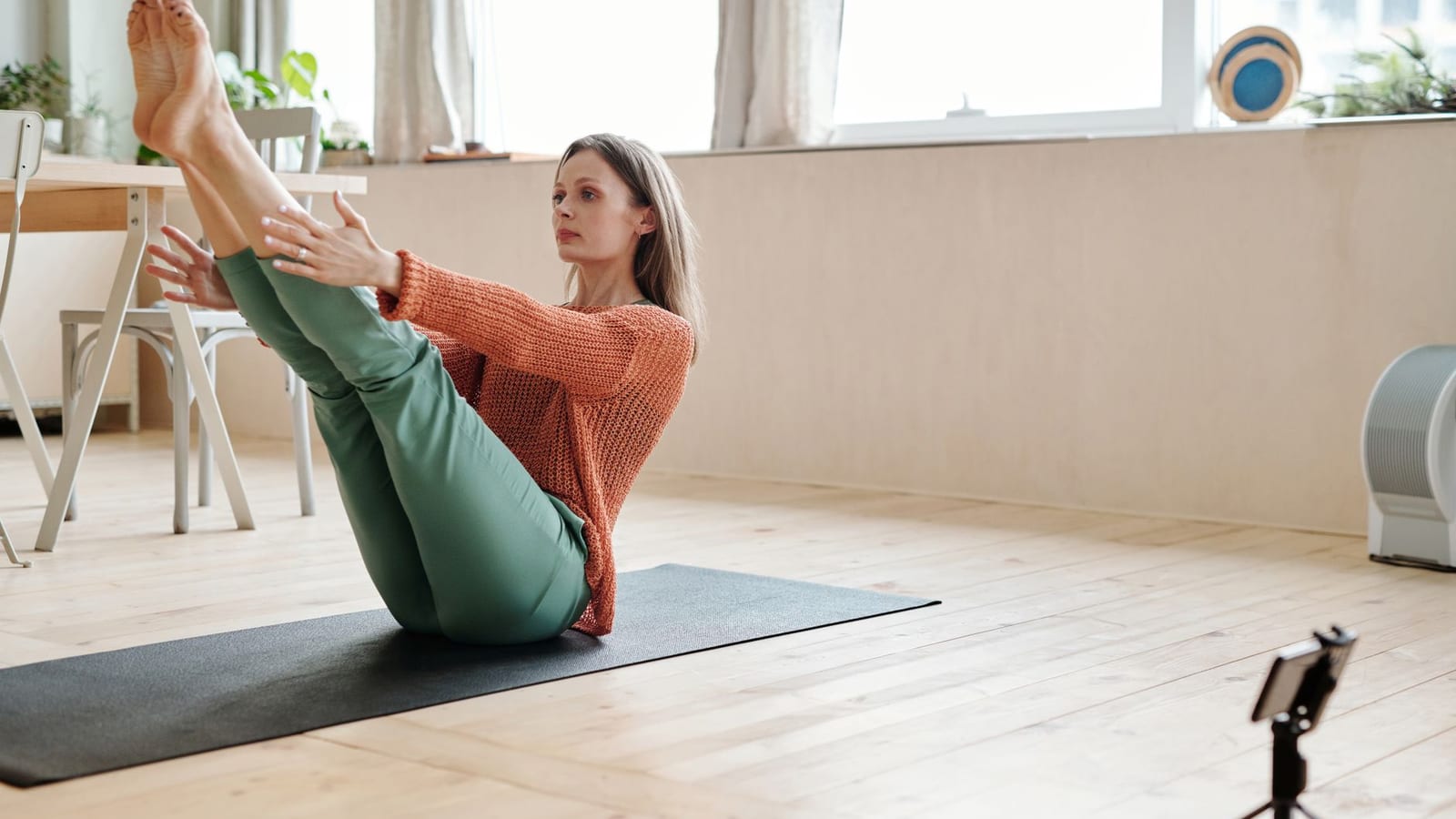
By 4 pm, the office chair starts telling the truth.
The shoulders creep upward. The lower back feels like a locked drawer. The neck complains because the laptop has pulled your face forward all day.
For millions of India’s desk workers, back pain is no longer a weekend injury. It builds quietly between spreadsheets, video calls, and lunch eaten at the desk.
That is why chair yoga has entered office wellness conversations. It does not need a mat, a tracksuit, or a silent room. It needs two minutes, steady breathing, and some honesty about how long we sit.
Why desk backs stiffen
Most office back pain starts without drama. No fall, no heavy suitcase, no gym mistake. Just hours of stillness, a rounded upper back, and a screen sitting below eye level.
The spine has natural curves that spread body weight well. When the head moves forward, the neck and upper back muscles work harder. Over time, they tighten and tire.
Sitting also loads the lower back in one fixed position. The hips shorten, the glute muscles switch off, and the lower spine loses movement. That is when a harmless ache can become a daily pattern.
The World Health Organization says in its physical activity guidance that all movement counts. It also warns that long sedentary time links with poorer health outcomes. For office workers, the message is simple. Move before pain forces you to move.
Four chair yoga moves
Chair yoga works best as a small reset, not a performance. The first useful move is a seated cat-cow stretch. Sit tall, place both hands on the knees, inhale as the chest opens, then exhale as the back rounds gently.
This movement takes the spine through flexion and extension. That means bending one way, then the other. It can ease stiffness in the upper back and neck after long screen time.
The second move is the seated spinal twist. Sit upright, place the left hand on the right knee, and turn the chest to the right. Hold the chair lightly, breathe, then repeat on the other side.
A twist should feel like a wring-out, not a fight. It may help the waist, mid-back, and rib muscles loosen. People with sharp pain should avoid forcing the turn.
Chair pigeon is the third move, and many desk workers feel it fast. Place the right ankle over the left knee, keep the spine long, and lean forward slightly. Hold the position, then change sides.
This targets the outer hip and buttock muscles, which often tighten after sitting. Some people call it a hip opener. In plain English, it gives crowded muscles room to breathe.
The fourth move is seated eagle arms. Bring both arms forward, wrap one arm over the other, and lift the elbows to shoulder height. Keep the palms or backs of hands together if possible.
This stretch reaches the upper back, shoulders, and the space between the shoulder blades. It can help people who spend hours typing, scrolling, or holding the phone near the face.
Warning signs need attention
Chair yoga can ease ordinary stiffness, but it cannot diagnose a spine problem. That distinction matters. Back pain is common, but not all back pain is casual.
The NHS says in its back pain advice that some symptoms need medical help. These include pain that does not improve after home care for a few weeks, sudden severe pain, feverish illness, weight loss, or pain that worsens at night.
More urgent signs include weakness, numbness, tingling in both legs, or changes in bladder and bowel control. Those symptoms can suggest nerve involvement. They need quick medical attention.
For Indian office workers, the practical lesson is blunt. Do not keep swallowing painkillers and stretching through worsening pain. If the pain travels down the leg, disturbs sleep, or keeps returning, see a qualified doctor.
Better desks reduce pain
The workstation still matters. Chair yoga helps, but it cannot undo a poor setup used for nine hours daily. The screen should sit near eye level, so the neck need not bend down.
Feet should rest flat, or on a support. The chair should allow the lower back to feel supported. The keyboard should sit close enough that shoulders stay relaxed.
The US CDC and NIOSH say in their ergonomics guidance that awkward postures can worsen work-related muscle and joint problems. That sounds technical, but the idea is simple. A bad position repeated daily becomes a health issue.
Employers should take this seriously, especially in IT offices, call centres, banks, and back-office teams. A two-minute walk every hour costs little. It may save lost workdays, clinic visits, and a lot of silent discomfort.
Chair yoga fits because it works inside real office life. People can do it between calls, before lunch, or after a long meeting. It lowers the barrier between knowing and doing.
Still, the bigger lesson is not that four poses can fix modern office life. It is that the body keeps asking for movement, even when work asks for stillness. As screen-heavy jobs grow, the healthiest workplace habit may be the simplest one: stand up, stretch gently, breathe well, and take pain seriously before it becomes part of the job.
This article is for informational purposes only and does not substitute medical advice. Consult a qualified physician for any health concern.
This article is for informational purposes only and does not substitute medical advice. Consult a qualified physician for any health concern.