Monsoon Risk Rises In Jharkhand, Himachal And Bihar
Heavy rain alerts, lightning deaths and blocked routes in Jharkhand, Himachal Pradesh and Bihar show how the monsoon is turning dangerous.
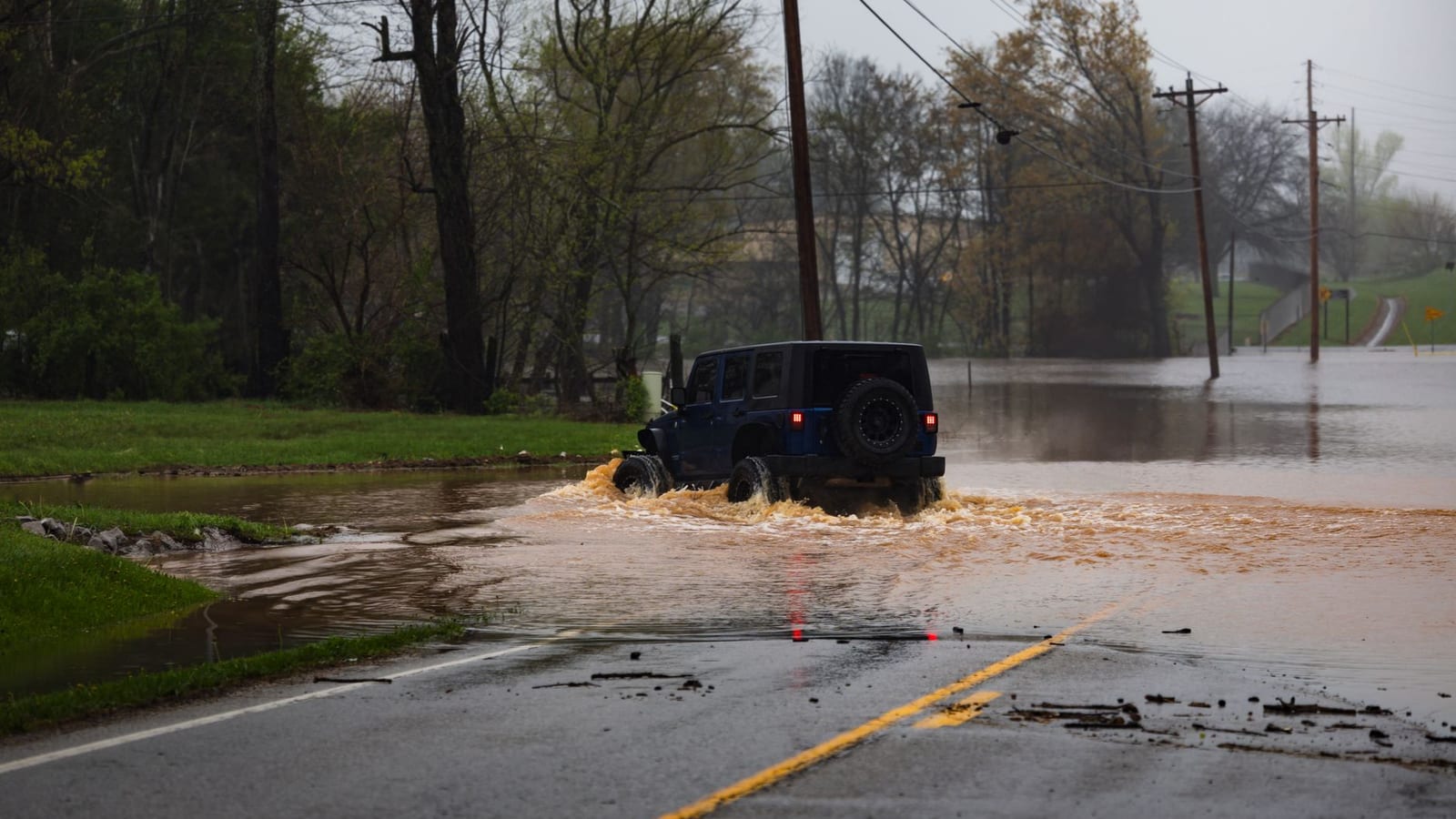
The first sharp burst of rain can still make an Indian street smell like home. This week, it also carried a warning.
Across Jharkhand, Himachal Pradesh and Bihar, the monsoon has turned from romance to risk. Temples have been struck by lightning, roads have snapped in hill districts, and pilgrim routes have been paused before crowds could walk into danger.
This is the part of the season urban India often forgets. Rain is not just traffic, tea and balcony photos. For many families, it decides whether roads open, crops survive, power lines hold, and children return home safely.
Rain turns dangerous in Jharkhand
The IMD has forecast heavy rain in Jharkhand from June 30, with a yellow alert for nine districts. A yellow alert is not a panic button. It is a warning to stay watchful because weather can disrupt normal life.
That warning already feels close to the ground. In the state, lightning has killed six people in 24 hours, including two minors. For families in rural areas, this is the monsoon’s most frightening face.
Lightning rarely gets the public attention of floods. Yet it kills quickly, often in open fields, near trees, or while people move between work and home. Farmers, schoolchildren and daily wage workers face the biggest risk.
A separate incident in Hazaribagh shows another worry. A child died after a snake bite, and the body was reportedly kept in cow dung for hours after advice from a tantric. It is a painful reminder that access to fast medical care still decides outcomes.
Himachal roads face monsoon pressure
In the hills, rain behaves differently. A heavy spell does not just fill drains. It can cut off whole stretches of life.
In Lahaul-Spiti, a flooded stream damaged a road and broke contact in parts of the district. Vehicles were left stuck after water rushed through the area. For travellers, that can turn a scenic route into a long wait.
Authorities have also issued an orange alert for July 2 and July 3. An orange alert means people should prepare for rough weather and possible disruption. In hill states, that usually means landslides, blocked roads and sudden water flow.
The Kinner Kailash and Shrikhand Mahadev pilgrimages have been suspended after the rain warning. That decision may disappoint many devotees. But mountain pilgrimages depend on timing, terrain and weather more than enthusiasm.
The modern Indian traveller has become adventurous. Weekend trips to the hills are no longer rare. But the monsoon is still the old boss of mountain roads, and it does not negotiate with plans.
Temples, travel and daily faith
In Bihar, lightning struck two Shiv temples. One temple roof was damaged, while another temple’s dome broke. No detail in such a report feels small in towns where temples are part of daily rhythm.
For many people, the temple is not only a place of worship. It is where elders meet, children run around, and festivals begin. When lightning hits such a place, fear travels faster than the news.
This is also the season when faith travel rises. Shravan approaches, pilgrims prepare, and many families plan short religious trips. Weather now becomes part of devotion itself.
The smarter shift is already visible. Administrations are more willing to pause journeys when warnings turn serious. That may feel strict in the moment, but it saves lives.
For ordinary families, this means checking weather alerts before travel is no longer optional. It is now as basic as booking a ticket or packing medicines.
The monsoon needs new habits
Indian life has always adjusted around the rains. Clothes move indoors, vendors cover carts with plastic sheets, and children are told to return before dark. But the weather now demands sharper habits.
A yellow alert or orange alert should not sit unread on a phone screen. These alerts are simple signals. Yellow means caution. Orange means prepare. Red means danger is likely.
The bigger challenge lies outside cities. In villages and small towns, people may not receive warnings on time. Even when they do, work cannot always stop.
A farmer cannot always leave the field when clouds gather. A worker cannot always skip a shift because roads look unsafe. That is why local systems matter more than polished advisories.
Panchayats, schools, bus operators and temple committees can pass warnings faster than distant offices. In bad weather, trusted local voices often matter most.
There is also a health lesson here. Snake bites, lightning strikes and flood injuries need quick medical response. Delay can be fatal. Traditional belief may offer comfort, but emergency care saves lives.
The monsoon will remain part of India’s emotional calendar. It cools cities, feeds farms and lifts the mood after brutal heat. But this week’s reports show the other side clearly.
Rain now asks for respect, not fear. The families watching roads, temples and skies know this already. For everyone else, the message is simple enough: enjoy the season, but listen when the weather speaks.