India Women Bow Out of T20 World Cup After Australia Loss
India's women's team lost to Australia by six wickets at Lord's, ending its T20 World Cup run and prompting calls to rethink bowling and fielding.
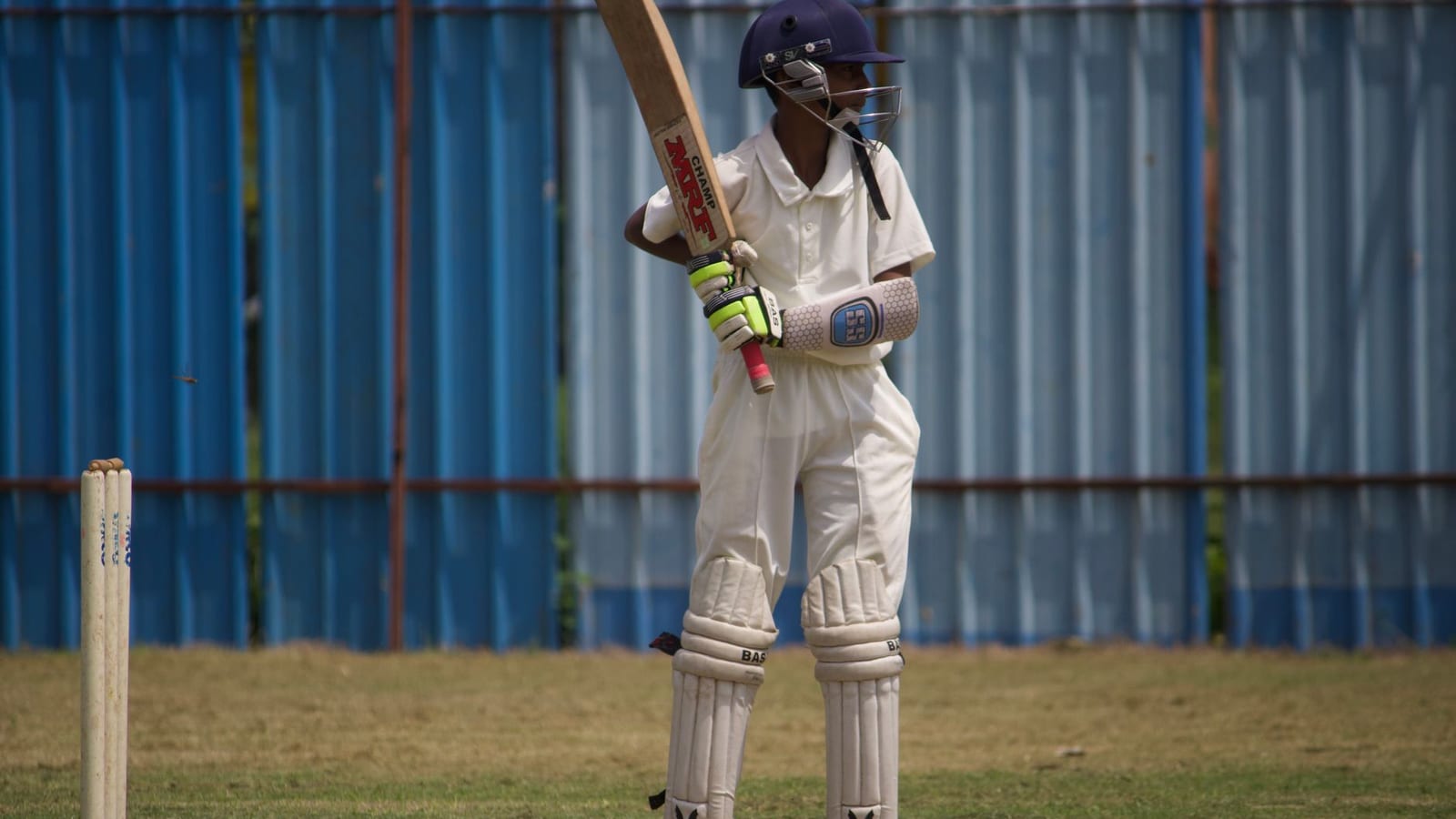
Lord’s had 27,163 fans on Sunday, and India still left quietly.
That is the strange beauty of this Women’s T20 World Cup. The tournament has grown louder, richer, and more watched. Yet for Indian cricket, the familiar ache remains.
The India women’s cricket team lost to Australia by six wickets at Lord’s. With that, India’s T20 World Cup wait stretched further, even as the event itself moved into its biggest week.
India’s campaign ends at Lord’s
India came into this World Cup with a sharper public expectation. The women’s one-day success had lifted belief at home. Fans no longer watched only with hope. They watched with demand.
That is a healthy shift, but also a harsh one. In T20 cricket, reputation lasts about three overs. A dropped chance, a flat spell, or one poor over can decide a campaign.
India’s exit was not a freak accident. Head coach Amol Muzumdar later said the team must rethink its T20 approach. He pointed towards bowling and fielding as clear areas for repair.
That assessment will sting because India’s batting showed intent. The bigger issue came after that. In modern T20 cricket, teams cannot only hit boundaries. They must defend them too.
Harmanpreet Kaur remains central to the story. Her leadership has carried Indian women’s cricket through a huge cultural shift. Yet another global T20 miss will force hard questions.
Semi-finals bring four different stories
The ICC has confirmed Australia, England, West Indies, and South Africa as the semi-finalists. Both semi-finals will be played at The Oval in London.
Australia face West Indies on June 30 at 7 pm IST. England meet South Africa on July 2 at 11 pm IST. The final will be played at Lord’s on July 5.
Australia carry the old champion’s weight. They have won this title six times, more than anyone else. Even when their team changes, their tournament habits rarely do.
West Indies bring a very different energy. They have lived on bursts of flair, nerve, and survival. Their path was uneven, but T20 often rewards that exact danger.
England have the home advantage and a serious record to protect. They have never lost a T20 or ODI World Cup they hosted. South Africa, meanwhile, keep knocking on the door.
For Indian viewers, this final week may feel slightly distant. But it should still matter. These are the teams India must beat, not admire, over the next cycle.
Lord’s crowd changes the mood
The most telling number from this World Cup may not be a strike rate. It may be 27,163, the crowd at Lord’s for Australia against India.
That figure broke the group-stage attendance record for the Women’s T20 World Cup. The tournament’s total attendance also crossed 125,000 during the group stage.
This matters beyond cricket. For years, women’s sport was treated like a polite side event. Good enough for praise, not always good enough for prime time.
That mood has changed. Families are watching. Young girls see players with contracts, crowds, and pressure. Brands now see value where they once saw token visibility.
In India, this shift feels especially important. Women’s cricket no longer needs to borrow emotion from the men’s game. It has its own heartbreaks, heroes, and arguments.
The lifestyle signal is clear too. Watching women’s cricket is becoming part of urban Indian taste. It sits beside streaming culture, weekend sport, and social media clips.
That may sound small, but it changes the ecosystem. Once a sport becomes part of regular conversation, investment follows. Coaching improves. Sponsors stay. Talent gets noticed earlier.
Bigger World Cup raises standards
This edition also marks a structural change. The Women’s T20 World Cup expanded from 10 teams to 12 teams for the first time.
That means more matches, more cities, and more uneven contests at first. But it also means more countries get the pressure that builds serious teams.
The format kept things simple. Twelve teams were split into two groups of six. Each team played the others in its group once. The top two from each group reached the semi-finals.
England hosted the first Women’s T20 World Cup in 2009. They won that edition too. Seventeen years later, the same country is hosting a much larger tournament.
The list of champions remains short. England, Australia, West Indies, and New Zealand have won the title. India have not.
That blank space now carries more weight. Indian fans have seen enough talent to stop accepting near-misses as progress. They want planning, depth, and sharper execution.
The next phase will test the system beneath the stars. India need faster fielders, calmer death bowlers, and clearer roles. They also need domestic T20 cricket to produce match-ready players.
For ordinary Indian readers, that is the real takeaway from this World Cup. The sport has grown up in public. Now India must grow with it, or watch others own the biggest nights.