Desk Workers Turn to Chair Yoga for Back Pain Relief
Chair yoga and better ergonomics can help desk workers reduce back, neck and shoulder strain caused by long sitting hours and poor posture.
By 4 pm, many office chairs start feeling less like furniture and more like a trap.
Your neck tightens, your lower back complains, and your shoulders slowly climb towards your ears. For millions of desk workers, this is now part of the workday.
But back pain from sitting is rarely just about the back. It is usually a full-body protest against stillness, poor posture, and long screen hours.
Why office backs rebel
The World Health Organization says adults should reduce long sedentary time and move more through the week. That sounds simple, but office life makes it difficult.
A coder, banker, designer, or call-centre worker may sit through calls, deadlines, meals, and messages. The body reads that as one long pause.
When you sit too long, your hip muscles shorten, your spine stiffens, and your shoulders round forward. Your lower back then carries load it was never meant to carry alone.
The Mayo Clinic says chair height, screen position, and desk posture can affect neck, back, wrist, and shoulder strain. In plain English, your workstation can either support you or slowly wear you down.
This is where chair yoga helps. Not as a magic cure, but as a small reset. It gives stiff joints movement and tense muscles a chance to relax.
Four chair stretches that help
The Chair Cat-Cow Stretch is a good starting point. Sit upright, keep both hands on your knees, and move slowly with your breath.
As you inhale, lift your chest and gently pull your shoulders back. As you exhale, round your back and let your chin move towards your chest.
This movement wakes up the spine without asking you to leave your chair. Done 5 to 10 times, it may ease tightness in the upper back and neck.
The Seated Spinal Twist works on the stiffness that builds around the waist. Sit tall, place your left hand on your right knee, and turn gently to the right.
Use the chair back for light support, not force. Hold for a few seconds, then repeat on the other side.
Twists can help people who feel locked around the lower back after long sitting. They also remind the spine that it can move in more than one direction.
Hips carry the sitting load
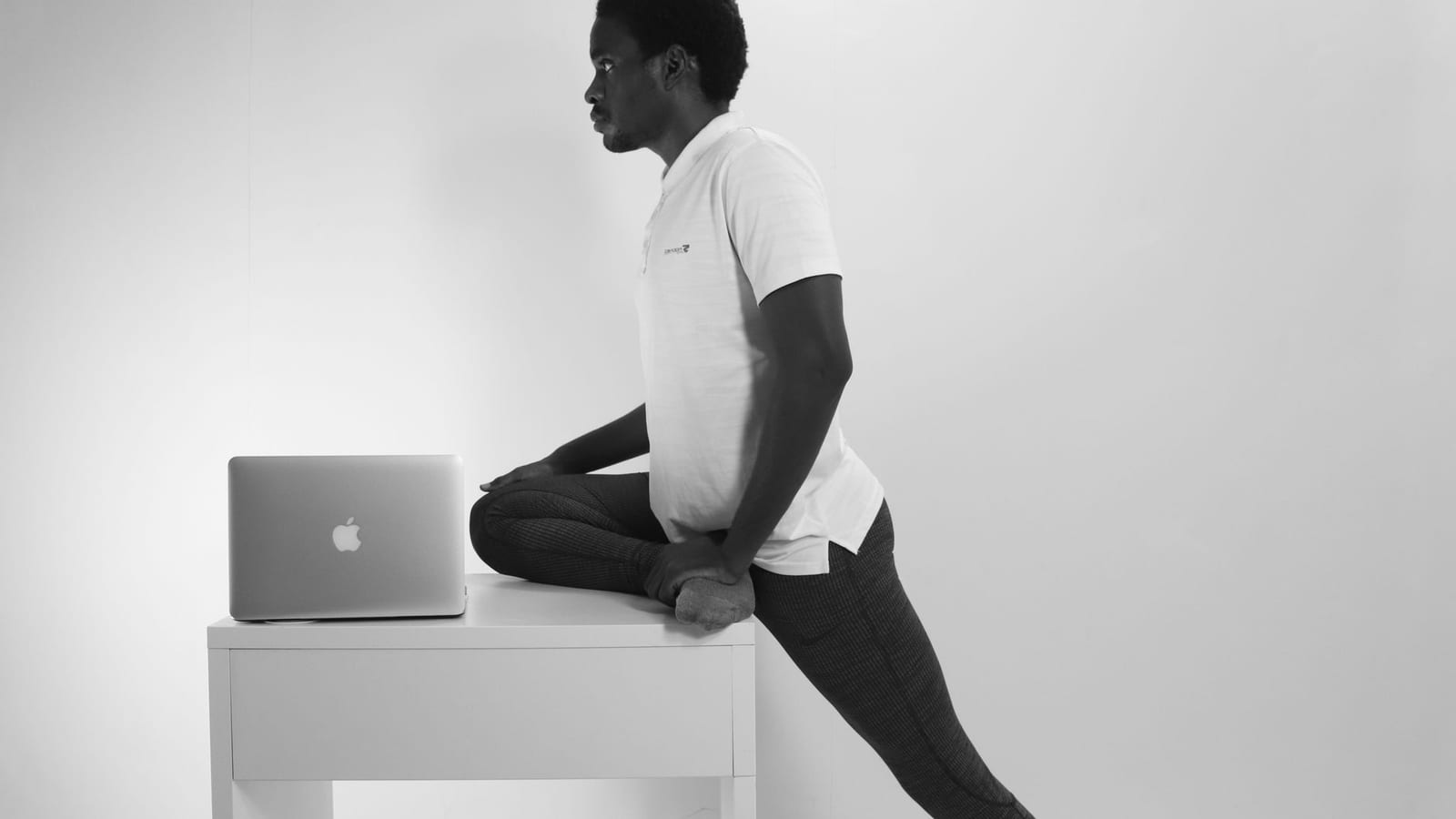
The Chair Pigeon Pose targets the hips, which often suffer quietly during desk work. Sit straight and place your right ankle across your left knee.
Keep your spine long and lean forward slightly. Do not collapse into the stretch or bounce. Stay there for about 30 seconds, then change legs.
This pose stretches the hip and outer thigh area. That matters because tight hips can pull on the lower back and worsen discomfort.
People often call this a “hip opener”, but the idea is simple. You are reducing tightness around muscles that stay shortened while sitting.
The Seated Eagle Arms stretch focuses on the shoulders and upper back. Bring both arms forward and wrap one around the other.
Lift your elbows to shoulder level, while keeping your shoulders relaxed. Keep your hands away from your face and breathe slowly.
This can help people who spend hours typing or looking at screens. It is especially useful when neck pain comes with shoulder tightness.
Your desk setup matters too
Stretching helps, but it cannot fully undo a poor workstation. If your screen sits too low, your neck pays the bill every day.
Mayo Clinic advises keeping the monitor directly in front of you, about an arm’s length away. The top of the screen should sit at or slightly below eye level.
Your feet should rest flat on the floor, or on a footrest. Your elbows should stay close to the body, with relaxed shoulders.
A laptop alone often creates trouble. The screen sits low, and the keyboard sits too close. A stand, external keyboard, and mouse can reduce strain.
The most underrated advice remains the simplest. Get up every 1 to 2 hours and walk for a couple of minutes.
You do not need a fitness tracker sermon for this. Stand, refill water, take a short corridor walk, or stretch near your desk.
Breathing also matters, but not because it magically floods the brain with oxygen. Slow breathing simply helps you move with control and notice tension sooner.
When pain needs a doctor
Most mild back pain improves with movement, rest, and sensible stretching. The NHS says staying active often helps recovery.
But pain that keeps worsening deserves attention. So does pain that stops daily work, returns often, or spreads down the leg.
Sciatica is one example. It means irritation of the sciatic nerve, which can send pain from the lower back into the leg.
If you feel numbness, weakness, tingling in both legs, or bladder changes, seek urgent care. Those signs need medical assessment, not YouTube stretches.
Also stop any pose that increases sharp pain. Stretching should feel like mild tension, not a warning alarm.
For Indian office workers, the lesson is not that everyone must become a yoga person. The lesson is smaller and more useful. Your body needs interruptions from stillness. A better chair, a raised screen, and four careful stretches can make the workday kinder. The real win is building movement into ordinary life before pain starts making decisions for you.
This article is for informational purposes only and does not substitute medical advice. Consult a qualified physician for any health concern.
This article is for informational purposes only and does not substitute medical advice. Consult a qualified physician for any health concern.