Cheap drones force costly rethink in US-Iran conflict
Iran's low-cost drones and missiles exposed how modern air defence can drain richer rivals, forcing the US and allies into costly choices.
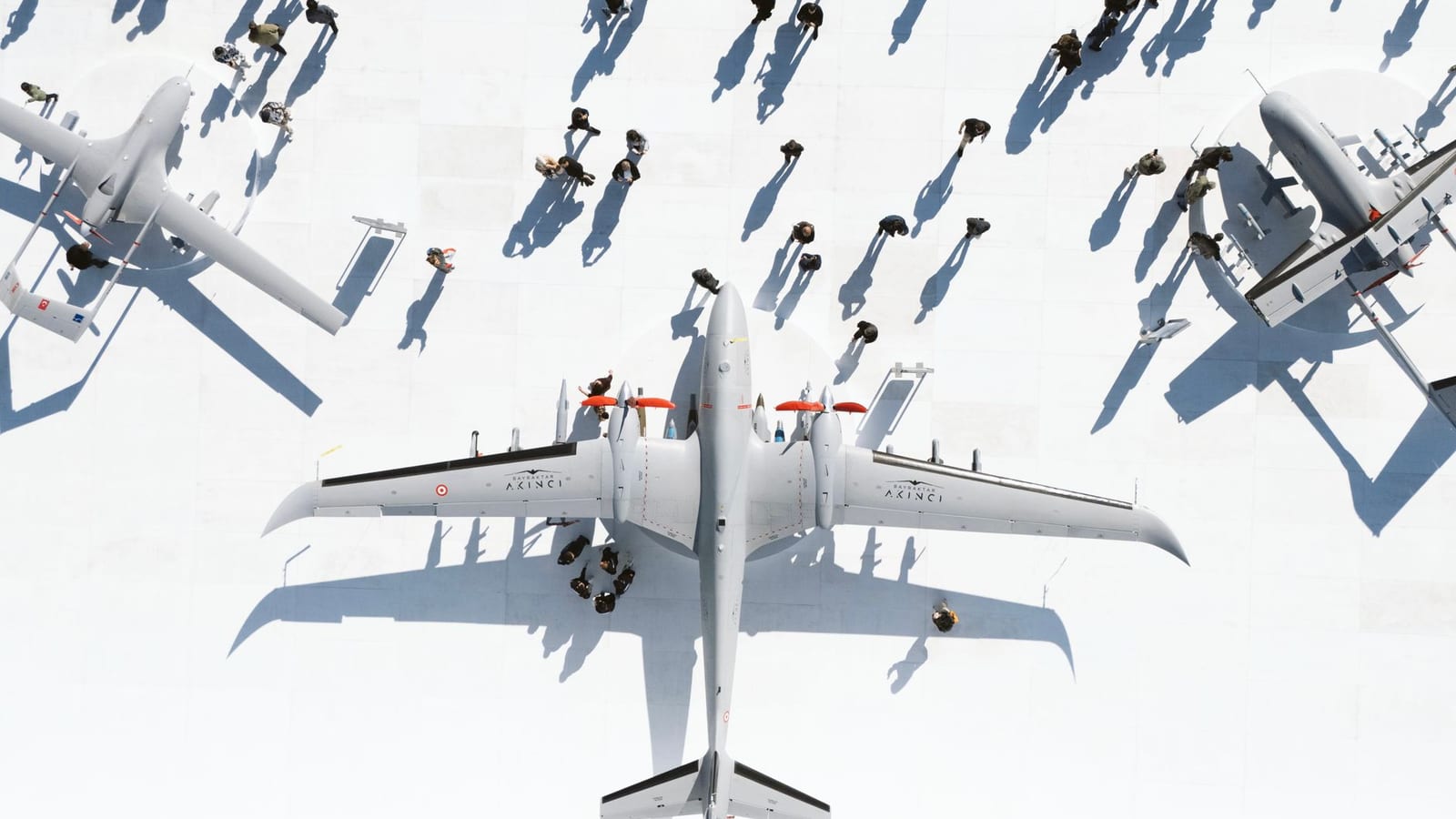
A cheap drone can force a rich army to fire a missile worth a small fortune. That is the simple, brutal maths behind the latest US-Iran conflict.
One Iranian attack drone may cost tens of thousands of euros. A Patriot interceptor can cost around 3.2 million euros. Armies often fire two interceptors to be sure.
That imbalance explains why a smaller power did not need to win outright. It only needed to make victory painfully expensive for the stronger side.
Cheap drones, costly defence
The war between United States, Israel and Iran showed a hard truth about modern conflict. Military power no longer means only aircraft carriers, stealth jets and huge budgets.
Iran could not fight America or Israel on their terms. Steven Feldstein of the Carnegie Endowment said Tehran understood that quickly. A direct contest would have ended badly for the Iranian regime.
So Iran chose another route. It mixed precision missiles, cheap attack drones and pressure in the Gulf. The aim was not just to destroy targets. It was to stretch nerves, stockpiles and budgets.
The numbers tell the story. US-made air defence systems in Gulf countries faced waves of drones and missiles. These attacks tried to overwhelm defences in Qatar, Kuwait, Bahrain, Saudi Arabia and the UAE.
That matters for India too. New Delhi buys advanced weapons, but it also watches costs closely. If a cheap drone can drain expensive defences, every military planner must rethink priorities.
The Gulf felt the shock
Iran also pushed the fight beyond military bases. It threatened shipping, energy routes and Gulf infrastructure. That is where the conflict became a global economic story.
The Strait of Hormuz sits at the heart of this tension. A large share of the world’s oil and gas moves through these waters. Even fear of disruption can rattle markets.
The conflict reportedly hit Qatari liquefied natural gas shipments. Nearly 17 percent of those flows were affected, with revenue losses put near 15 billion euros. That is not a distant statistic.
For India, Gulf energy is household economics. Costlier oil and gas can mean higher fuel bills, expensive transport and pressure on inflation. A taxi driver in Delhi and a small factory owner in Surat both feel that chain.
Iran also used uncertainty as a weapon. A single mine scare can slow shipping as much as a field of mines. Ships, insurers and buyers react to fear before they react to damage.
That is classic pressure politics. You may not need to close a sea lane. You only need to make everyone wonder whether it is safe.
America faced an old problem
Washington sent a huge force to the region. The deployment was among its largest in West Asia since the Iraq war. It included warships, elite troops and assault vessels.
Yet the United States did not invade Iran. Feldstein argued that Donald Trump never sold the war to Americans. A ground campaign with heavy casualties would have been politically toxic.
That left America fighting from a distance. It hit targets with missiles, drones and guided bombs. US Central Command said it struck thousands of targets and damaged Iran’s missile network.
But air power has limits. Without troops on the ground, nobody can easily confirm what survived. Videos of bombed launchers do not prove an enemy’s whole system is finished.
Iran took heavy losses. Tehran estimated damage at about 230 billion euros, a staggering share of its economy. It also lost senior military commanders and parts of its arsenal.
Still, the regime appears to have preserved enough capacity to remain dangerous. Its ballistic missile programme remains central to its defence thinking. Peace understandings have not removed that issue.
Missiles are not the whole story
Iran’s real edge lies in uncertainty and scale. Outside powers do not know every storage site, launch point or production centre. That makes complete destruction extremely hard.
The regime may still hold thousands of missiles. More importantly, it has built a large drone industry. Before the war, estimates put its attack drone stocks at around 80,000 units.
Drones change the economics of war. They are cheaper to build, easier to move and harder to stop in large numbers. They also let weaker states keep fighting after heavy losses.
This is the lesson India should watch closely. Future wars may not begin with dramatic invasions. They may begin with swarm attacks, cyber pressure and strikes on ports, refineries or grids.
The US used thousands of valuable missiles during the conflict. Analysts Mark F. Cancian and Chris H. Park estimated that rebuilding some stocks could take one to four years.
That creates a second problem. If America burns through interceptors in West Asia, partners elsewhere may worry. Ukraine, Taiwan and Gulf allies all depend on those same supply chains.
India cannot ignore the signal
For India, this war is not just another West Asian crisis. It sits inside our energy security, diaspora safety, shipping routes and defence planning.
Millions of Indians live and work in the Gulf. Their salaries support families across Kerala, Uttar Pradesh, Telangana and Punjab. When airports, energy plants or sea lanes face threats, ordinary Indian households are not far away.
There is also a diplomatic lesson. Smaller powers now have more ways to impose costs on larger ones. They can target confidence, commerce and public patience, not only military assets.
That does not make Iran stronger than America. It means victory has become harder to define. A superpower can punish an adversary and still fail to force surrender.
The next crisis in West Asia may again look far away on television. But for India, the distance is misleading. Fuel prices, remittances, defence budgets and shipping insurance can carry that shock home very quickly.