Coolcation Demand Shifts India's Summer Travel Map
Indian travellers are choosing cooler, quieter local destinations as monsoon escapes and mountain getaways reshape summer holiday plans.
The Indian holiday is getting smarter, quieter, and far more local than before.
When heatwaves make cities feel like furnaces, travellers are not just chasing air-conditioned resorts. They are looking for mist, rain, rivers, tea estates, caves, temples, orchards, and airports that feel like destinations.
This is not the old postcard version of tourism. It is India rediscovering itself, one long weekend and monsoon escape at a time.
Coolcations reshape Indian summer travel
The big shift is simple. Indian travellers want cooler places, fewer crowds, and slower days.
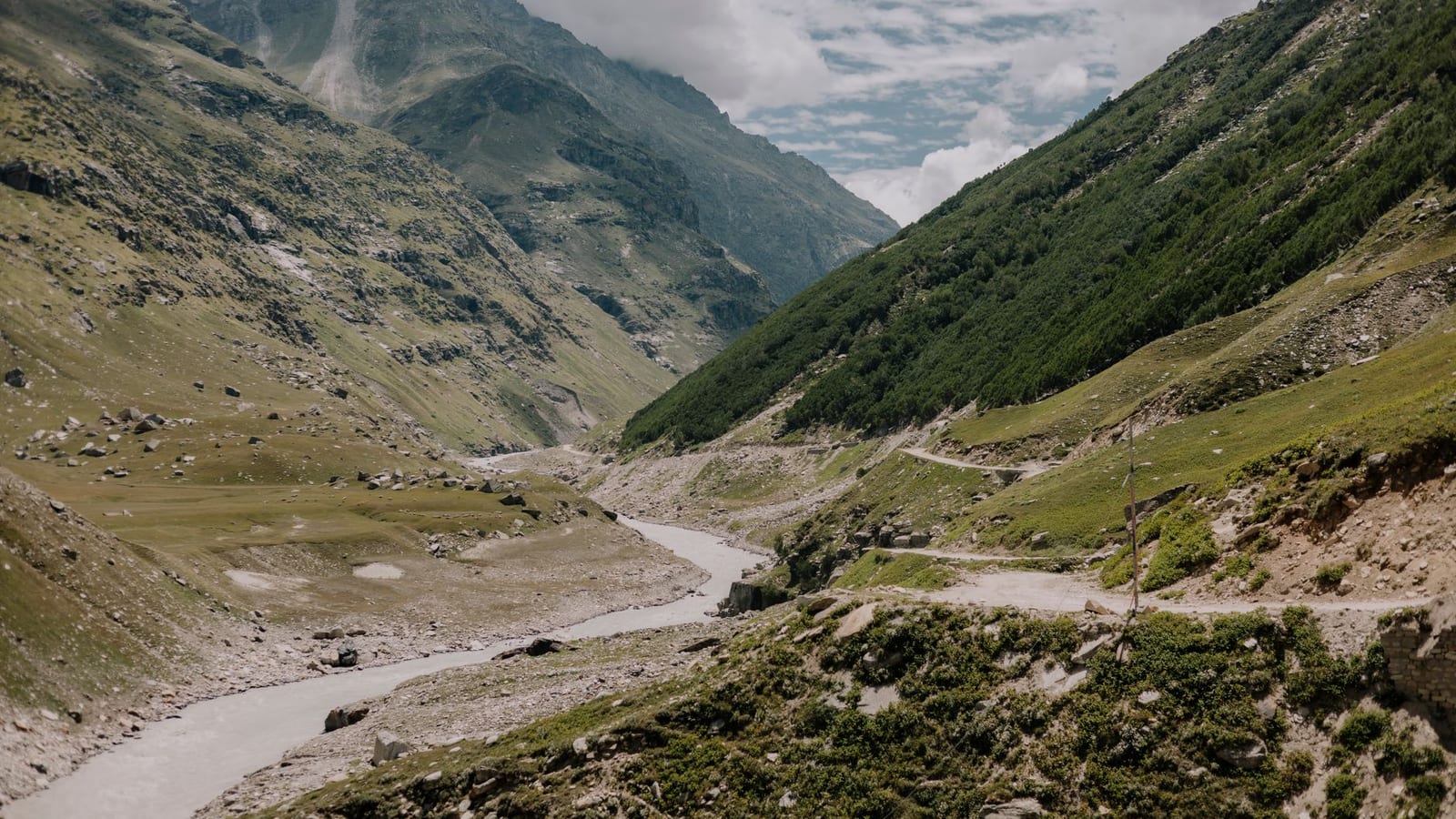
That is why the summer map now stretches beyond Shimla and Manali. Places like Sissu in Himachal Pradesh and Tons Valley in Uttarakhand are drawing attention for the same reason. They offer mountain air without the usual traffic jam of honking cars and packed cafés.
Tons Valley gives travellers rafting, treks, and Himalayan quiet. Sissu, in Lahaul Valley, offers riverside walks, clear skies, and a softer pace beyond Manali’s rush.
For families, this matters. A holiday with children or elderly parents works better when the journey itself does not feel like punishment.
Young professionals are also choosing shorter, calmer breaks. They may not have two weeks off. But they can manage three days in the hills if transport and stays feel simple.
Monsoon travel gets serious attention
For years, many Indians treated monsoon as a season to avoid travel. That thinking is changing fast.
Meghalaya sits at the centre of this new rain-season romance. Its waterfalls, misty hills, root bridges, and green valleys look most alive when the clouds arrive.
South India is seeing a similar pull. Travellers are looking at rainy-season escapes with waterfalls, hill stations, and cooler weather. The mood is less about ticking off sights and more about sitting still long enough to feel the place.
Odisha’s Keonjhar and Muruguma in Purulia also fit this mood. They offer rain-soaked landscapes without the pressure of a famous tourist circuit.
Of course, monsoon travel needs common sense. Roads can close, trails can get slippery, and waterfalls can turn dangerous. The better traveller now checks conditions before booking, not after reaching.
India’s culture trips feel alive
The other clear trend is cultural travel that does not feel dusty or frozen.
Kashi remains one of the strongest examples. The Kashi Vishwanath Temple, Ganga Aarti, Assi Ghat, and local markets pull visitors into a city where faith and daily life share the same lane.
Warangal offers another kind of living history. Its temples, fort ruins, and Kakatiya memory still sit inside everyday routines. Heritage here does not behave like a museum exhibit. It remains part of local life.
Northern Kerala is also drawing attention for cultural journeys. Theyyam shrines, ancient caves, and regional traditions give travellers a deeper reason to go beyond beaches.
Then there is literary India. Cities linked to books, writers, and old intellectual life are finding fresh relevance. Rabindranath Tagore’s Bengal still speaks through spaces tied to art, music, and humanist thought.
New travellers need new rules
Indian tourism is no longer built only around families, honeymooners, and college groups.
LGBTQ+ travellers are asking a practical question. Where can they feel comfortable? That changes how destinations, hotels, cafés, and local hosts think about hospitality.
Pet-friendly travel is also moving from niche to normal. Flights, train cabins, stays, beaches, cafés, and even spas are slowly adapting. For many urban Indians, a pet is part of the family plan.
Mango tourism is another sign of this shift. Orchards, museums, and villages linked to rare varieties now attract people who want taste, memory, and place in one trip.
These smaller trends tell us something bigger. Indians are not just buying rooms and tickets. They are buying comfort, identity, food stories, and emotional ease.
Airports and islands widen the map
Even the idea of a gateway is changing.
Kempegowda International Airport Bengaluru has completed 18 years and now feels like more than a transit point. Large airports increasingly mix retail, food, events, and design into the travel experience.
For business travellers, this can reduce friction. For families, it can make long waits less painful. For cities, airports now shape first impressions.
At the other end of the travel map, Barren Island offers a very different pull. The overnight cruise from Port Blair takes travellers towards India’s only active volcano, rising out of the Andaman Sea.
Ladakh, too, is being read beyond Leh and Pangong. Its lesser-known places offer raw landscapes and culture away from the usual tourist trail.
This wider map helps spread tourism money. But it also demands care. Fragile places cannot handle careless crowds for long.
India’s next great holiday story may not come from one famous destination. It may come from how ordinary travellers choose better. A cooler hill town, a rain-washed valley, a temple city, or a pet-friendly stay can all change the way we see the country. The smarter trip now asks a simple question before booking: will this place still feel worth visiting after everyone discovers it?