Russian Strikes Kill 10 as Fuel Shortages Hit Home
Russian attacks killed 10 people in Dnipro, Zaporizhzhia and Kharkiv, while refinery fires and petrol rationing exposed strains inside Russia.
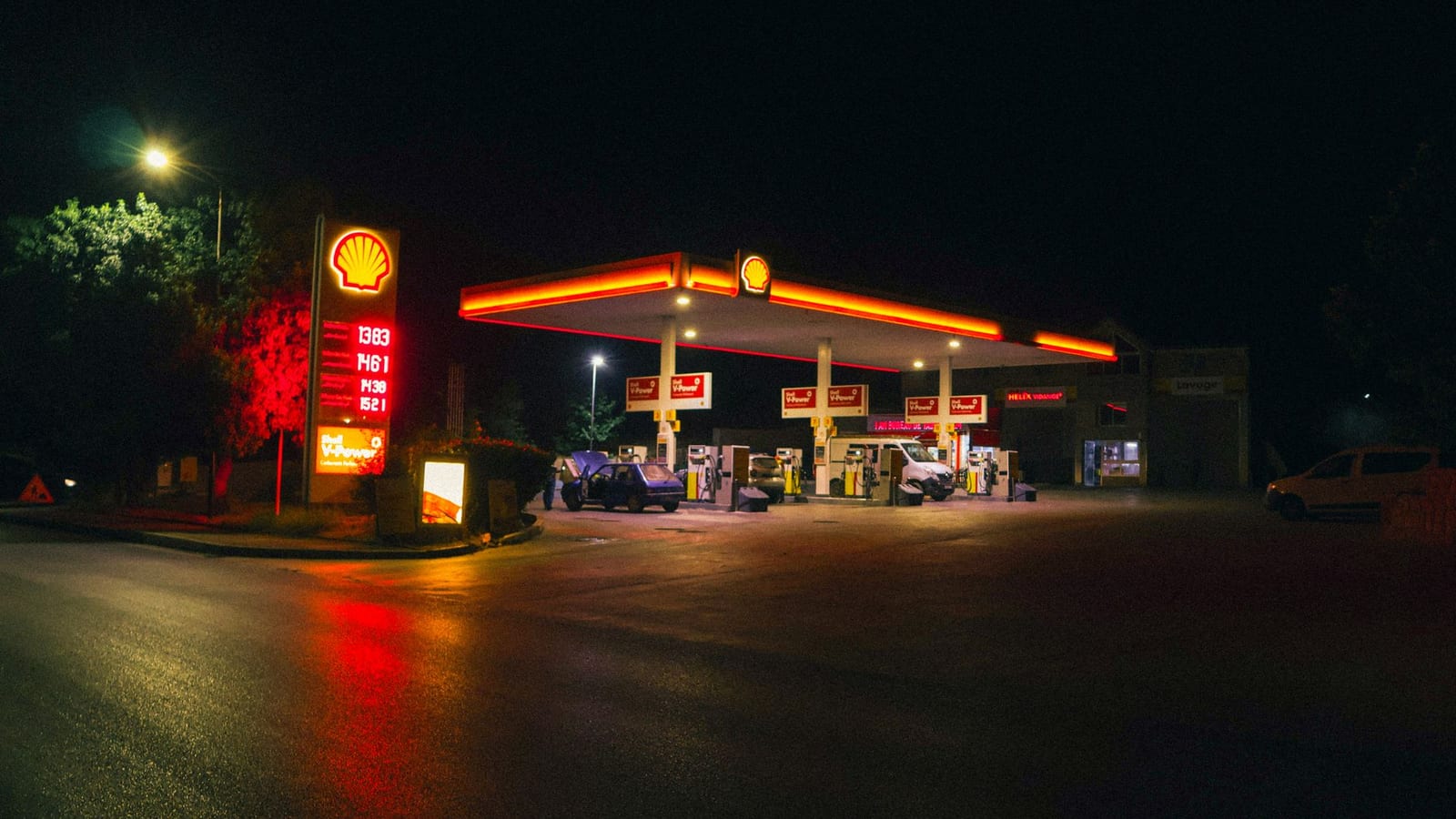
A fuel queue in Russia now tells a story Moscow would rather hide.
For months, the war felt distant to many ordinary Russians, even as missiles hit Ukrainian cities. Now, petrol pumps, refinery fires, and rationing orders are bringing the conflict closer home.
On Monday, Ukraine counted at least ten deaths from Russian strikes. Six people died in Dnipro, three in Zaporizhzhia, and one in Kharkiv, Ukrainian officials said. At the same time, Russia admitted what oil giants rarely like admitting, fuel is running short.
Dnipro strike deepens civilian toll
The deadliest attack on Monday hit Dnipro, where a missile struck a private business in the morning. Oleksandr Hanja, head of the Dnipropetrovsk regional military administration, said six people were killed and 29 injured.
That detail matters. This was not only a military map shifting by a few kilometres. It was a workplace, the kind of place where people arrive with lunch boxes, pending bills, and evening plans.
Zaporizhzhia reported three more deaths. Kharkiv reported one. In Russian-occupied Luhansk, local authorities said one civilian died in a Ukrainian strike.
For Indian readers, this is the grim part of the Ukraine war that no diplomatic statement can soften. The battlefield keeps widening into daily life. Offices, power lines, transport routes, and fuel depots are all now part of the war economy.
Russia feels the fuel pinch
Vladimir Putin has now acknowledged a shortage of fuel inside Russia. He said Ukrainian attacks on oil infrastructure had created problems, though he insisted the shortage was not critical.
Russian regional governors have begun speaking publicly about restrictions. Some areas have seen panic buying, as residents rush to fill tanks before pumps run dry. Social media posts from Russia have shown long lines outside petrol stations.
This is not a small embarrassment for Moscow. Russia is one of the world’s biggest oil producers. Its economy, war machine, and global influence all lean heavily on energy.
Ukraine has targeted refineries, depots, ports, pipelines, and logistics points in recent weeks. The aim looks clear. Kyiv wants to hit not just soldiers at the front, but the supply chain feeding them.
For India, the fuel angle deserves close attention. New Delhi has bought large volumes of discounted Russian oil since the war began. Any lasting disruption in Russian supply, transport, insurance, or exports can feed into global prices.
Indian consumers may not follow every town in Donbas. But they understand petrol, diesel, cooking gas, and freight costs. A refinery strike thousands of kilometres away can still show up in transport bills and inflation pressure.
Donbas remains Moscow’s hard target
Ukraine’s military also claimed it destroyed three bridges in the Donbas region. It said one road bridge was hit near Novoazovsk in Donetsk, while two railway bridges were struck in Luhansk.
The Ukrainian general staff said Russia used these routes to move troops, weapons, ammunition, and supplies. In plain English, bridges decide whether an army gets fed, armed, and reinforced on time.
Volodymyr Zelensky used his nightly message to mock Moscow’s repeated vows to capture all of Donbas. He said Russian leaders kept telling themselves the same dream, while their forces faced heavy resistance.
Donbas has become more than territory. For Russia, it is a political prize. For Ukraine, it is proof that Moscow cannot simply grind its way to victory by throwing men and metal at the front.
That is why attacks on bridges matter. They do not make dramatic television like missile explosions in cities. But they slow wars in ways generals understand very well.
Heat, fire, and wider pressure
Ukraine is also facing a heatwave, with temperatures expected to reach 38 degrees Celsius this week. Power grid incidents have already caused outages in some areas.
The Ukrainian emergency service said firefighters were battling a blaze in the Chernobyl zone. More than 200 people and about 60 specialised vehicles were deployed, officials said.
Radiation levels were being monitored because of the 1986 nuclear disaster. Authorities did not confirm the cause of the fire, but said extreme heat had made the job harder.
This is the part of modern war we often miss. Climate stress does not pause for missiles. Heat makes power systems fragile, fires harder to control, and hospitals more stretched.
Europe is also watching Russia beyond Ukraine. The Dutch defence ministry warned in an annual strategy report that Russia could launch a limited military campaign against a NATO country within a year after any possible end to the Ukraine war.
That warning may sound distant from India. It is not. A wider Russia-NATO crisis would shake energy markets, defence supply chains, shipping routes, and global diplomacy.
Shadow fleets and foreign recruits
France has kept an oil tanker named Deliver immobilised near Marseille. French authorities suspect it belongs to Russia’s shadow fleet, the network of vessels used to move oil around sanctions.
The Marseille prosecutor said the captain’s custody had ended, but the investigation would continue. The ship had come from Primorsk in Russia and sailed under a Cameroonian flag, officials said.
Shadow fleets matter because sanctions rarely work on paper alone. They depend on ships, flags, insurers, ports, and middlemen. Every loophole keeps money moving.
There was also a telling arrest in Zimbabwe. Counter-terror police there said they detained a 36-year-old man accused of recruiting five people for Russia’s army.
Court documents said he was escorting a recruit to a bus station in Harare. Police said the route would take the recruit through South Africa and onward to Russia. A Russian man identified as “Roman” remained at large, police said.
This shows how the war is pulling in poorer countries far from Europe. Men looking for work can become targets for recruiters promising good pay. Some may discover the real job only when escape is difficult.
India should read this carefully. We have already seen Indian families plead for relatives stuck near conflict zones abroad. When wars need bodies, recruiters do not care much about passports.
The war in Ukraine is no longer only about trenches, tanks, and territory. It is about fuel queues, broken bridges, overheated grids, migrant workers, and ships hiding in plain sight. For ordinary Indians, the lesson is simple. A faraway war can still enter our lives through oil prices, student safety, defence choices, and the cost of everyday goods. The map may be European, but the bill is global.