Venezuela hotel collapse hits deportees after US flight
More than 100 Venezuelans deported from the US were caught in a deadly hotel collapse after powerful quakes struck near Caracas.
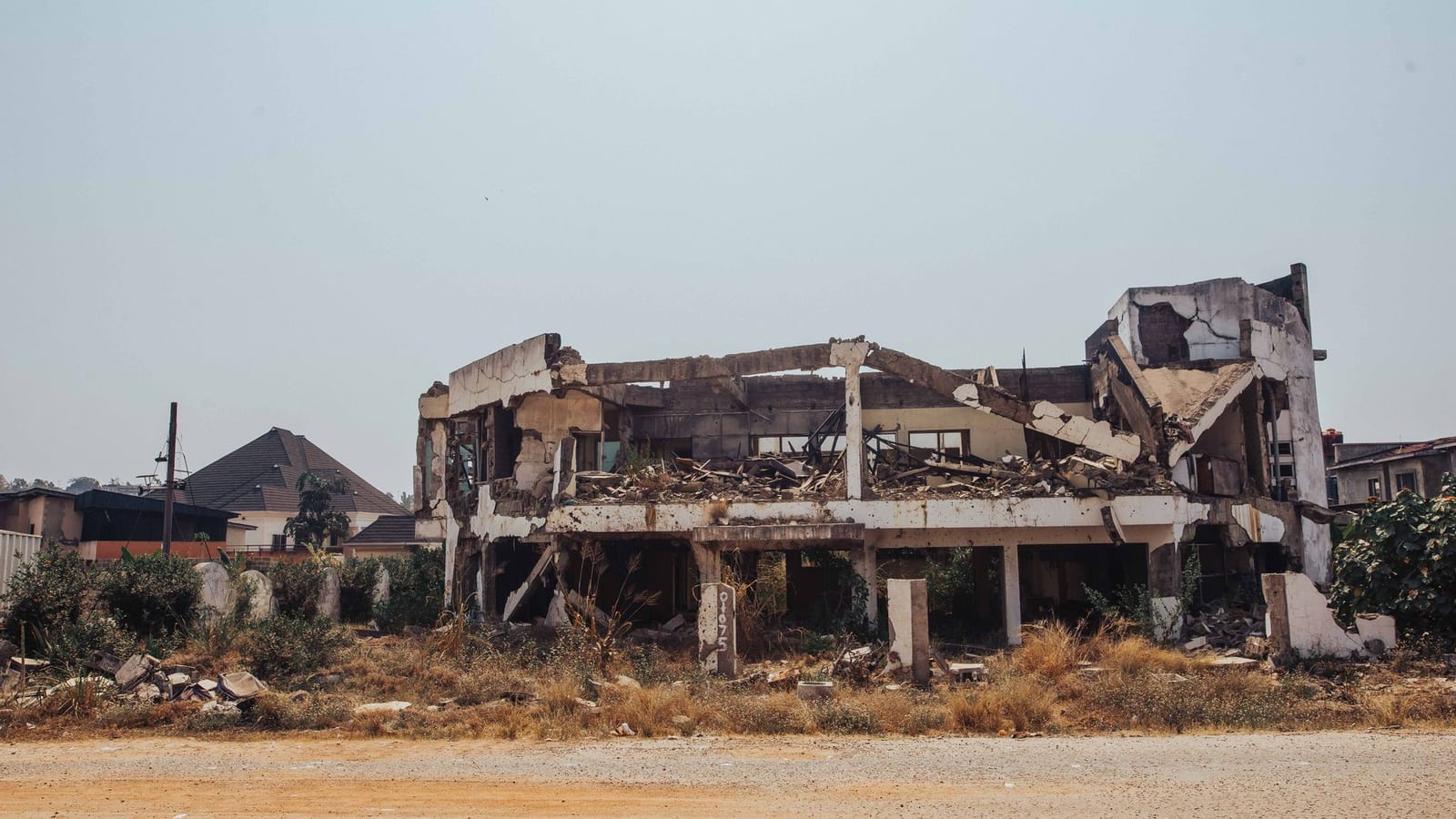
The journey was supposed to end with paperwork, a medical check, and a trip home.
Instead, more than 100 Venezuelans deported from the United States found themselves clawing through concrete after two powerful earthquakes hit Venezuela on Wednesday.
For Indian readers, this is not a normal travel story. It is about flights, hotels, borders, and families waiting by the phone. But it is also about what happens when people already pushed to the edge meet a disaster no one planned for.
A hotel stay turns deadly
A deportation flight from Miami had landed in Caracas only hours earlier. It carried 146 Venezuelans, including 19 women and seven children, according to Human Rights First, whose ICE Flight Monitor tracks such flights.
Venezuelan authorities moved some of the deportees to Hotel Santuario La Llanada in La Guaira. Survivors said officials gave them medical checks and identification papers. They expected to leave for home the next day.
Then the earth moved.
Two quakes, measured at 7.2 and 7.5, struck close together. The Venezuelan government said more than 1,700 people died. La Guaira was among the worst-hit areas.
For anyone who travels, the hotel room is usually the safest place in a strange city. Here, it became the trap.
Survivors walked through rubble
Lisbeth Portillo, 58, said she had been placed in a second-floor room with 16 women. She had stepped out to look at the sea, then returned and lay down.
Moments later, the room started breaking around her.
Portillo said she heard sharp cracking sounds and saw women fall as the building shook. A second quake followed quickly. She ended up trapped under debris, bruised and pinned by a beam.
Then the shaking shifted the rubble enough for her to escape.
That detail is chilling. In many disasters, movement means more danger. For Portillo, it opened a gap.
She said about 20 deportees got out with her. They walked nearly five kilometres through damaged streets until they reached a National Guard building. There, they finally managed to contact relatives.
Portillo later reached her home in Maracaibo. She told her husband in the United States that she had survived. He struggled to believe her. Their children picked her up the next night.
This is where the story stops being only about numbers. A deportation flight, a collapsed hotel, and one working phone line can decide how a family learns whether someone is alive.
Deportation policy meets disaster
Portillo said she crossed the US-Mexico border in November 2021. She also said she had a pending asylum claim.
Her case sits inside a much larger push. ICE Flight Monitor said the US ran 288 deportation flights to 38 countries in May. Those destinations included Burkina Faso, Cambodia, Cameroon, Chile, Ivory Coast, and Venezuela.
Flights to Venezuela had restarted in February 2025 after a 13-month pause. The monitor said the US operated 12 deportation flights to Venezuela in May, with departures three days a week.
That schedule matters. Deportation is not only a legal order. It is also a travel operation.
Planes must fly. Airports must receive people. Buses must move them. Hotels or holding centres must house them. Families must somehow find out where they are.
When everything works, the system still feels harsh for many people. When an earthquake hits, the weak points become painfully visible.
US Immigration and Customs Enforcement did not provide immediate details in the account available. The Venezuelan government posted video showing deportees being received at Caracas airport.
But survivors’ accounts suggest a far messier picture after arrival. People who had just crossed one of the hardest moments of their lives faced another before reaching home.
Families waited without answers
Other deportees described the same terror.
Jenny Rodriguez, 24, said she had been on the Miami flight and was taken to the same hotel. She said debris trapped her after the collapse. Another deportee passed close enough for her to grab his trousers and ask for help.
He helped pull her out.
That is the kind of detail disaster reports often miss. Rescue does not always come first from trained teams. Sometimes it comes from the person who was sitting beside you on a flight hours earlier.
Liliana Rojas said she was trying to find her 33-year-old partner. She said a detention centre in El Paso, Texas, only told her he had been deported.
For families, silence can be its own disaster. They do not know which flight carried someone. They do not know where the person was taken after landing. Then a quake hits, and every missing call becomes terrifying.
Indians know this anxiety well. Families here track late-night train arrivals, Gulf flights, student journeys, and hospital transfers with the same nervous habit. One missed call can set off a storm at home.
Now imagine that same fear across borders, after detention, deportation, and a collapsed hotel.
A harsh lesson for travellers
This story sits on the travel desk for a reason, even if it feels far from holidays and itineraries.
Travel is not always chosen. Migrants, deportees, workers, students, pilgrims, and families all move through the same basic chain. Airports, buses, hotels, border desks, and local officials shape their safety.
The La Guaira collapse shows why temporary accommodation is never a small detail. A hotel used for processing vulnerable people must meet safety standards. Authorities must also keep clear records of who is inside and where they go next.
That matters after quakes, floods, fires, or riots. It matters when phone networks fail. It matters when families are searching from another country.
For Indian travellers, the lesson is practical too. Share your hotel name, room details, and local contact with family. Keep at least one phone number written down. Save embassy contacts offline. These sound like boring steps until the network drops.
For governments, the lesson is bigger. If a state moves people by force, it carries responsibility beyond the runway. The duty does not end when the aircraft door opens.
Portillo said she felt she had been born again that day. Many survivors speak like that after disaster, because normal words feel too small.
The real test now is whether authorities treat this as more than a tragic coincidence. People in transit are often invisible. This quake made them visible in the worst possible way. The next duty is simple: count them properly, find the missing, inform families, and make sure a night in a hotel never becomes the most dangerous leg of the journey.