Dubai Nail Artist Fulla Expands Craft Into Salon
Vietnamese nail artist Nguyen Phuong Anh turned salon work in Dubai into Beauty by Fulla, a Jumeirah Village Circle venture.
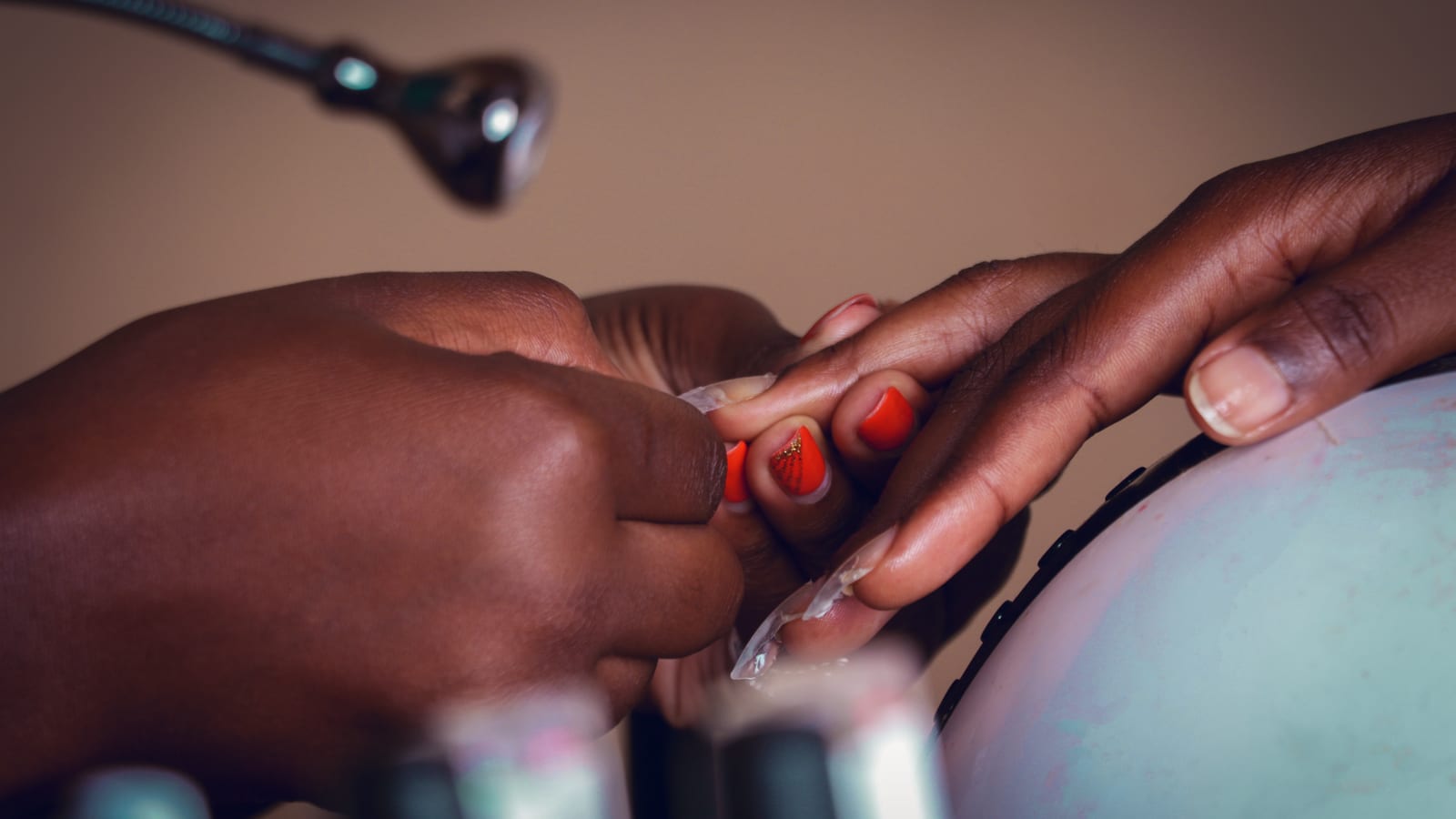
A tiny painted flower on a fingernail can look like a small luxury. For Nguyen Phuong Anh, it became a serious business plan.
The Vietnamese nail artist, known professionally as Fulla, went to Dubai six years ago with a skill and a salary job. Today, she owns Beauty by Fulla, a salon in Jumeirah Village Circle.
Her story says something larger about modern beauty work. In cities like Dubai, and increasingly in Indian metros too, nails have moved from an afterthought to a personal style statement.
From salary work to self-employment
Nguyen began her nail career in Vietnam about 12 years ago. She built a name for intricate work, including 3D designs of flowers and animals.
That detail matters. Nail art is not just polish and patience anymore. The best artists work almost like miniaturists, painting on a surface smaller than a coin.
When Nguyen arrived in Dubai, she first took a regular salon job. Her monthly salary was 3,500 dirhams, which is roughly Rs 80,000.
For many migrant workers, that would look like a decent starting point. But Dubai also runs on personal networks, repeat customers, and high spending on grooming.
After her two-year contract ended, Nguyen chose freelance work. That meant no easy salary date and no fixed off days. It also meant she could keep more of what her skill earned.
The freelance leap paid off
Nguyen’s freelance phase changed her financial life. She has said she earned between 30,000 and 40,000 dirhams a month during that period.
For an Indian reader, that is around Rs 7 lakh to Rs 10 lakh monthly. That is the kind of money usually linked with senior corporate jobs, not beauty services.
But the comparison misses the sweat behind it. Freelancers in grooming work sell time, stamina, and trust. A missed appointment can hurt future bookings.
Nguyen worked without holidays during that stretch. That sentence sounds simple, but anyone in service work knows its weight.
Beauty labour looks glamorous from the outside. Inside, it means bent backs, long hours, demanding customers, and constant pressure to stay neat and cheerful.
Still, Nguyen’s rise shows why skilled hands can now beat formal degrees in some urban markets. Customers pay for visible quality, speed, and personal attention.
This trend has a clear echo in India. Urban clients now book nail extensions before weddings, holidays, birthdays, and even job milestones.
The service sits somewhere between fashion and self-care. It is personal, visible, and social media friendly.
A salon built with restraint
Nguyen has now moved from freelancing to ownership. That is a bigger jump than it looks.
A freelancer sells personal skill. A salon owner must manage rent, products, staff, customer flow, branding, and daily cash.
Nguyen appears to understand that difference well. She has said she puts salon earnings back into the business.
She plans to take a salary only after three months. That is a classic small-business move, though not always an easy one.
Founders often look successful before they feel secure. The shop lights are on, the signboard is up, but cash keeps going back into stock and operations.
In beauty, the upfront costs can sting. Good tools, imported gels, hygiene standards, interiors, and staff training all eat into early profit.
The market also changes quickly. A nail trend that looks fresh in January can look tired by July.
That is why Nguyen’s specialty matters. 3D nail art gives her salon a clear identity, not just another price list.
The quiet money discipline
The most striking part of Nguyen’s story is not only income. It is what she does with the income.
She lives carefully in Dubai, one of the world’s most expensive cities. Earlier, she shared a studio apartment with another woman.
Now she has her own studio. Her food spend is around 1,000 dirhams a month, roughly Rs 23,000.
Her total monthly expense, including rent and food, comes to about 5,000 dirhams. That is around Rs 1.15 lakh.
She also sends about 5,000 dirhams each month for investments in Vietnam. She has already bought two houses there.
That mix feels familiar across migrant stories. People leave home to earn, but they build security back home brick by brick.
For Indian families with relatives in the Gulf, this rhythm is well understood. Rent abroad, assets at home. Sacrifice today, safety tomorrow.
Nguyen has already planned for the next 20 years. She wants to retire at 50.
That is not a vague dream. It is a spreadsheet kind of dream, built on saving, investing, and controlled spending.
What her rise says about beauty
Nguyen’s journey also captures a bigger cultural shift. Beauty services are no longer treated as small indulgences on the side.
They have become serious consumer businesses. The worker behind the chair can become a brand, if the skill is sharp enough.
For women entrepreneurs, especially migrants, this matters. A portable skill can become income in a new country.
It also challenges the old idea that only white-collar work creates upward mobility. In service economies, trust can be capital too.
A good nail artist does not just paint nails. She remembers preferences, repairs bad days, and creates a tiny public signal of taste.
That signal travels through Instagram, WhatsApp groups, wedding circles, and office chatter. One happy client can bring five more.
Dubai’s beauty market rewards this kind of visibility. So do Mumbai, Bengaluru, Hyderabad, and Delhi, where grooming habits keep expanding.
The Indian lesson is clear without being preachy. Small creative skills can become serious businesses when paired with discipline.
Nguyen’s story is not a fairy tale about passion alone. Passion opened the door, but relentless work kept it open.
Her next test will be harder than her last. Running a salon needs systems, people management, and steady quality without her hands doing every job.
But if she gets that right, Beauty by Fulla can become more than a personal success story. It can become proof that modern lifestyle businesses are built at the workbench, not only in boardrooms.
For ordinary readers, the takeaway is simple. The new economy often hides in plain sight, in salons, kitchens, studios, and small shops. Nguyen’s painted nails tell that story neatly: beauty may start as decoration, but in the right hands, it can become a retirement plan.